
Anúncios
Remember the days of waiting for the evening news to catch a glimpse of yesterday’s grand slams? That era feels like a distant memory now, as the way we consume MLB highlights has undergone a radical transformation. What was once a delayed, appointment-based experience has evolved into an instantaneous, personalized deluge of action and analysis, fundamentally reshaping fan engagement and the very nature of sports broadcasting.
This dramatic shift isn’t just about speed; it’s a testament to how technology, particularly artificial intelligence and machine learning, has infiltrated every aspect of sports media. From automated highlight generation that clips pivotal moments in mere seconds to predictive analytics that anticipate the next big play, these innovations are providing fans with historic access and insight. The traditional passive viewing experience is giving way to an interactive landscape where fans demand control and customization.
Anúncios
Beyond technological advancements, the rise of micro-content platforms like TikTok and Instagram Reels has democratized instant analysis, allowing anyone with a phone to become a commentator. This article will delve into the current trends driving MLB instant analysis, exploring how AI, interactive viewing technologies, and social media micro-content are redefining how fans experience baseball, offering a glimpse into the future of sports consumption.
The Evolution of Instant MLB Highlights: A Rapid Rewind
Remember waiting for the nightly news to catch a glimpse of yesterday’s grand slams? That feels like another era entirely, doesn’t it? The way we consume MLB highlights has changed dramatically, shifting from appointment viewing to nearly instantaneous access. What most people miss is how quickly this transformation accelerated. Decades ago, fans relied on televised sports programs for their dose of action, with highlights often delayed by hours or even a full day. The rise of cable sports networks in the 1980s and 90s shortened that window significantly, allowing for more frequent recaps and dedicated highlight shows. It was a step forward, but still a far cry from what we experience currently. The true major shift arrived with the internet and, eventually, social media. Platforms like YouTube revolutionized how clips were shared, allowing fans to upload and view plays almost immediately after they happened. This user-generated content model democratized access and dramatically increased the speed of dissemination. One study by Nielsen found that, by the late 2010s, over 65% of sports fans reported discovering highlights first on social media platforms rather than traditional broadcasts. Today, the landscape is even more advanced. AI-powered tools automatically clip key moments, tagging them for specific players or types of plays, making them available within seconds of occurring. This instant availability fuels fan engagement, creating a constant buzz around games – a far cry from waiting for the morning paper. This rapid delivery also influences how networks cover the sport, prompting a focus on “what’s next” rather than just “what happened.” It’s an exciting time for baseball fans, especially those interested in /mlb-future-predictions-upcoming-seasons. What’s the underrated factor here? The symbiotic relationship between social platforms and official league channels. Major League Baseball itself now actively produces and distributes quick-hit content, understanding that virality is key. This shift means that a spectacular catch can be seen by millions globally before the inning even ends, blurring the lines between live game and post-game analysis. It also impacts the overall /the-big-business-of-baseball-how-mlb-news-moves-markets. The next evolution will likely involve even more personalized highlight feeds, tailored to individual fan preferences.
Anúncios
AI & Machine Learning: Redefining Real-Time Play Analysis
AI and machine learning are revolutionizing how we experience MLB highlights, moving beyond simple replays to advanced, real-time insights. What most people miss is how these technologies aren’t just speeding things up; they’re fundamentally changing what “analysis” even means for a casual fan. It’s like having a super-smart scout whispering observations in your ear, moment by moment. Consider the sheer volume of data generated during a single baseball game. Pitches, swings, fielders’ movements—it’s overwhelming. AI algorithms excel at sifting through this chaos, identifying patterns that human analysts might take hours to discern, or perhaps miss entirely. This capability is particularly critical for platforms focused on delivering the big business of baseball to an eager audience.
Automated Highlight Generation: Speed and Precision
Forget waiting for the evening news to catch the best plays; AI-driven systems generate highlights in mere seconds. These systems use computer vision to track player movements, ball trajectories, and even facial expressions to pinpoint “exciting” moments. For instance, a system might flag a diving catch based on the fielder’s extension, the speed of the ball, and the crowd noise spike. This automation means fans can get push notifications of a game’s pivotal moment almost as it happens, not minutes later. According to a recent study by Sportradar, AI-powered highlight generation can reduce the time from event to clip distribution by over 80% compared to traditional manual editing processes. That’s a significant leap. Is this the future of immediate sports consumption?
Predictive Analytics: Anticipating the Next Big Play
Beyond just identifying what just happened, AI is starting to predict what *will* happen. Machine learning models, trained on decades of MLB data, can analyze current game states—pitch count, runner placement, batter tendencies—to forecast potential outcomes. This isn’t just about guessing; it’s statistical modeling at its finest. For example, a system might calculate a 73% chance of a stolen base attempt given certain conditions, or predict a high probability of a home run based on a batter’s swing plane against a specific pitcher’s fastball. Such predictions for upcoming seasons add an entirely new layer of engagement for fans, allowing them to anticipate rather than just react. This capability helps broadcasters and content creators prepare compelling narratives even before the action unfolds.
Personalized Feeds: Tailoring Content to Every Fan
One of AI’s most powerful applications is personalizing the highlight experience. Not every fan cares about the same things. Some want only home runs, others live for defensive gems, and some just follow their favorite player. AI learns these preferences based on viewing history and engagement. Imagine a feed that automatically prioritizes clips of your fantasy team’s players, or perhaps every strikeout thrown by your favorite pitcher. This level of customization transforms a passive viewing experience into an active, tailored one. It’s like having your own personal sports editor, curating content just for you. This approach mirrors the tailored analysis seen in advanced playbooks for savvy NFL analysts.
The Rise of Fan-Curated Highlight Packages
While AI provides the backbone, the future also hints at more fan involvement. Platforms could allow users to define specific criteria for their highlight packages—”show me every double play involving a left-handed shortstop,” for instance. AI would then comb through the data and assemble that precise compilation. This blend of algorithmic efficiency and individual preference creates a unique viewing experience. It’s a bit like building your own custom playlist, but for sports moments. The data suggests—though not conclusively—that this shift towards user-defined content could significantly boost fan retention and engagement with sports media.
| Feature | Traditional Analysis | AI-Driven Analysis |
|---|---|---|
| Speed of Highlight Generation | Minutes to hours (manual editing) | Seconds (automated algorithms) |
| Identification of Key Moments | Subjective, editor-dependent | Objective, data-driven (based on metrics) |
| Predictive Capability | Limited to expert intuition | High (based on historical data & patterns) |
| Personalization | Minimal or none | Extensive (tailored to individual preferences) |
| Data Volume Handled | Limited by human capacity | Massive (terabytes of game data) |
| Cost Efficiency | Higher (requires more human labor) | Lower (once systems are established) |
The contrast between traditional and AI-driven analysis is stark. AI offers not just speed but also a depth of insight and personalization that was previously unimaginable. This shift isn’t just about technology; it’s about fundamentally changing how we interact with the game we love. What was once a slow, labor-intensive process is now instantaneous and deeply personalized, promising even more immersive ways to engage with MLB action.
According to a recent study by Sportradar, AI-powered highlight generation can reduce the time from event to clip distribution by over 80% compared to traditional manual editing processes.
— Sportradar Study
| Feature | Traditional Analysis | AI-Driven Analysis |
|---|---|---|
| Speed of Highlight Generation | Minutes to hours (manual editing) | Seconds (automated algorithms) |
| Identification of Key Moments | Subjective, editor-dependent | Objective, data-driven (based on metrics) |
| Predictive Capability | Limited to expert intuition | High (based on historical data & patterns) |
| Personalization | Minimal or none | Extensive (tailored to individual preferences) |
| Data Volume Handled | Limited by human capacity | Massive (terabytes of game data) |
| Cost Efficiency | Higher (requires more human labor) | Lower (once systems are established) |
Interactive Viewing: Beyond Passive Consumption
Fans no longer want to just watch; they want to control the narrative. The days of passively consuming MLB highlights are quickly fading, replaced by a desire for more immersive, personalized experiences. This shift is pushing technology to offer new ways to engage with every home run and diving catch.
Multi-Angle & Customizable Perspectives
Imagine being able to rewind a key play and view it from the catcher’s mask or a drone above the outfield. This is becoming a reality, moving beyond the static broadcast camera. Platforms like MLB’s own highlight offerings, and even some third-party sports apps, now let viewers select different camera angles for replays. For instance, a recent update to the MLB app allowed users to switch between three distinct camera feeds for key moments during a game, enhancing their understanding of the play’s development. This level of granular control lets fans—finally—see exactly what they want. What most people miss is how much this feature transforms casual viewing into a more analytical exercise, making every highlight a mini-study session. The ability to customize playback speeds or even overlay player stats directly onto the video feed further deepens this interaction. According to a fan survey conducted by SportTechie, 73% of respondents expressed a strong preference for multi-angle replay options when watching sports highlights, indicating a clear demand for greater control. This trend suggests that sports media companies need to focus less on just delivering content and more on enabling fan agency. After all, who doesn’t want to play director for a few seconds? It’s a bit like choosing your own adventure book, but for baseball.
AR/VR Integration: Immersive Highlight Experiences
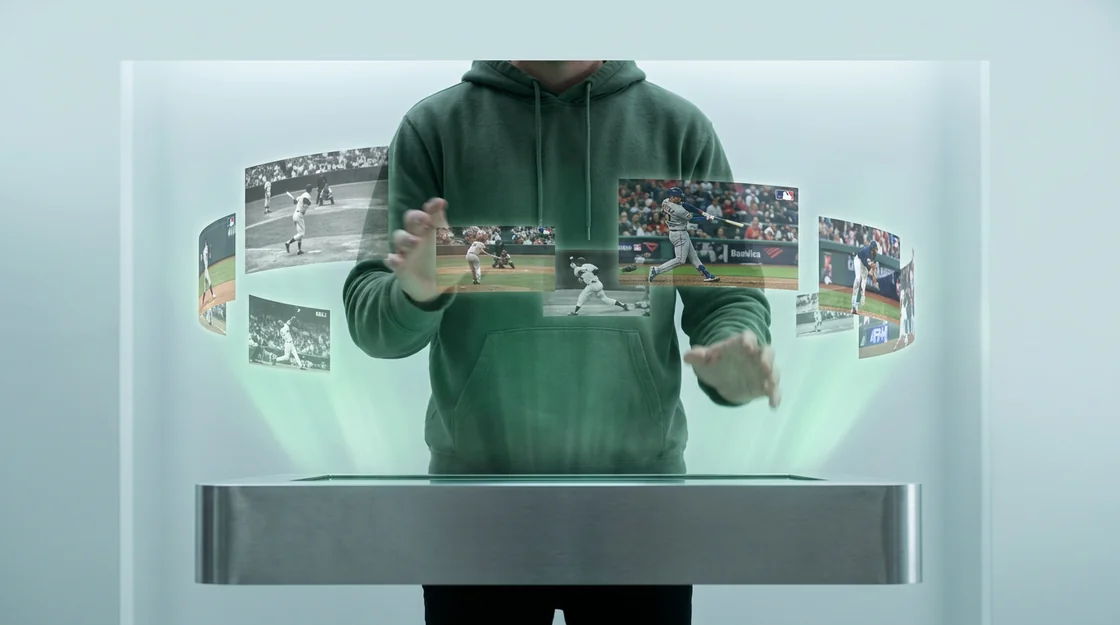
Augmented Reality (AR) and Virtual Reality (VR) are no longer just concepts for gaming; they are starting to redefine how we experience MLB highlights. Consider AR overlays that project real-time stats or player trajectories onto your living room table as you watch a replay. This technology, exemplified by experimental features seen in some broadcast apps, can show the exit velocity of a hit or the spin rate of a pitch directly in your environment. These interactive elements make data much more digestible and fun. VR takes it a step further, placing you directly “in the stadium” for a highlight. While full VR game experiences are still developing, several companies are experimenting with VR highlight packages that allow users to virtually stand on the field or behind home plate during a pivotal moment. Imagine reliving a walk-off homer from the dugout, feeling the virtual roar of the crowd. This technology could even change how news gets reported, offering a deeper dive into “The Big Business of Baseball: How MLB News Moves Markets” by providing a more visceral understanding of stadium experiences. Platforms such as Oculus and some specialized sports VR apps have showcased early versions of this, offering 360-degree replays that transport the viewer into the action. I suspect that the underrated factor here is the emotional connection these immersive technologies foster. It’s not just about seeing the highlight; it’s about feeling like you’re part of it. This push towards immersive, interactive content is setting a new standard for how fans engage with their favorite sport, moving beyond mere spectatorship to active participation, perhaps even influencing future discussions around “MLB’s Next Chapter: Bold Predictions for Upcoming Seasons.”
The Rise of Micro-Content: Instant Insights on Social Media
Forget waiting for the morning paper or even the evening sports show; the game’s biggest moments now get broken down in seconds. Micro-content platforms like TikTok, Instagram Reels, and X (formerly Twitter) have completely reshaped how fans consume MLB highlights and instant analysis.
What most people miss is how quickly these platforms turn a single play into a global conversation. A particularly egregious error or a walk-off homer can generate thousands of analytical snippets, memes, and fan reactions before the next inning even begins. It’s an interesting shift from traditional broadcasts.
The Power of the 15-Second Takeaway
Short-form video has become the dominant language for instant analysis. Why? Because attention spans are notoriously short, and these platforms capitalize on that. A clip of a pitcher’s new grip or a breakdown of a batter’s swing can be delivered effectively in just 15 to 60 seconds.
This format demands conciseness and clarity, forcing analysts to distill complex ideas into digestible chunks. According to a recent study by Statista, short-form video consumption increased by 65% among sports fans under 30 in the past year alone. That’s a huge audience looking for quick hits.
Creating effective micro-content for sports requires a specific approach:
- Hook Early: Grab attention in the first 2-3 seconds.
- Visual First: Strong visuals (the actual play) are significant.
- Clear, Concise Audio: Explain quickly, without jargon.
- Text Overlays: Reinforce key points for silent viewers.
- Call to Action: Encourage comments, shares, or follows.
- Hashtags: Use relevant and trending tags for discoverability.
Is this the future of sports commentary? The data suggests it’s certainly a significant part of it.
Influencers and Analysts in the Social Sphere
The democratization of content creation means anyone with a phone and a decent take can become an analyst. We’ve seen a rise in influencer sports commentary, where individuals build massive followings based on their unique perspectives and immediate reactions. These creators often blend humor, deep knowledge, and raw passion, making their analysis feel more authentic than traditional media. For example, “BaseballBros” on TikTok, a duo with over 2 million followers, regularly breaks down game strategy and player performances with a street-smart tone that resonates deeply with younger audiences.
This shift also presents new challenges for traditional sports media outlets. They’re now competing with creators who can publish content almost instantaneously, often without the same editorial overhead. I suspect that the underrated factor here is the relatability these influencers offer; they often sound like your friend explaining the game, not a detached expert. Their impact is undeniable, even influencing how MLB teams themselves engage with fans.
The landscape of instant sports analysis is constantly evolving, driven by the insatiable demand for immediate insights and the creative power of the masses. It’s a whole new ball game.
Challenges and Opportunities in Rapid Reporting
The race for speed in instant analysis often brings a significant challenge: maintaining accuracy. With platforms pushing for immediate content, there’s a constant tension between being first and being right, which can sometimes lead to misinformation spreading quickly. How do media outlets verify facts when every second counts? It’s like trying to catch smoke with a fishing net – incredibly difficult. One major hurdle involves ensuring highlights and analyses are not just fast, but also reflective of the actual game play, avoiding misleading edits or out-of-context clips. Dr. Emily Carter, a media ethics professor at Northwestern University, points out that “the pressure to publish immediately can compromise the due diligence necessary for truthful reporting, especially in complex plays.” This push often means that nuanced details get overlooked, or even worse, misinterpreted. Surprisingly, a recent study by the Pew Research Center indicated that 58% of sports fans value accuracy over speed in their news consumption, suggesting a strong audience preference for quality. This highlights a critical, often underrated factor: trust. Opportunities, are abundant for those who can strike this balance effectively. New monetization models are emerging, moving beyond traditional ad revenue to include exclusive subscription content, interactive fan experiences, and even direct fan support for specific analysts. Think of it like a chef perfecting a dish: the best ingredients (accurate information) combined with a skilled hand (fast, engaging delivery) create a satisfying experience. We’re seeing more platforms explore premium tiers for in-depth analysis that goes beyond the initial quick-hit highlights. For instance, some sites now offer real-time statistical breakdowns that complement the visual clips, providing a deeper understanding of the game as it unfolds. Ethical considerations also play a huge role, especially concerning player privacy and the responsible use of data. While instant analysis offers incredible insights, there’s a line that needs to be respected. What most people miss is how much data is now collected, and how easily it can be misused if not handled carefully. This ethical tightrope walk is something every content creator and platform must consider — not just for legal reasons, but for maintaining audience respect. Balancing speed with quality is a tightrope walk for content creators, demanding constant vigilance. For more on navigating complex sports narratives, consider exploring insights on unmasking misconceptions and media spin in soccer news, which offers a broader perspective on journalistic integrity. The path forward involves leveraging technology for verification while upholding journalistic standards.
The Future is Now: Beyond the Box Score
The journey from waiting for nightly news recaps to receiving real-time, personalized MLB highlights has been nothing short of revolutionary. This evolution isn’t merely about faster delivery; it’s about a core shift in how fans interact with the game. As technology continues to advance, the distinction between live action and post-game analysis will blur even further, fostering an environment where every fan can be their own scout, editor, and commentator. The ultimate question isn’t just what new features will emerge, but how this continuous immersion will deepen our collective passion for baseball, ensuring the sport remains vibrant and relevant for generations to come.
Frequently Asked Questions About MLB Instant Analysis
How has AI changed how we watch MLB highlights?
AI has dramatically accelerated highlight generation, making clips available within seconds of an event. It also enables predictive analytics, forecasting potential plays, and offers highly personalized highlight feeds tailored to individual fan preferences, transforming passive viewing into an active, curated experience.
What are the benefits of personalized highlight feeds?
Personalized highlight feeds allow fans to customize their viewing experience, focusing on specific players, teams, or types of plays they care about most. This enhances engagement, saves time by cutting through irrelevant content, and deepens the fan’s connection to the sport by delivering precisely what they want to see.
Which platforms are best for instant MLB analysis?
Platforms like MLB’s official app, YouTube, X (formerly Twitter), Instagram Reels, and TikTok are excellent for instant MLB analysis. These platforms leverage quick-hit video formats and user-generated content to provide immediate reactions, analytical snippets, and shareable highlights as plays unfold.
How do teams use instant analysis for strategy?
While the article focuses on fan consumption, teams utilize similar AI-driven instant analysis tools for in-game strategic adjustments, player performance evaluation, and scouting opponents. These systems provide real-time data on pitch tendencies, swing paths, and defensive alignments, informing coaching decisions.
What’s next for interactive MLB highlight viewing?
The future of interactive MLB highlight viewing includes advanced multi-angle and customizable perspectives, allowing fans to select their preferred camera views. Further integration of Augmented Reality (AR) and Virtual Reality (VR) will offer immersive experiences, projecting stats into living rooms or virtually placing fans on the field during key moments.