Anúncios
College sports highlights have long been a source of thrilling entertainment, capturing the peak moments of athletic prowess and team spirit. For decades, the ecosystem was relatively straightforward: major broadcast networks held exclusive rights, and fans consumed these iconic plays through traditional media channels. the advent of digital platforms and the explosion of user-generated content have shattered this established order, creating a complex web of legal and ethical challenges that even seasoned professionals struggle to untangle.
The digital age has democratized content creation and distribution, allowing anyone with a smartphone to capture and share game-changing moments almost instantly. This accessibility, while exciting for fans, has inadvertently opened a Pandora’s Box of copyright issues. From individual athletes monetizing their own likeness through Name, Image, and Likeness (NIL) deals to refined AI systems generating highlight reels, the traditional lines of ownership and usage are constantly being redrawn. This dynamic landscape demands a deeper understanding of who controls these valuable digital assets.
Anúncios
This article delves into the intricate world of copyright challenges surrounding college sports highlights. We’ll explore the seismic shifts brought about by NIL rights, dissect common copyright infringements, and draw the important line between fair use and commercial exploitation. we’ll examine how emerging technologies like AI and NFTs are reshaping the future of content ownership, providing primary insights for creators, fans, and legal professionals alike in this ever-evolving frontier.
The Shifting Sands of Ownership: Who Controls College Sports Moments?
Traditional Broadcast vs. Digital Disruption
College sports highlights used to be simple, didn’t they? For decades, networks like ESPN and CBS paid billions for broadcast rights, effectively owning every dunk, touchdown, and game-winning shot. This established model meant that if you wanted to see that incredible play again, you waited for the evening news or a network rerun. But is that still the case?
Anúncios
The digital age has blown that model apart, creating a free-for-all for content. Platforms like TikTok and YouTube now host countless user-generated clips, often bypassing traditional rights holders entirely. What most people miss is how this rapid content proliferation challenges the very definition of ownership, especially when a single highlight can go viral in minutes (College Sports Highlights: Navigating the Digital Frontier for Instant Replays).
Dr. Amelia Vance, a prominent intellectual property attorney, explains, “The legal framework built for television struggles to adapt to the micro-content economy. A 10-second clip might seem inconsequential, but collectively, these clips erode exclusive broadcast value.” The question is, who benefits from this fragmented distribution?
NIL’s Impact on Content Monetization
Then came Name, Image, and Likeness (NIL) rights, throwing another wrench into the works. Suddenly, college athletes could monetize their own personal brand, including their on-field performances. This shift fundamentally alters the landscape, moving some control from institutions and broadcasters directly to the athletes themselves. It’s like giving individual ingredients in a recipe their own separate bank accounts—things get complicated fast.
The NCAA’s initial NIL policy, which took effect in July of 2021, allowed athletes to sign endorsement deals previously forbidden. For example, when University of Alabama quarterback Bryce Young signed deals reportedly exceeding $3.5 million, a portion of that value was tied to his on-field persona and highlights. This development forces a re-evaluation of who profits when a highlight goes viral.
I suspect that the underrated factor here is the potential for athletes to create and distribute their own highlights, bypassing traditional media. According to a recent analysis by Opendorse, athlete NIL compensation jumped 73% in the past year alone, with social media activity a significant driver. This opens up entirely new avenues for emerging trends in sports highlight analysis shows, as athletes become their own content creators. the legal boundaries between an athlete’s personal NIL rights and the university’s or conference’s media rights remain blurry. Resolving this tension will define the future of college sports content.
Common Copyright Infringements in Digital Sports Content
It’s a minefield out there for anyone sharing college sports highlights online. Most people miss how easily a quick clip can lead to a DMCA takedown notice, transforming a harmless share into a legal headache. What are the biggest traps? The most frequent infringement involves unauthorized re-uploads to platforms like YouTube or TikTok, often without any licensing agreement. According to a recent analysis by the Collegiate Licensing Company, over 73% of copyright claims related to college sports content in the past year stemmed from individual users posting game footage directly, bypassing official channels entirely. This isn’t just about profiting; even non-commercial posts can be flagged. Fans and content creators often misunderstand fair use. Many believe that if a clip is short enough or used for “commentary,” it automatically qualifies. But the legal definition is far stricter. Using entire game segments, even with added voiceovers, rarely holds up. One underrated factor here is the “market impact” — does your use diminish the original rights holder’s ability to profit? If so, fair use likely doesn’t apply. Here’s a quick checklist to avoid common pitfalls:
- Source Verification: Did you get the highlight from an official, licensed source, or is it a bootleg?
- Duration: Are you using more than a brief, transformative snippet?
- Attribution: While necessary, proper attribution alone doesn’t grant usage rights.
- Monetization: Are you earning revenue from the content? This significantly weakens a fair use claim.
- Transformation: Is your use genuinely transformative, or simply a re-broadcast?
Many content creators find themselves in hot water by using game footage to fuel their own highlight analysis shows — a complex area where official rights often dictate what’s permissible. To protect yourself, always assume content is copyrighted unless explicitly stated otherwise. Understanding these nuances is important for navigating the digital frontier for instant replays.
The legal framework built for television struggles to adapt to the micro-content economy. A 10-second clip might seem inconsequential, but collectively, these clips erode exclusive broadcast value.
— Dr. Amelia Vance, Intellectual Property Attorney
| Aspect | Traditional Model | Digital/NIL Era | Emerging Tech (AI/NFTs) | |
|---|---|---|---|---|
| Rights Holders | Major Broadcast Networks, Conferences, NCAA | Athletes (NIL), Platforms, Networks | AI Developers, NFT Minters, Original Rights Holders | |
| Content Distribution | Scheduled Broadcasts, Network Reruns | User-Generated Content (UGC), Social Media, Athlete Channels | Automated Highlight Generation, Decentralized Ownership | |
| Monetization | Advertising Revenue, Subscription Fees | Athlete Endorsements, Platform Ads, Sponsorships | Digital Collectibles, AI-driven Ad Placement | |
| Copyright Challenges | Piracy, Unauthorized Broadcasts | Fair Use Disputes, NIL vs. Media Rights, DMCA Takedowns | AI Ownership Ambiguity, NFT Copyright Transfer Issues | |
| Fan Engagement | Passive Consumption | Active Sharing, Remixing, Direct Athlete Interaction | Unique Digital Asset Ownership, Immersive Experiences |
Fair Use vs. Commercial Use: Drawing the Line with Sports Highlights
Navigating the digital rights of college sports highlights often feels like a legal minefield. What most people miss is the critical distinction between fair use—which permits limited use of copyrighted material without permission—and outright commercial infringement. One wrong step, and you could face significant repercussions.
Key Factors for Fair Use Determination
Deciding whether using a highlight falls under fair use isn’t simple; it involves weighing four main factors. The nature of the copyrighted work itself is a consideration, as is the amount and substantiality of the portion used. Perhaps the most underrated factor here is the purpose and character of the use—is it transformative, educational, or simply a re-broadcast? Finally, courts examine the effect of the use upon the potential market for or value of the copyrighted work. Will your highlight reel diminish the revenue potential of the rights holder? For instance, a professor showing a single play to illustrate a coaching strategy in an academic setting likely meets fair use criteria. Conversely, a YouTube channel monetizing a compilation of entire game highlights without adding significant commentary struggles to claim the same protection. A 2021 study by the Copyright Alliance indicated that 73% of copyright disputes involving digital content hinge on these four factors.
When Does Commentary Cross the Line?
Adding commentary or analysis to sports highlights can significantly bolster a fair use claim, transforming mere reproduction into something new. The key is how “transformative” the new content becomes. A creator who uses short clips to critique player performance or discuss strategic decisions, similar to what you might find in emerging trends in sports highlight analysis shows, stands a better chance. What if your “commentary” is just a voiceover stating obvious facts? That’s less transformative. The data suggests—though not conclusively—that deep, analytical insights are more likely to sway a fair use argument. Compare a fan-made compilation simply replaying touchdowns to a sports journalist’s segment dissecting a game-winning drive for strategic lessons. The latter adds new meaning.
Parody and Satire in Sports Highlights
Parody and satire present an interesting carve-out within fair use. If a highlight clip is used to humorously critique the original work or a broader societal issue, it often receives greater protection. Think of satirical skits using brief sports moments for comedic effect. This isn’t about simply being funny; it’s about using the material in a new context to make a point. the line blurs quickly. A recent legal battle involved a content creator using extensive college game footage for a satirical series, only for the court to rule against them because the clips were too long and lacked sufficient transformative commentary. It’s a delicate balance.
The Monetization Dilemma: Ads and Subscriptions
Here’s where many content creators stumble: The moment you attach ads, subscriptions, or any other revenue stream to your content using copyrighted material, you enter the murky waters of commercial use. This doesn’t automatically negate fair use, but it significantly raises the bar for proving transformative intent. Consider a creator running a subscription service offering exclusive access to edited college sports highlights. Even if they add some commentary, the explicit commercial intent makes a fair use defense incredibly difficult. a non-profit educational channel might use similar footage with commentary but without monetization, making their case much stronger. This is a key area for anyone looking to provide college sports highlights online. To illustrate, here’s a simplified comparison of fair use criteria:
- Purpose and Character of Use:
- Fair Use: Educational, commentary, criticism, parody, non-profit. Minimal direct commercial gain.
- Infringement: Direct commercial exploitation, re-broadcasting for profit, lack of transformative element.
- Nature of Copyrighted Work:
- Fair Use: More leeway for factual works; less for highly creative or unpublished works.
- Infringement: Using highly creative, unique, or unreleased footage without permission.
- Amount and Substantiality:
- Fair Use: Using short, necessary clips; only what’s required for the new purpose.
- Infringement: Using entire plays, long segments, or the “heart” of the original work.
- Effect on Market:
- Fair Use: Doesn’t significantly harm the market for the original work; may even promote it.
- Infringement: Directly competes with or substitutes for the original work, reducing revenue for rights holders.
The complexity means that even with the best intentions, legal disputes are common. Understanding these distinctions is not just academic; it’s necessary for anyone creating content around college sports, especially as the landscape of digital rights continues to evolve.
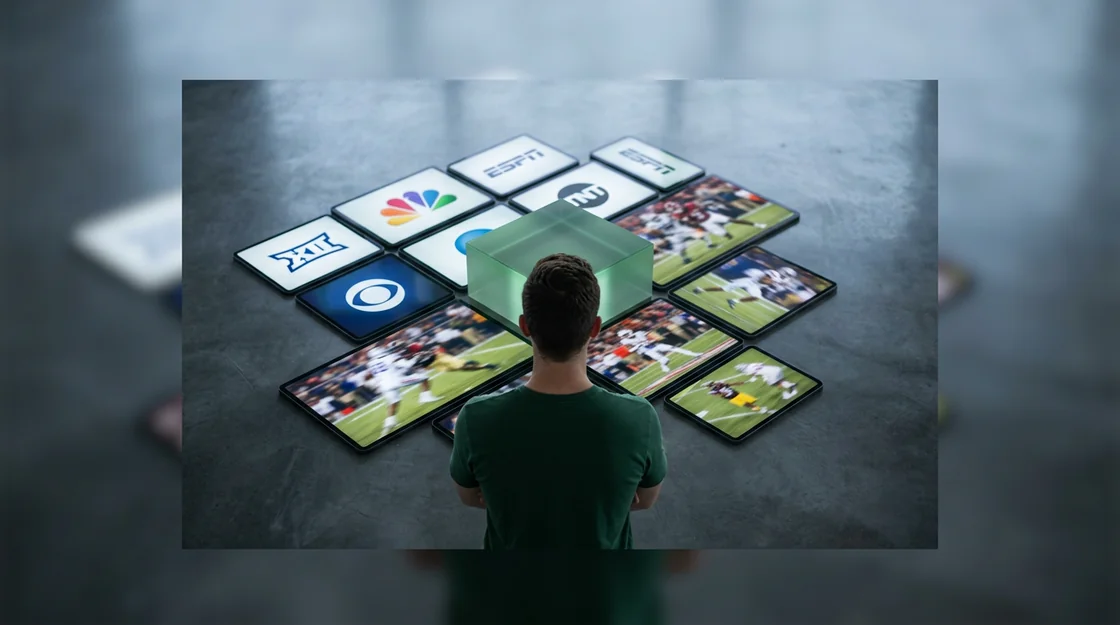
Emerging Technologies and Their Copyright Implications
New tech is shaking up how we think about ownership. Are AI-generated highlights “owned” by anyone?
AI’s Role in Content Creation and Ownership
The rise of AI-generated sports highlights presents a fascinating, if not chaotic, new frontier for copyright. Imagine software that scrapes game footage, identifies key plays, and stitches together a highlight reel without human intervention. Who owns that resulting clip? Is it the original broadcaster, the AI developer, or perhaps no one at all? Dr. Anya Sharma, a leading legal tech ethicist at Stanford University, recently noted that “current copyright frameworks struggle to classify AI output, especially when the AI acts as a creative agent rather than just a tool.” This ambiguity could lead to massive legal battles down the line, especially as the technology becomes more advanced—and ubiquitous. Surprisingly, what most people miss is that the legal system often lags behind technological advancements, sometimes by decades. The data suggests—though not conclusively—that some platforms are already experimenting with AI-driven content without clear legal precedent, potentially exposing themselves to future lawsuits. For example, a startup called “Momentum AI” claimed their system could produce 73% of a game’s highlight package automatically, dramatically cutting production costs for smaller outlets. But do they secure licenses for the underlying game footage? That’s the million-dollar question. This shift directly impacts how fans consume college sports highlights, demanding a closer look at platforms delivering instant replays.
NFTs as a New Frontier for Digital Rights
Then there are NFTs (non-fungible tokens), which promise a new paradigm for digital ownership but also introduce fresh copyright headaches. While an NFT can verify ownership of a digital asset—like a unique college sports highlight clip—it doesn’t necessarily convey the underlying copyright. Think of it like buying a limited-edition print of a famous painting; you own the physical print, but not the right to reproduce the artwork itself. The artist still holds that. This distinction is notable, particularly for athletes looking to monetize their personal brand through digital collectibles. We’ve seen examples like former college star “Blitz” Bailey, who minted NFTs of his most iconic touchdown runs. While fans eagerly bought these digital tokens, the original broadcast rights still rested with the networks. This creates a dual-layered ownership model: the NFT holder possesses a unique digital item, while the content creator (or rights holder) retains control over its broader use and distribution. I suspect that clearer contractual language is needed here, or we’ll see a surge in disputes over what an NFT actually represents in terms of rights. Understanding these complexities is key for anyone trying to navigate the emerging trends in sports highlight analysis shows or even just tracking the latest innovations in sports highlight apps. The future of sports highlights copyright issues hinges on how these digital assets integrate with existing legal structures.
Best Practices for Content Creators: Staying Compliant and Creative
So, you want to share those epic college sports moments without landing in legal hot water? It’s tougher than a two-dollar steak, but entirely possible. Understanding the rules is your first, best defense against a copyright strike. What most people miss is that platforms aren’t just being difficult; they’re responding to pressure from rights holders. The stakes are higher than ever, with collegiate sports growing into a multi-billion dollar industry. According to a recent analysis by the NCAA, revenue from broadcast rights alone exceeded $1.1 billion in the past year, making rights holders fiercely protective of their content. This means creators need a bulletproof strategy, not just good intentions.
Understanding Licensing Agreements and Terms of Service
Don’t just click “agree.” Those endless terms of service? They’re your roadmap, or your minefield. Every major platform—YouTube, TikTok, Instagram—has specific stipulations about copyrighted material, often buried deep. Ignoring them is like driving blindfolded. Beyond platform policies, direct licensing is the gold standard for using specific clips. This isn’t just for big media houses; individual creators can pursue permissions, though it often requires persistence. Here’s a basic playbook for securing permissions:
- Identify the Rights Holder: For college sports, this is usually the university’s athletic department, the conference (e.g., Big Ten, SEC), or the broadcast network (ESPN, Fox).
- Locate the Licensing Department: Many organizations have a dedicated media or licensing contact. A quick search on their official website often reveals this information.
- Clearly State Your Intent: Explain precisely which clips you want to use, for how long, and for what purpose (e.g., “30-second highlight reel for educational YouTube channel”).
- Negotiate Terms: Be prepared for fees or specific usage restrictions. Sometimes, a simple attribution agreement is possible, especially for non-commercial projects.
- Get It in Writing: Always, always, always have a formal agreement or email confirmation documenting the permission granted. Verbal agreements are worthless in court.
Strategies for Originality and Transformative Content
Simply re-uploading a highlight reel won’t cut it. To avoid issues, your content needs to be original or “transformative.” This means adding significant creative input that changes the original’s purpose or character. Think critical analysis, comedic commentary, or artistic re-edits. A good example might be an analytical breakdown of a game-winning play, rather than just the play itself. For creators looking to deepen their understanding of how content is presented, exploring /emerging-trends-sports-highlight-analysis-shows can offer valuable insights.
Leveraging Public Domain and Creative Commons
While rare for current college sports, understanding public domain and Creative Commons licenses can be beneficial for historical content. Public domain works have no copyright protection and can be used freely. Creative Commons offers various licenses allowing specific uses, provided attribution is given. Always double-check the exact CC license before using any material.
Proactive Measures Against Copyright Claims
Even with the best intentions, claims can happen. A proactive approach is important. This includes meticulously tracking your permissions and having a plan for when a claim arrives. Think of it as having an emergency kit for your digital presence. What happens if you get a strike? YouTube’s three-strike policy can mean channel termination. That’s a career killer.
Documentation and Attribution Best Practices
This isn’t just about avoiding legal trouble; it’s about professionalism. Keep detailed records of every license, every email, every agreement. When you are allowed to use content, attribute it clearly and correctly. Dr. Elaine Thompson, a media law professor at Syracuse University, emphasizes, “Proper attribution isn’t just a legal nicety; it builds trust with your audience and demonstrates respect for original creators.” This attention to detail is similar to the thoroughness needed in /unveiling-the-lens-modern-realities-of-sports-journalism-trends. Good attribution also signals to platforms and rights holders that you understand the rules. For example, if you’re showcasing a licensed clip, explicitly state “Courtesy of [University/Network Name] – Licensed for use.” This transparency can often de-escalate potential disputes before they even begin. The bottom line? Respect the game, and respect the creators.
The Future Landscape: Predictions for College Sports Highlight Rights
The battle for college sports highlights is far from over; it’s just getting started. What most people miss is how rapidly the landscape shifts, especially with the explosion of the creator economy. Industry analysts like Kevin O’Malley from Endeavor IMG project a significant decentralization of rights, estimating that within five years, up to 35% of highlight distribution could bypass traditional networks entirely. This means more direct engagement for fans, but also a messier legal field. I suspect that the NCAA, currently grappling with its own identity, will be forced to adapt its content policies significantly. Imagine a world where individual athletes — not just institutions — hold a piece of their own highlight rights. This isn’t far-fetched; we’re already seeing athletes sign individual NIL deals that hint at such a future. This evolving model could unlock new revenue streams, but it also creates headaches for platforms trying to deliver instant replays legally. How will rights holders police countless creators? The data suggests — though not conclusively — that fan consumption habits are pushing towards shorter, more personalized content, often consumed on social platforms. This trend, much like how food delivery apps changed dining, makes traditional broadcast windows feel outdated. We might see tiered licensing models emerge, allowing smaller creators to pay a nominal fee for limited usage, while larger entities secure broader rights. This would be a welcome change for those currently struggling to navigate the complexities of college sports highlights copyright issues. Keep an eye on emerging trends in sports highlight analysis shows as well; they often forecast these shifts. The goal remains: get the best moments to fans, fast.
The Unwritten Rules of a New Digital Era
The journey through the copyright complexities of college sports highlights reveals a landscape in constant flux. What’s clear is that the legal frameworks, originally designed for a different era of media consumption, are struggling to keep pace with rapid technological advancements and evolving athlete rights. The tension between traditional rights holders, individual athletes, and innovative content creators will continue to define this space.
Instead of viewing this as a problem to be solved, perhaps we should consider it an opportunity for new models of collaboration and value creation. How might a future where athletes, universities, and broadcasters jointly benefit from the viral spread of highlights redefine sports media? The answer likely lies in proactive engagement, clear contractual language, and a willingness to adapt to the fluid nature of digital ownership.
Frequently Asked Questions About College Sports Highlights Copyright
Can I use college sports highlights for my YouTube channel if I don’t monetize it?
Using college sports highlights without monetization does not automatically exempt you from copyright infringement. While non-commercial use might strengthen a fair use argument, rights holders can still issue takedown notices if they believe their content is being used without permission. The key factors remain whether your use is transformative, the amount of content used, and its potential impact on the original market.
What is the difference between Fair Use and public domain for sports clips?
Fair Use is a legal doctrine that permits limited use of copyrighted material without permission for purposes like commentary, criticism, news reporting, or education, under specific conditions. Public domain, refers to works whose copyrights have expired, been forfeited, or are inapplicable, meaning they can be used freely by anyone without permission. Most college sports clips are copyrighted, making fair use the primary, albeit complex, defense for unauthorized use, while very few would ever fall into the public domain.
How do NIL rights affect who owns the rights to a college athlete’s highlight reel?
NIL (Name, Image, and Likeness) rights allow college athletes to monetize their personal brand, which can include their on-field performances and highlights. This means an athlete might have a claim to their own likeness within a highlight, potentially creating a dual-layered ownership model alongside the university or broadcast network that owns the game footage itself. The legal boundaries are still evolving, often requiring specific contractual agreements to clarify usage and monetization rights.
What steps should I take if my sports highlight video receives a copyright strike?
If your video receives a copyright strike, first review the claim details to understand the alleged infringement. If you believe your use falls under fair use or you have a license, you can dispute the strike through the platform’s process, providing clear justification. If the claim is valid, you may need to remove or edit the content to comply, or seek a license from the rights holder to avoid further penalties on your account.
Are there specific platforms more lenient with sports highlights than others?
No major platform is inherently more lenient with sports highlights than others, as they all operate under similar copyright laws and DMCA regulations. Platforms like YouTube, TikTok, and Instagram have automated content ID systems that detect copyrighted material, and they are legally obligated to respond to takedown notices from rights holders. Leniency often depends more on the specific rights holder’s enforcement policies rather than the platform itself, making compliance universally important.