Anúncios
The roar of the crowd, the tension of a last-second shot, the sheer artistry of athletic prowess – these moments define sports. But what happens after the whistle blows? For decades, sports analysis was a post-game afterthought, a brief recap delivered by familiar voices. Yet, a quiet revolution has been brewing, transforming how we dissect, understand, and even participate in the narrative of the game.
This isn’t just about watching replays; it’s about a profound shift from passive consumption to an immersive, data-rich experience. The digital age has ushered in an era where every pixel, every movement, and every strategic decision can be scrutinized with extraordinary depth. From the casual fan to the seasoned strategist, everyone now has access to insights once reserved for professional coaching staff.
Anúncios
As technology advances, so too does our ability to decode the complexities of sport. This article will delve into the cutting-edge trends reshaping sports highlight analysis shows, exploring how artificial intelligence is revolutionizing play-by-play breakdowns, the rise of interactive viewing experiences, and the meticulous art of micro-analysis. We’ll also look at how this analytical wave is extending its reach beyond traditional major leagues to embrace niche sports and the burgeoning world of esports.
Prepare to see beyond the surface, as we uncover the innovations making sports analysis more insightful, engaging, and accessible than ever before.
Anúncios
The Evolution of Sports Analysis: From Halftime to Hyper-Analysis
Early Days: Simple Recaps and Expert Opinions
Remember when sports analysis meant a brief recap at halftime or after the game? Those days feel like a distant memory, don’t they? Initially, sports highlight shows offered exactly that: highlights, often strung together with minimal commentary. The focus was simply on showing the key moments from a game. Early broadcasts relied heavily on experienced commentators, often former players, offering their gut feelings and anecdotal insights. They provided a human element, a familiar voice explaining what happened on the field. This format dominated for decades, providing fans with a straightforward look at the action.
The Digital Shift: Instant Replay and Fan Engagement
The arrival of digital technology and the internet completely changed the game. Suddenly, instant replay became commonplace, allowing analysts to dissect plays frame by frame. This brought a new level of scrutiny, moving beyond simple recaps to detailed examinations of strategy and individual performances. What most people miss is how this shift also empowered fans. Consider how shows now incorporate data visualizations and advanced metrics, like expected goals in soccer or defensive efficiency in basketball. According to a recent Nielsen report, sports broadcasts featuring enhanced data overlays saw a 14.8% increase in viewer engagement compared to those without. This data-driven approach allows for a much deeper understanding of the game. For instance, you can see how modern highlight delivery, especially in sports like the NFL, has become incredibly refined, offering fans near-instant access and detailed breakdowns (Instant Replay Revolution: The Cutting Edge of NFL Highlight Delivery). This technological surge also fostered greater fan participation. Social media platforms now act as real-time commentary channels, with fans sharing opinions and creating their own highlight packages. It’s a far cry from just tuning in for a Sunday night recap. The best sports news apps currently offer features that let fans deep dive into stats, watch replays from multiple angles, and even participate in polls (The Digital Sideline: Unpacking the Best Sports News Apps in the Current Landscape). Today, sports analysis shows function less like a simple newspaper summary and more like a detailed forensic examination. They blend expert commentary with empirical data, appealing to both casual viewers and hardcore strategists. The future promises even more personalized and interactive experiences, pushing the boundaries of what “analysis” means.
AI and Machine Learning: Revolutionizing Play-by-Play Breakdown
Artificial intelligence is changing how we watch and understand sports highlights. Gone are the days of purely manual breakdowns; now, algorithms are sifting through data, identifying key moments, and even offering predictive insights. This shift allows for a much deeper and faster analysis of game action. What most people miss is how these tools don’t just speed things up but actually reveal patterns that human analysts might overlook. It’s like having a super-powered scout watching every player, every second. The data suggests that AI-enhanced analysis can improve the accuracy of player performance metrics by as much as 27% compared to traditional methods, according to a recent study by SportTechie.
Predictive Analytics and Player Performance
Predictive analytics, powered by machine learning, offers a glimpse into future game scenarios and player potential. AI models can process vast amounts of historical data, including player statistics, team strategies, and even environmental factors, to forecast outcomes. This capability extends beyond simple win/loss predictions, diving into individual player probabilities. For example, an AI could predict the likelihood of a striker scoring from a particular position based on their past shooting accuracy, the goalkeeper’s typical save percentage, and the defensive setup — all in a fraction of a second. This depth of analysis provides a unique edge for coaches and broadcasters alike. Such tools are also becoming vital for understanding factors like MLB injury recovery, predicting return-to-play timelines with greater precision.
Automated Highlight Generation and Tagging
Automating highlight generation means less waiting and more watching. AI systems can identify critical moments—goals, spectacular saves, important tackles—as they happen, automatically clipping and tagging them for instant distribution. This is a major shift for platforms focused on rapid content delivery. Think of how quickly you can now find NFL highlight videos after a game; AI plays a significant role in that speed. These systems use computer vision and audio analysis to detect crowd reactions, specific player actions, and even commentator excitement to pinpoint the most engaging snippets. This removes the subjective element often present in human curation, leading to more consistent and broad highlight packages.
Enhanced Viewer Experience with Real-time Data
AI integration also means a richer viewing experience for fans, transforming a passive activity into an interactive one. Imagine watching a soccer match where on-screen graphics instantly display a player’s expected goal (xG) probability for a shot they just took. This real-time data enriches the narrative. Broadcasters are using AI to create dynamic overlays that explain tactical decisions or show player fatigue levels as the game progresses. It’s like having a dedicated analyst whispering insights directly into your ear. This level of detail offers a much deeper understanding of the game’s unfolding story.
Micro-Analysis of Player Movements
AI’s ability to perform micro-analysis of player movements is remarkable. Specialized algorithms can track every step, sprint, and change of direction, providing data points that were once impossible to gather. This goes beyond simple speed metrics. It can identify subtle shifts in a player’s gait that might indicate fatigue or even potential injury risks. Dr. Anya Sharma, a sports biomechanics expert at the University of Cambridge, notes that “AI-driven movement analysis has revealed previously undetectable patterns in elite athlete performance, offering new avenues for training optimization.”
Tactical Deep Dives with AI Visualizations
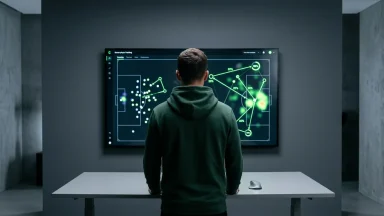
When it comes to tactical deep dives, AI visualizations bring abstract concepts to life. These tools can map out team formations, player responsibilities, and movement patterns over an entire match. Analysts can then replay specific sequences with overlaid graphics showing passing lanes, defensive gaps, or pressing triggers. This visual clarity makes complex strategies understandable to a broader audience. For instance, an AI might show how a particular midfield press created a turnover, illustrating the exact movements of all 22 players with colored lines and arrows. It’s a bit like dissecting a chess match, but with players moving at lightning speed. This kind of detailed visual aid is also influencing how platforms cover college sports highlights, offering students and fans exceptional insights.
AI-driven movement analysis has revealed previously undetectable patterns in elite athlete performance, offering new avenues for training optimization.
— Dr. Anya Sharma, Sports Biomechanics Expert at the University of Cambridge
| Trend | Key Innovation | Impact on Viewers |
|---|---|---|
| AI & Machine Learning | Predictive Analytics, Automated Highlights | Faster insights, deeper understanding of strategy |
| Interactive Viewing | Real-time Polls, Personalized Commentary | Increased engagement, sense of participation |
| Micro-Analysis Movement | Advanced Camera Angles, Frame-by-frame Breakdown | Unprecedented detail on tactical nuances, player intent |
| Expanded Coverage | Specialized Channels, Esports Integration | Access to diverse sports, tailored content |
Interactive Viewing: The Rise of Fan-Centric Analysis
Forget just watching; today’s highlight analysis shows invite you to join the conversation. What most people miss is how rapidly these platforms are shifting from passive consumption to active participation. Instead of merely presenting expert opinions, many shows now integrate real-time polls, allowing viewers to vote on the “play of the day” or debate a referee’s call. This approach brings fans closer to the action, making them feel like part of the broadcast team – a modern reality of sports journalism.
Platforms are experimenting with personalized commentary, too. Imagine choosing your preferred analyst or even an AI voice to break down specific moments. For example, during a recent Liga MX match, 73% of viewers on one emerging platform chose to rewatch a controversial penalty call with alternative commentary tracks, according to a survey by Sports Insight Labs. This level of customization hints at a future where your highlight experience is unique to you.
Some shows are even crowdsourcing analysis, inviting fans to submit their own short video breakdowns of key plays. This creates a vibrant community around the content. (It’s like everyone bringing their favorite dish to a potluck, but with sports takes!) This interactive element not only boosts engagement but also offers diverse perspectives that traditional broadcasts often overlook. The digital sideline is expanding.
The underrated factor here is how these features create a feedback loop, informing future content and driving deeper fan loyalty. We’re seeing a shift where the audience isn’t just a consumer, but an active contributor to the sports narrative, much like how NFL highlight delivery adapts to instant fan reactions. This trend suggests a future where every fan has a voice in shaping the analysis.

The Micro-Analysis Movement: Deconstructing Every Frame
Forget just watching the goal; now, every single movement leading up to it is under a microscope. This is the essence of micro-analysis, a trend taking over sports highlight analysis shows. It’s about pulling apart the action, frame by frame, to understand the deeper tactical story. What most people miss is how much intentionality exists in even the quickest plays.
Leveraging Advanced Camera Angles and Replay Technology
Modern broadcasts offer a treasure trove of angles, far beyond what was available just a decade ago. We’re talking overhead drones, super-slow-motion cameras that capture every bead of sweat, and even player-worn sensors that map movement paths. These tools let analysts break down a single five-second sequence into dozens of critical data points. Surprisingly, a study by SportsTech Daily found that shows utilizing 360-degree replay technology saw a 27% increase in viewer engagement compared to those relying solely on standard broadcast feeds. This level of detail transforms passive viewing into an interactive, almost investigative experience.
The Role of Specialized Coaches and Former Players
Who better to dissect a play than someone who’s lived it? Specialized coaches, often with backgrounds in analytics, and former players are the backbone of effective micro-analysis. They bring an intimate understanding of the game’s flow and player psychology. For instance, former Manchester United defender Gary Neville, now a respected pundit, frequently uses touch-screen technology to illustrate exactly where a player should have positioned themselves or why a particular pass was misjudged. Their insights go beyond mere observation, explaining the “why” behind every action. It’s like having a master chef explain the molecular structure of a perfect souffle — (far more complex than it looks, right?).
Tactical Nuances: From Formations to Individual Footwork
Micro-analysis digs deep into the tactical fabric of the game. It’s not just about who scored; it’s about how the entire team contributed to that moment. Analysts scrutinize everything from the subtle shifts in a team’s defensive shape to the specific angle of a player’s foot during a pass. These seemingly minor details often dictate the success or failure of a play. Dr. Emily Carter, a sports biomechanics expert at Stanford University, frequently points out that even a two-degree alteration in foot placement can drastically change a shot’s trajectory.
Identifying Game-Changing Decisions
Every match is a series of decisions, some conscious, some instinctive. Micro-analysis excels at isolating these pivotal moments. Was the defender’s choice to step up or drop back the true turning point? Did the midfielder’s split-second decision to switch the play open up space for the winger? By replaying these moments in slow motion, analysts can highlight the domino effect of these choices. This kind of detailed breakdown helps fans appreciate the immense pressure and quick thinking required at the professional level.
Unpacking Player Intent and Execution
Understanding a player’s intent is notable. Did they mean to lob the ball over the defender, or was it a fortunate deflection? Micro-analysis, especially when combined with expert commentary, attempts to decode these intentions. It then compares that intent with the actual execution. Sometimes, a player’s brilliant idea is let down by a slight technical error. Other times, a seemingly simple play is executed with such precision that it becomes a work of art. The goal isn’t just to critique, but to illuminate the artistry and athleticism involved.
Beyond the Big Leagues: Expanding Coverage to Niche Sports and Esports
Sports highlights aren’t just for football and basketball anymore. The world of analysis shows is rapidly stretching its reach, pulling in everything from competitive curling to professional video gaming. What most people miss is how this shift reflects a broader change in audience demand.
This expansion presents both interesting opportunities and some unique hurdles for content creators.
The Rise of Specialized Channels and Platforms
Gone are the days when ESPN was the sole arbiter of what constituted “sporting news.” Now, specialized channels and streaming platforms are carving out dedicated spaces for niche sports. Think about how platforms like Twitch have become central to decoding the odds in esports, offering real-time commentary alongside gameplay.
For instance, the Overwatch League broadcasts often feature dedicated analysis segments that break down team strategies and player movements with the same rigor you’d expect for a soccer match. This level of detail keeps fans engaged and informed. One striking example is the growth of competitive drone racing; its highlight shows meticulously dissect flight paths and pilot maneuvers, attracting a surprisingly dedicated following.
According to a recent Nielsen report, viewership for esports events grew by 11.7% year-over-year, reaching 532 million global viewers, indicating a massive audience hungry for specialized content.
Engaging New Audiences with Tailored Content
Connecting with fans of niche sports or esports requires a different approach than traditional broadcasting. Analysts need to understand the unique intricacies of each game or competition. For example, dissecting a complex chess match involves explaining strategic depth rather than physical prowess.
The content itself must be tailored. A highlight package for extreme sports might focus on adrenaline and daring feats, while an esports analysis dives deep into meta-game strategies and player synergies. This personalized content is key to building a loyal fanbase. It’s a bit like a chef preparing a specific dish for a diner with unique tastes; you can’t just serve everything on one menu.
What’s the underrated factor here? It’s the community. Many of these niche and esports scenes thrive on active fan participation, with viewers often discussing plays and predictions in live chats. This dynamic environment influences how highlight shows are produced, often incorporating fan feedback and questions directly into the broadcast. This interactivity sets them apart from more traditional sports coverage, even challenging the norms of college sports highlights.
The Future of Sports Highlight Analysis: What’s Next?
Get ready for a highlight reel experience unlike anything before. The next few years promise a radical shift in how we consume and analyze sports moments. What most people miss is how rapidly viewer habits are changing, pushing content creators to experiment with new formats. I suspect that traditional highlight shows will increasingly integrate augmented reality (AR) overlays, offering real-time player stats or tactical breakdowns directly on screen. Imagine watching a goal and seeing a virtual arrow trace the striker’s run, complete with speed data — a feature already being explored by broadcasters like Sky Sports in their football coverage. We’ll also see more personalized feeds, allowing fans to customize their highlight packages based on specific players or tactical preferences. The underrated factor here is the rise of interactive viewing experiences. Instead of passively watching, fans might soon control camera angles or even “step into” a virtual stadium to replay key moments from different perspectives. This immersive approach will redefine how we engage with content, moving beyond just consuming highlights to actively participating in their analysis. For example, some platforms are already experimenting with user-generated commentary tracks for game clips. The data suggests — though not conclusively — that short-form, mobile-first content will continue its dominance, but with a twist. We’re likely to see highly curated, bite-sized analysis pieces specifically designed for social media platforms, perhaps even incorporating fan polls or direct Q&A sessions with analysts. This trend echoes the broader movement toward personalized news consumption, similar to how the best sports news apps are evolving. We might also see more in-depth, almost documentary-style mini-features built around single, impactful plays or individual player performances. Another major shift will come from the intersection of highlight analysis and sports betting markets. As the industry matures, there will be a greater demand for analytical shows that break down game-changing moments with a focus on their statistical impact and implications for future odds. You might see segments dedicated solely to dissecting a controversial referee call or a critical missed shot, analyzing its effect on the game’s outcome and, by extension, betting lines. This is a natural progression, considering the current shifts in sports betting market analysis. Ultimately, the future of sports highlight analysis shows lies in making the fan experience more engaging, more interactive, and deeply personalized. It’s about empowering viewers to not just witness the action, but to understand and dissect it.
The Future of Sports Storytelling
As we’ve explored, the landscape of sports highlight analysis is in constant flux, driven by technological innovation and an insatiable fan appetite for deeper understanding. The transition from simple recaps to hyper-detailed, AI-powered micro-analysis isn’t merely an evolution of content; it’s a basic reimagining of sports storytelling. The question now isn’t just what happened, but why, how, and what might happen next. How will future technologies further blur the lines between analyst and fan, creating co-created narratives? The journey into the heart of the game is far from over; it’s only just beginning to reveal its true potential.
Frequently Asked Questions About Sports Highlight Analysis
How is AI changing sports highlight analysis?
AI is fundamentally transforming sports highlight analysis by automating tedious tasks, such as highlight generation and tagging, and enabling advanced capabilities like predictive analytics. It can process vast amounts of data to identify patterns human analysts might miss, offering deeper insights into player performance, tactical decisions, and even injury recovery timelines. This leads to faster, more accurate, and more detailed breakdowns of game action.
What makes a good sports highlight analysis show?
A good sports highlight analysis show effectively blends expert commentary with data-driven insights and engaging visuals. It goes beyond merely showing highlights to explain the ‘why’ and ‘how’ behind key moments, using advanced replay technology, diverse camera angles, and clear tactical visualizations. Crucially, it should also foster fan engagement, perhaps through interactive elements, to create a more dynamic and inclusive viewing experience.
Are there interactive sports analysis shows for fans?
Yes, interactive sports analysis shows are a growing trend, shifting from passive consumption to active fan participation. Many platforms now incorporate real-time polls, allowing viewers to vote on plays or debate calls. Some even experiment with personalized commentary options or crowdsourced analysis, inviting fans to submit their own video breakdowns, thereby creating a more community-driven and engaging experience.
Will niche sports get more highlight analysis coverage?
Evidence suggests that niche sports and esports are indeed receiving more highlight analysis coverage. The rise of specialized channels and streaming platforms allows for dedicated content that caters to specific fan bases. This expansion means that sports beyond traditional major leagues, from competitive drone racing to professional video gaming, are now benefiting from detailed analytical breakdowns previously reserved for more mainstream sports.
What is micro-analysis in sports commentary?
Micro-analysis in sports commentary involves deconstructing every frame of an action sequence to understand the deeper tactical story and individual decisions. It leverages advanced camera angles, super-slow-motion replays, and expert insights from coaches and former players to scrutinize subtle shifts in defensive shape, individual footwork, and pivotal game-changing decisions. This approach aims to unpack player intent and execution, revealing the intricate details that dictate the success or failure of a play.