Youth Soccer Development in the U.S.: Top Academies for 2026
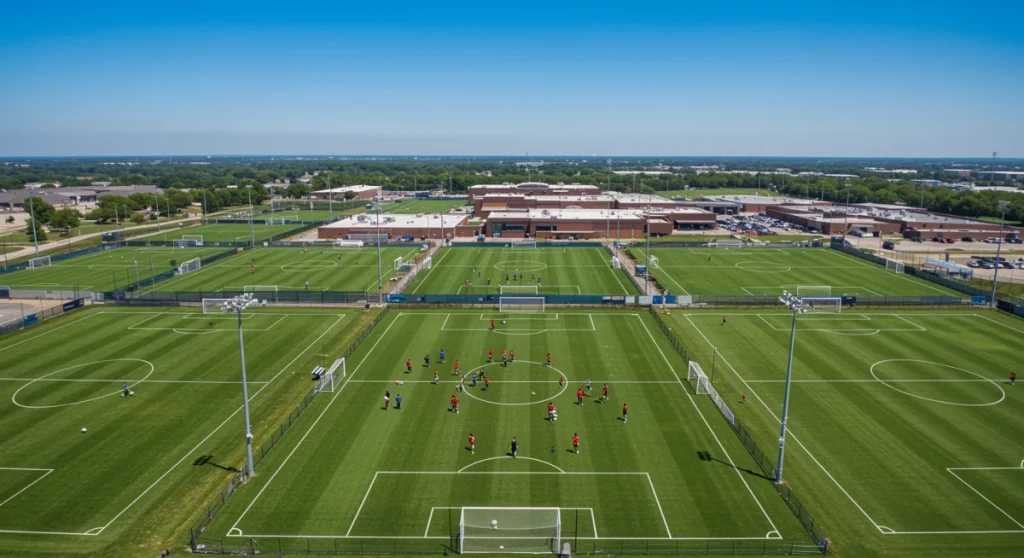
The U.S. youth soccer landscape is rapidly evolving, with key academies spearheading the development of elite talent poised to make a significant impact on the sport by 2026, focusing on holistic player growth.
The landscape of youth soccer development in the U.S. is experiencing an unprecedented surge, driven by increasing popularity and significant investment. As we look towards 2026, the focus intensifies on identifying and nurturing the next generation of American soccer stars. This article delves into the top academies leading this charge, examining their methodologies, successes, and the profound impact they are having on the future of the sport.
The Evolving Landscape of U.S. Youth Soccer
American soccer has undergone a remarkable transformation over the past decade, moving from a sport often considered secondary to a major player on the global stage. This evolution is largely attributable to the concerted efforts in youth development, where dedicated academies are reshaping how young talent is identified, trained, and prepared for professional careers. The traditional club model is giving way to more structured, professionalized environments that mirror those found in leading soccer nations.
The emphasis is now on a holistic approach, where technical skill, tactical understanding, physical conditioning, and mental fortitude are all cultivated. This shift is critical for producing players who can not only compete domestically but also excel in international competitions and top leagues worldwide. The academies discussed here are at the forefront of this movement, setting new benchmarks for excellence in player development.
Strategic Investment in Talent Pathways
A key aspect of this evolution is the strategic investment in clear talent pathways. Major League Soccer (MLS) clubs, in particular, have poured resources into their academy systems, recognizing that homegrown talent is not only cost-effective but also fosters a stronger connection with the local community. These academies often provide fully funded programs, removing financial barriers for promising young athletes.
- Professional Coaching: Access to UEFA-licensed coaches and former professional players.
- State-of-the-Art Facilities: Training grounds, gyms, and recovery centers on par with senior professional teams.
- Integrated Education: Academic support and pathways to higher education alongside soccer training.
- International Exposure: Opportunities for competitive matches and tournaments abroad.
The commitment to these comprehensive development programs is yielding tangible results, with an increasing number of academy graduates making their mark in MLS, European leagues, and the U.S. National Teams. This success fuels further investment and inspires more young athletes to pursue soccer at the highest level.
In conclusion, the U.S. youth soccer landscape is dynamic and rapidly advancing. The foundational changes in development philosophy and infrastructure are creating a fertile ground for future stars, promising a brighter future for American soccer on the global stage.
LA Galaxy Academy: A West Coast Powerhouse
The LA Galaxy Academy stands out as a beacon of excellence in West Coast youth soccer development, consistently producing some of the most promising young talents in the United States. Located in a hotbed of soccer enthusiasts, the academy leverages a vast talent pool and a clear pathway to one of MLS’s most storied franchises. Their philosophy centers on developing technically proficient and tactically intelligent players who can seamlessly integrate into the senior team or succeed in other professional environments.
The academy’s structured curriculum emphasizes possession-based play, individual creativity, and a strong work ethic. Coaches work closely with players from a young age, instilling the club’s core values and a professional mindset. The success of players like Julian Araujo, who progressed through their system to play for the senior team and eventually move to Europe, highlights the effectiveness of their program.
Holistic Player Development and Pathways
Beyond on-field training, the LA Galaxy Academy prioritizes the holistic development of its athletes. This includes academic support, nutritional guidance, and mental conditioning, ensuring that players are well-rounded individuals prepared for the rigors of professional life. The academy also offers various competitive opportunities, including participation in the MLS NEXT league, national tournaments, and international showcases.
The direct affiliation with the LA Galaxy’s senior team provides an invaluable advantage. Academy players frequently train alongside first-team members, offering a glimpse into the professional world and accelerating their learning curve. This exposure is crucial for players aspiring to reach the highest levels of the sport.
- Integrated Training: Regular sessions with senior team coaching staff and players.
- Scouting Network: Extensive network across Southern California to identify top talent early.
- Performance Analytics: Utilizing data to track player progress and tailor individual development plans.
- Alumni Network: Strong connections with former players who have gone on to professional careers.
The academy’s commitment to creating a seamless transition from youth to professional soccer is a key differentiator. They focus not just on producing talented players, but on developing individuals who are ready to contribute immediately at the highest levels, making them a crucial institution for American soccer’s future.
FC Dallas Academy: A Consistent Talent Factory
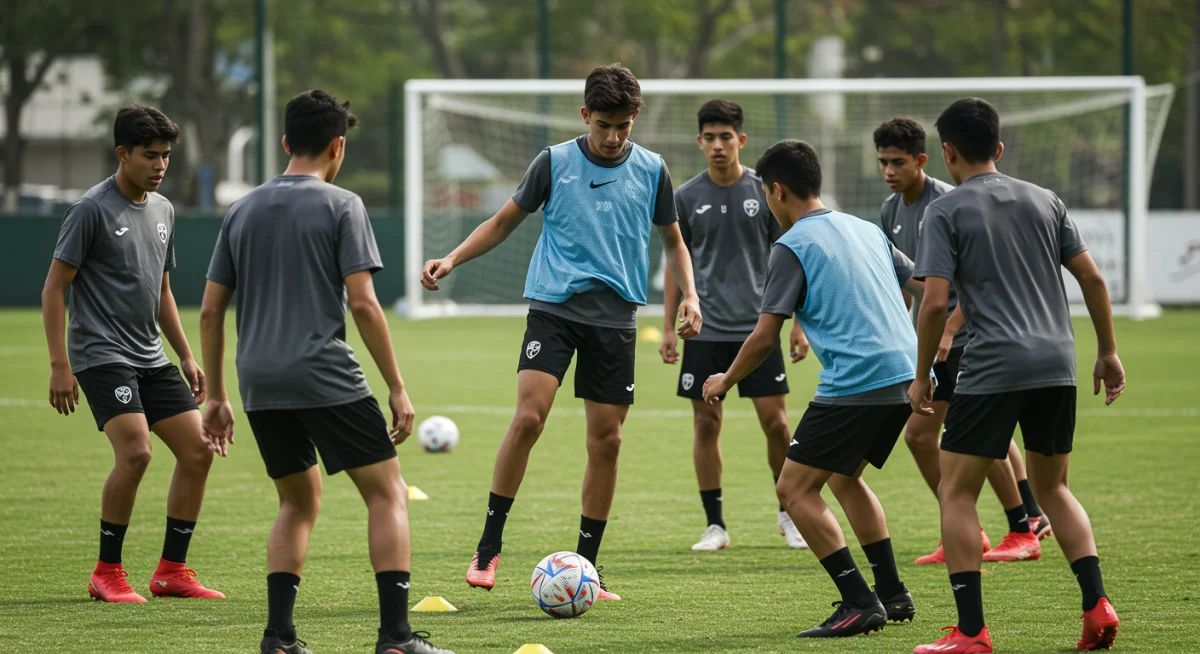
FC Dallas Academy has long been recognized as one of the most prolific talent factories in American soccer, consistently churning out players who excel at both the collegiate and professional levels. Their success is deeply rooted in a philosophy that prioritizes technical mastery, tactical intelligence, and physical robustness from an early age. The academy’s geographical location in Texas provides access to a diverse and passionate soccer community, contributing to its rich talent pool.
What sets FC Dallas apart is its unwavering commitment to a clear playing style and development pathway that permeates all age groups. This consistency ensures that players arriving at the professional level are well-versed in the club’s philosophy and ready to make an immediate impact. The academy has a remarkable track record of producing U.S. Men’s National Team players, including Weston McKennie and Reggie Cannon, showcasing their enduring influence on American soccer.
Innovative Coaching and Player Pathways
The coaching staff at FC Dallas Academy employs innovative training methodologies, often drawing inspiration from leading European academies. They focus on creating a challenging yet supportive environment where players are encouraged to take risks, learn from their mistakes, and continuously push their boundaries. Individual development plans are meticulously crafted for each player, addressing their specific strengths and areas for improvement.
The academy’s pathway to the professional ranks is exceptionally well-defined, with many graduates progressing through the club’s reserve team (North Texas SC) before earning opportunities with the MLS squad. This structured progression allows players to gain valuable professional experience in a familiar environment, easing their transition.
- Academy to Pro Pathway: Direct route to MLS Next Pro (North Texas SC) and MLS first team.
- Technical Skill Emphasis: Intensive focus on ball control, passing accuracy, and dribbling.
- Tactical Understanding: Developing players who can read the game and make intelligent decisions.
- Mental Fortitude: Building resilience and a competitive spirit in young athletes.
FC Dallas Academy’s consistent ability to produce top-tier talent positions it as a cornerstone of youth soccer development in the U.S., vital for building a strong national team and competitive domestic league.
Philadelphia Union Academy: A Rising Force in the East
The Philadelphia Union Academy has rapidly emerged as a dominant force in East Coast youth soccer development, challenging established academies with its innovative approach and impressive output of professional players. Their philosophy, often dubbed the ‘Union Way,’ emphasizes aggressive, high-pressing soccer, combined with a strong focus on technical precision and tactical discipline. This distinct identity helps shape players who are not only talented but also fit seamlessly into the club’s senior team playing style.
The academy’s rapid ascent is a testament to its commitment to investing in top-tier coaching, state-of-the-art facilities, and a rigorous development program. They have successfully established a direct pipeline to their MLS team, with numerous academy graduates making significant contributions, including Brenden Aaronson and Mark McKenzie, both of whom have gone on to successful careers in European leagues.
Strategic Recruitment and Development Model
The Philadelphia Union Academy employs a strategic recruitment model, identifying talent not just for raw ability but also for their potential to adapt to the Union’s specific playing philosophy. Once identified, players enter a comprehensive development program that balances intense training with academic rigor. The academy operates a residency program, providing a fully immersive environment for its most promising prospects.
Their youth teams consistently compete at the highest levels of MLS NEXT, often dominating their respective age groups. This competitive environment is crucial for preparing players for the demands of professional soccer, exposing them to diverse playing styles and high-pressure situations.
- Residency Program: Full-time living and training environment for elite players.
- ‘Union Way’ Philosophy: Instilling a distinct, aggressive playing style across all age groups.
- Data-Driven Development: Using analytics to monitor player performance and progress.
- Direct MLS Pathway: Strong integration with Philadelphia Union II (MLS Next Pro) and the senior team.
The Philadelphia Union Academy’s strategic approach to player development and its proven track record of producing professional talent solidify its position as a leading institution in U.S. youth soccer, crucial for the nation’s soccer future.
Key Factors Driving Academy Success
The success of these leading academies in fostering youth soccer development is not accidental; it stems from a combination of critical factors that create an optimal environment for talent growth. Understanding these elements is essential for appreciating the impact these institutions have on the sport in the U.S.
One of the most significant factors is the quality of coaching. Top academies invest heavily in experienced, highly qualified coaches who possess a deep understanding of player development at various age groups. These coaches are not just instructors but mentors, guiding young athletes through the complexities of professional soccer and life.
Integrated Support Systems
Beyond the technical and tactical aspects of the game, successful academies provide comprehensive support systems. This includes access to sports scientists, nutritionists, psychologists, and academic advisors. This multidisciplinary approach ensures that players are developing physically, mentally, and academically, preparing them for a well-rounded future, whether in soccer or other pursuits.
- Elite Coaching Staff: Experienced coaches with professional playing or coaching backgrounds.
- Individualized Training: Tailored programs addressing specific player needs and goals.
- Competitive Exposure: Participation in top-tier youth leagues and tournaments.
- Mental Skills Training: Developing resilience, focus, and pressure management.
Another crucial factor is the creation of a challenging yet supportive culture. Players are pushed to their limits but also nurtured within an environment that values teamwork, respect, and continuous improvement. This balance is vital for fostering both individual excellence and collective success.
Impact on U.S. National Teams and MLS
The profound impact of these top academies on youth soccer development reverberates across the entire American soccer ecosystem, most notably in the strength of the U.S. National Teams and the increasing competitiveness of Major League Soccer. The consistent production of high-caliber, homegrown talent has been a game-changer, elevating the quality of play and fostering a deeper sense of identity within American soccer.
For the U.S. Men’s National Team, the benefits are clear. A larger pool of technically gifted and tactically astute players means more selection options and greater depth across all positions. This has contributed to a more competitive national team on the international stage, capable of challenging traditional soccer powers. The pipeline of talent from academies directly feeds into youth national teams, creating a cohesive development pathway from a young age all the way to the senior squad.
Strengthening MLS Competitiveness
Within MLS, the rise of academy products has transformed the league. Clubs are no longer solely reliant on international signings; instead, they can develop their own stars, fostering local pride and creating stronger connections with their fan bases. This emphasis on homegrown talent also contributes to the financial sustainability of clubs, as successful academy graduates can be sold to European teams for significant transfer fees, which can then be reinvested into further youth development.
- Increased Homegrown Players: More academy graduates featuring in MLS starting lineups.
- Higher Quality of Play: Technical and tactical improvements across the league.
- Export of Talent: More American players moving to top European leagues.
- National Team Strength: A robust pool of talent for U.S. Men’s National Team selection.
The academies are not just developing individual players; they are cultivating a winning mentality and a distinct American soccer identity. As we approach 2026, the fruits of this labor will undoubtedly be on full display, promising an exciting future for U.S. soccer on both domestic and international fronts.
Looking Ahead to 2026 and Beyond
As the United States prepares to co-host the FIFA World Cup in 2026, the spotlight on youth soccer development intensifies. The players currently honing their skills in these top academies are the very individuals who will form the core of the U.S. Men’s National Team, representing the nation on home soil. The investments made today are directly shaping the potential success of tomorrow, creating a sense of anticipation and excitement.
The academies play a pivotal role in ensuring that the U.S. can field a competitive and inspiring team for the World Cup. Their continued focus on elite player development, coupled with innovative training methods and holistic support, is crucial for maximizing the talent pool available. The legacy of 2026 will not just be about hosting a successful tournament, but also about showcasing a generation of American players forged in these world-class academies.
Continued Innovation and Global Integration
Looking beyond 2026, the trajectory of U.S. youth soccer development points towards continued innovation and deeper global integration. Academies will likely further refine their training methodologies, incorporating the latest sports science and technology. There will also be an increased emphasis on international partnerships and exchanges, providing players with invaluable exposure to different footballing cultures and styles.
The goal is to not only produce players for MLS but also to consistently develop individuals who can compete at the highest levels of European and global soccer. This outward focus, combined with a strong domestic foundation, will solidify the U.S.’s position as a significant player in the world of football for decades to come.
- World Cup 2026 Impact: Academy graduates forming the backbone of the national team.
- Technological Integration: Utilizing advanced analytics and training tools.
- International Collaboration: Partnerships with top global clubs and academies.
- Sustainable Development: Ensuring long-term growth and success for American soccer.
The future of U.S. soccer is bright, largely thanks to the tireless efforts of these academies in nurturing talent and laying the groundwork for sustained excellence. Their ongoing contributions will be instrumental in achieving national and international aspirations.
| Key Aspect | Description |
|---|---|
| Holistic Development | Focus on technical, tactical, physical, and mental growth for well-rounded athletes. |
| MLS Integration | Clear pathways from academy to professional MLS teams, often via reserve squads. |
| Strategic Investment | Significant resources in coaching, facilities, and academic support. |
| National Team Impact | Academies are critical for supplying talent to U.S. Youth and Senior National Teams. |
Frequently Asked Questions About Youth Soccer Development
The primary goal is to identify, develop, and prepare elite young soccer players for professional careers. This includes fostering technical skills, tactical understanding, physical fitness, and mental resilience, often with a direct pathway to Major League Soccer (MLS) teams or international opportunities.
Unlike traditional youth clubs, academies often operate as fully funded, professional environments integrated with MLS teams. They offer comprehensive support systems, including academic guidance, sports science, and dedicated coaching, focusing on a long-term development model rather than just winning youth leagues.
Academies like FC Dallas, LA Galaxy, and the Philadelphia Union are consistently recognized for producing a high volume of professional players. Their structured pathways and commitment to holistic development have seen many graduates excel in MLS and European leagues, as well as represent the U.S. National Teams.
Academic support is critically important. Top academies ensure players maintain their education alongside their intensive training, often providing tutors, flexible schooling options, and guidance for college pathways. This holistic approach prepares athletes for life beyond soccer, ensuring well-rounded individuals.
Academies are expected to be the primary source of talent for the U.S. National Team in 2026. The players currently developing in these systems are the future stars who will represent the nation on home soil, showcasing the success of long-term investments in youth soccer development.
Conclusion
The journey of youth soccer development in the U.S. is a compelling narrative of growth, innovation, and unwavering dedication. The top academies, exemplified by the LA Galaxy, FC Dallas, and Philadelphia Union, are not merely training grounds; they are crucibles where future stars are forged. Their commitment to holistic player development, strategic pathways, and continuous innovation is profoundly shaping the landscape of American soccer. As we look towards 2026 and beyond, these institutions will undoubtedly continue to be the driving force behind the nation’s success on the global stage, ensuring a vibrant and competitive future for the sport.