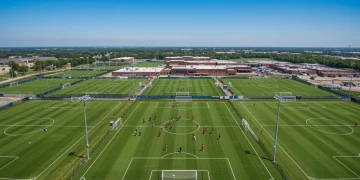
US Youth Soccer Development: 2025 Initiatives Shaping Future Talent
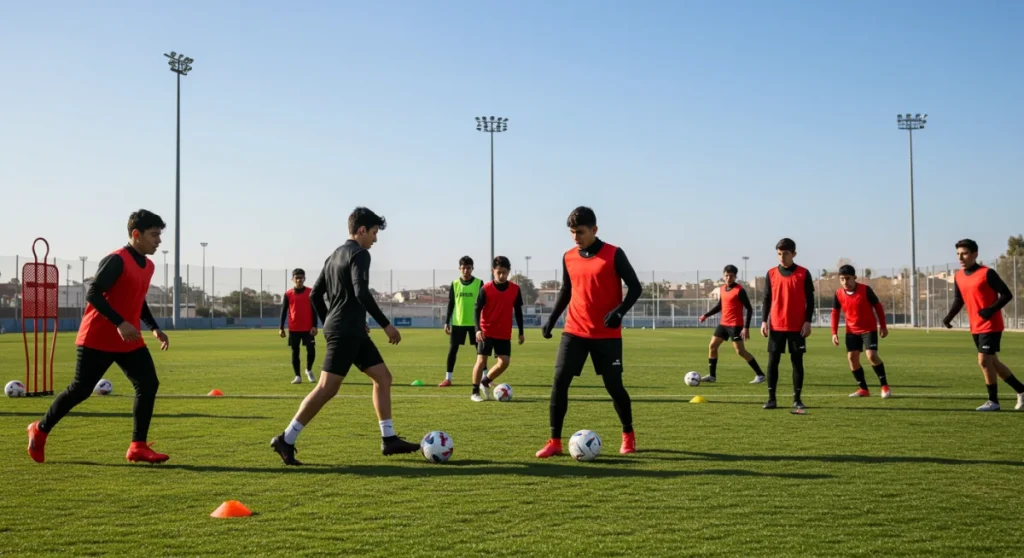
New initiatives launched in 2025 are critically enhancing US youth soccer development by fostering talent identification, improving coaching standards, and creating clearer pathways for aspiring athletes to succeed at national and international levels by 2026 and beyond.
The landscape of US youth soccer development is undergoing a transformative period, with significant initiatives launched in 2025 poised to redefine how talent is identified, nurtured, and propelled toward professional success. These programs aim not just for immediate impact in 2026 but to establish a sustainable framework for decades to come, ensuring a brighter future for American soccer on the global stage.
The new vision for talent identification in US youth soccer
The backbone of any successful national soccer program lies in its ability to consistently identify and develop talent from a young age. Recognizing past limitations, the 2025 initiatives introduce a comprehensive, data-driven approach to talent identification across the United States. This new vision seeks to cast a wider net, ensuring no promising player is overlooked, regardless of their geographic location or socioeconomic background.
Previously, talent identification often relied heavily on regional club structures, which sometimes led to disparities in opportunity. The new system integrates advanced scouting networks and technology to standardize evaluation processes, making them more objective and accessible. This shift is crucial for building a truly representative pool of future stars.
Leveraging technology for early detection
Technology plays a pivotal role in these new identification strategies. Wearable tech and AI-powered analytics are being deployed to monitor player performance during games and training sessions, providing invaluable data points that traditional scouting might miss. This allows for a more scientific assessment of potential.
- Data Analytics Platforms: Centralized platforms collect and analyze performance metrics for thousands of young players nationwide.
- AI-Powered Scouting Tools: Algorithms help identify patterns and predict potential, reducing human bias.
- Remote Evaluation Systems: Enables coaches to assess players in underserved areas without physical travel.
By making talent identification more equitable and efficient, these initiatives are laying the groundwork for a more competitive and diverse pipeline of players. The goal is to ensure that the next generation of US soccer stars emerges from every corner of the nation, bringing varied playing styles and perspectives to the game.
Elevating coaching standards and education
A critical component of effective US youth soccer development is the quality of coaching. The 2025 initiatives place a strong emphasis on professionalizing and standardizing coaching education across all levels of youth soccer. This involves not only updating coaching licenses but also providing continuous professional development opportunities.
The aim is to equip coaches with the latest pedagogical methods, tactical knowledge, and psychological tools necessary to foster holistic player development. This goes beyond just technical skills, focusing on a player’s mental resilience, tactical understanding, and overall character. Investing in coaches is investing directly in the future of the sport.
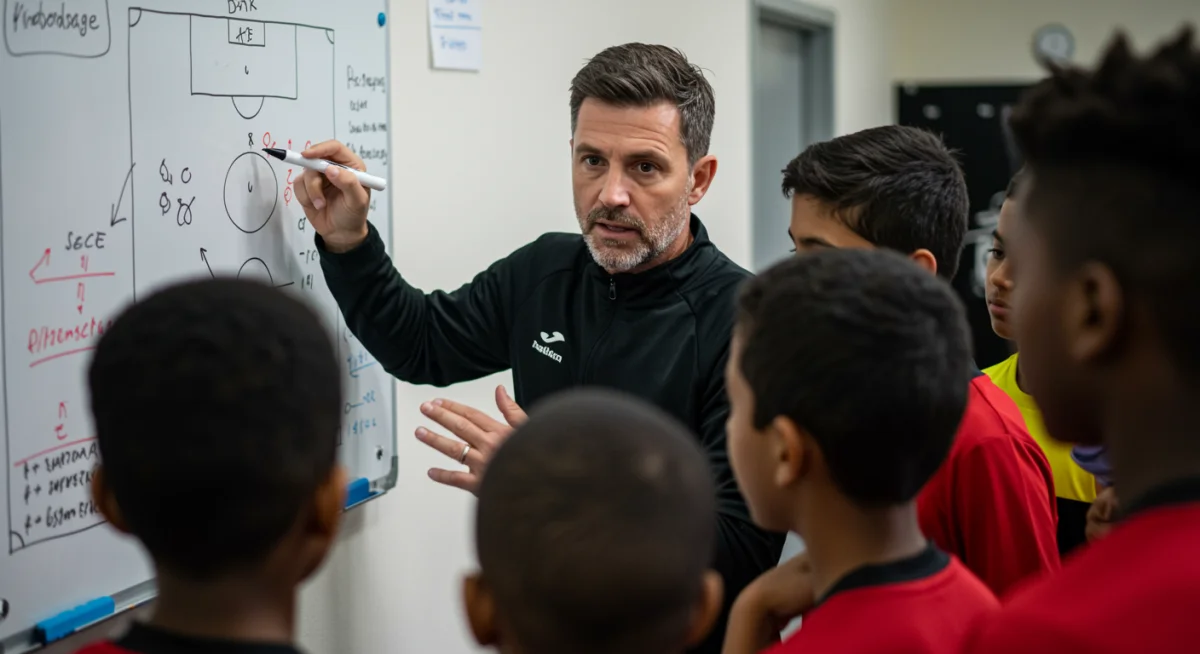
New curricula are being introduced that align with international best practices, ensuring that American youth coaches are on par with their counterparts in leading soccer nations. This includes modules on sports psychology, injury prevention, and age-appropriate training methodologies.
Comprehensive coaching certification programs
The new certification programs are more rigorous and comprehensive, requiring coaches to demonstrate both theoretical knowledge and practical application. This ensures that only the most qualified individuals are guiding young athletes.
- Tiered Licensing System: A clear progression from foundational to advanced coaching licenses.
- Mandatory Continuous Education: Coaches must regularly update their knowledge and skills.
- Mentorship Programs: Experienced coaches guide and support new coaches entering the system.
By raising the bar for coaching excellence, these initiatives are creating an environment where young players receive consistent, high-quality instruction, which is fundamental for their long-term growth and success in the sport. This commitment to coaching development is expected to yield significant returns in player quality.
Restructuring competitive pathways for optimal growth
The structure of competitive youth soccer in the U.S. has often been criticized for being fragmented and overly focused on winning at early ages, rather than on individual player development. The 2025 initiatives address this by introducing a more integrated and player-centric competitive pathway, designed to maximize growth and minimize burnout.
This restructuring involves re-evaluating league formats, competition calendars, and the emphasis placed on results versus development. The goal is to create a system where players are challenged appropriately at each stage of their development, with ample opportunities for both structured competition and creative free play.
A key aspect is the introduction of more flexible league structures that prioritize player exposure to diverse playing styles and levels of competition, rather than rigid promotion/relegation systems at very young ages. This allows for late bloomers to catch up and for early developers to be consistently challenged.
Developmental leagues and academies
New developmental leagues and specialized academies are being established, focusing specifically on long-term player growth. These environments prioritize technical mastery, tactical understanding, and physical conditioning over immediate game outcomes.
- Age-Appropriate Competition: Formats designed to suit the developmental stage of players.
- Increased Playing Time: Policies to ensure all players receive sufficient game minutes.
- Integrated Academy Systems: Stronger links between youth clubs and professional academies.
By optimizing the competitive environment, these initiatives aim to produce players who are not only technically proficient but also strategically astute and resilient, ready to transition to higher levels of the game. The focus is on cultivating a love for the sport alongside a drive for excellence.
Promoting holistic player well-being and education
Beyond the technical and tactical aspects of soccer, the 2025 initiatives emphasize the holistic well-being of young athletes. Recognizing that success on the field is often intertwined with success off it, these programs integrate educational and personal development components into their curricula. This ensures players grow into well-rounded individuals, not just skilled athletes.
This includes academic support, mental health awareness, and life skills training. The aim is to create an environment where players feel supported in all aspects of their lives, reducing the pressure associated with elite sports and promoting a healthier overall development trajectory. A balanced approach is crucial for sustained success.
Workshops on nutrition, financial literacy, and social media responsibility are becoming standard offerings. These resources are designed to prepare young athletes for the challenges and opportunities that come with pursuing a career in professional sports, or simply for navigating life successfully.
Integrated academic and athletic programs
Many new programs are forging stronger partnerships with educational institutions to ensure that academic pursuits are not sacrificed for athletic training. This dual-pathway approach supports players in achieving both their sporting and educational goals.
- Tutoring and Academic Support: Resources available to help players balance schoolwork and training.
- Mental Health Services: Access to sports psychologists and counselors.
- Career Guidance: Support for future career planning, whether in soccer or other fields.
By prioritizing the overall well-being and education of players, these initiatives are cultivating athletes who are not only talented but also resilient, adaptable, and prepared for life’s challenges, both on and off the pitch. This comprehensive approach is a hallmark of modern elite athlete development.
Expanding access and inclusivity in youth soccer
Historically, participation in youth soccer in the U.S. has often been limited by financial barriers and geographical access. The 2025 initiatives are making a concerted effort to dismantle these barriers, promoting greater inclusivity and ensuring that soccer is accessible to children from all backgrounds. This expansion of access is vital for broadening the talent pool and reflecting the true diversity of the nation.
New funding models, scholarship programs, and community outreach efforts are central to this push. The goal is to reduce the cost of participation and bring quality soccer programming to underserved communities, making the sport a true reflection of American society. This commitment to inclusivity is a game-changer for US youth soccer development.
Partnerships with local community centers, schools, and non-profit organizations are being leveraged to establish new playing opportunities in areas that previously lacked them. This grassroots expansion is fundamental to identifying latent talent and fostering a love for the game from an early age.
Community outreach and scholarship programs
Targeted programs are being implemented to reach children in low-income areas, providing free or subsidized access to equipment, coaching, and league play. Scholarships are also available for talented players who demonstrate financial need.
- Free Soccer Clinics: Regular events in underserved communities to introduce the sport.
- Equipment Donation Drives: Ensuring all children have the necessary gear to play.
- Scholarship Funds: Financial aid for club fees, travel, and specialized training.
By actively working to expand access and inclusivity, these initiatives are not only making soccer more equitable but also significantly increasing the potential talent pool for the future, leading to a stronger and more diverse national team. This broader base of participation is essential for long-term success.
Pathways to professional and collegiate soccer
One of the most significant challenges in US youth soccer development has been the lack of clear and consistent pathways for talented players to transition from youth clubs to professional or collegiate levels. The 2025 initiatives are actively addressing this by strengthening the connections between youth soccer organizations, professional academies, and NCAA programs.
This involves creating more formalized scouting pipelines, standardized trial processes, and enhanced communication channels between different levels of the game. The aim is to provide aspiring players with clear guidance and support as they navigate their career choices, whether that’s pursuing a professional contract or leveraging soccer for a collegiate education. These clearer pathways are crucial for player retention and progression.
The integration of youth development with MLS Next Pro and MLS teams is becoming more seamless, offering young prospects direct routes to professional environments. Similarly, enhanced relationships with college coaches are facilitating smoother transitions for those opting for the collegiate route, which remains a vital component of American player development.
Integration with professional and collegiate systems
Efforts are underway to create a more cohesive ecosystem where youth players can easily transition up the development ladder, whether to professional academies, MLS teams, or top collegiate programs.
- Scouting Combines: Joint events organized by youth clubs, MLS teams, and colleges.
- Player Tracking Systems: Comprehensive databases to monitor player progression and readiness.
- Educational Seminars: Informing players and parents about the various pathways available.
By establishing clearer and more robust pathways, these initiatives are empowering young athletes to pursue their soccer dreams with greater confidence and support, ultimately strengthening the foundation of American soccer at all levels. This systematic approach is key to nurturing future national and international talent.
| Key Initiative | Brief Description |
|---|---|
| Enhanced Talent ID | Utilizing data and AI for broader, more equitable player scouting nationwide. |
| Improved Coaching Education | Standardizing and professionalizing youth coaching with updated curricula. |
| Restructured Competitions | Creating player-centric leagues focused on development over early results. |
| Expanded Access | Reducing financial and geographical barriers to make soccer more inclusive. |
Frequently asked questions about US youth soccer development
The main goals are to enhance talent identification, elevate coaching standards, restructure competitive pathways, promote holistic player well-being, and expand access to soccer across all communities in the United States, fostering a sustainable talent pipeline for future success.
Technology, including wearable devices and AI-powered analytics, will provide objective data on player performance. This helps broaden scouting networks, reduce biases, and ensure promising players are identified regardless of location or traditional scouting limitations.
Coaching education is being professionalized with updated, rigorous curricula, continuous professional development, and mentorship programs. These changes aim to equip coaches with advanced pedagogical, tactical, and psychological tools for holistic player development.
The initiatives are tackling financial and geographical barriers through new funding models, scholarship programs, and community outreach. This ensures that more children, especially from underserved communities, have access to quality soccer programming and opportunities.
Clearer pathways are being established through stronger connections between youth clubs, professional academies, and NCAA programs. This includes formalized scouting pipelines, standardized trial processes, and enhanced communication to guide players toward their next steps.
Conclusion
The new initiatives launched in 2025 mark a pivotal moment for US youth soccer development, signaling a resolute commitment to fostering future talent. By strategically addressing talent identification, coaching quality, competitive structures, player well-being, and accessibility, the United States is building a robust and sustainable framework for soccer success. These forward-thinking programs are not merely aiming for immediate gains but are designed to cultivate a generation of skilled, well-rounded athletes ready to make their mark on the global stage for 2026 and far beyond, ensuring a bright and competitive future for American soccer.