Anúncios
For any athlete, from the weekend warrior to the seasoned professional, the threat of injury is a constant, unwelcome shadow. It’s the silent fear that lurks behind every explosive sprint, every sharp pivot, and every high-impact collision. Being sidelined isn’t just a physical setback; it’s a mental battle that tests your resolve, disrupts your progress, and separates you from the game you love. The difference between a minor nuisance and a season-ending catastrophe often lies not in luck, but in preparation and knowledge.
Understanding the mechanics of sports injuries is the first step toward building a formidable defense. These setbacks are rarely random acts of misfortune. More often, they are the predictable outcome of overuse, improper technique, poor conditioning, or inadequate recovery. By recognizing the common culprits—from muscle strains and ligament sprains to insidious overuse syndromes like tendinitis—you can begin to identify the vulnerabilities in your own training regimen and athletic performance.
Anúncios
This comprehensive guide serves as your ultimate playbook for mastering injury prevention and accelerating recovery. We will deconstruct the essential strategies for building a resilient body, including foundational warm-ups, targeted strength training, and the importance of proper equipment. Furthermore, we will outline the critical first-response actions for when an injury does strike, detail the phased approach to effective rehabilitation, and explore how nutrition and a strong mental game can fuel your comeback. Prepare to transform your approach from reactive healing to proactive dominance, ensuring you stay on the field and perform at your peak.
Understanding the Game: What Are Sports Injuries?
Every athlete’s worst nightmare is getting sidelined. That’s the brutal reality of sports injuries—physical damage or trauma sustained while playing, training, or competing in any athletic activity. They aren’t just minor bumps; injuries range from a nagging muscle strain to a career-threatening ligament tear that stops you cold. Understanding what these are and their common causes is the first step to staying on the field.
Anúncios
These setbacks often stem from predictable factors like overuse, poor conditioning, or improper technique during even basic plays. While some freak accidents are unavoidable, many injuries are preventable through smarter preparation, from mastering advanced soccer training drills to ensuring proper rest. The goal isn’t just to play hard, but to build a shield against these issues through smart prevention and effective recovery. This proactive mindset is what separates the elite from the rest.
Common Adversaries: Identifying Frequent Sports Injuries
These are the game-enders that can take you out of play. To beat them, you first have to know what you’re up against. From sudden twists to the slow grind of a long season, common sports injuries have specific triggers and warning signs that every serious athlete must recognize.
Muscle Strains and Ligament Sprains
Don’t get them twisted; strains and sprains are two different beasts. A strain is a tear in your muscle or tendon, often happening when you push too hard, too fast, like during an explosive sprint. On the other hand, a sprain affects your ligaments—the tough bands connecting bones—usually from a sudden pivot or awkward landing that stretches a joint beyond its limit. Mastering the fundamentals in advanced soccer training drills helps build the stability needed to resist these common setbacks.
Overuse Syndromes: Tendinitis and Stress Fractures
Some injuries don’t come from a single dramatic moment, but from a relentless grind. Tendinitis is the inflammation of a tendon from repetitive motion, creating a nagging pain that worsens over time in areas like the knee or Achilles. Similarly, stress fractures are tiny cracks in a bone caused by repeated impact, a risk that increases without proper rest or by using worn-out gear. This highlights the importance of choosing the right athletic footwear to absorb shock and protect your frame.
Beyond the muscles and bones, other serious threats loom. Acute fractures are complete or partial bone breaks resulting from high-impact collisions or falls. And never ignore the risk of concussions, a traumatic brain injury from a blow to the head that can have severe short-term and long-term consequences, demanding immediate medical attention and a strict recovery protocol.
| Aspect | Prevention Strategy | Recovery Tactic |
|---|---|---|
| Physical Preparation | Dynamic warm-ups, static cool-downs, and consistent flexibility work. | Gentle, pain-free range of motion exercises to restore mobility. |
| Strength & Conditioning | Focus on compound movements and core stability to build a protective ‘armor’. | Targeted strengthening exercises to rebuild atrophied muscle around the injury. |
| Nutrition & Hydration | Consume a balanced diet with adequate protein and anti-inflammatory foods. | Increase protein intake for tissue repair and prioritize hydration to aid healing. |
| Technique & Biomechanics | Invest in coaching to correct form and ensure efficient, safe movement. | Perform sport-specific drills to retrain proprioception and movement patterns. |
| Mindset | Maintain focus on long-term goals and listen to your body’s warning signs. | Practice patience, set realistic goals, and stay mentally engaged in the process. |
Building Your Defense: Proactive Prevention Strategies
Your best ability is availability. Staying off the injured list isn’t about luck; it’s about building a fortress around your body before the battle even begins. These proactive injury prevention techniques are non-negotiable for any serious athlete looking to dominate their sport and avoid the sidelines. It all starts with a smart, consistent approach to preparation.
The Foundation: Warm-up, Cool-down, and Flexibility
Skipping your warm-up and cool-down is the fastest way to get hurt. A proper warm-up gradually increases your heart rate and blood flow to the muscles, preparing them for explosive action. Think light cardio followed by dynamic stretching like leg swings and torso twists, not holding static stretches when your muscles are cold.
After the game or session, a cool-down helps your body transition back to a resting state, preventing muscle soreness and aiding recovery. This is the time for static stretching, holding positions for 20-30 seconds to improve long-term flexibility. Consistent flexibility exercises maintain your range of motion, allowing joints to move freely and reducing the strain on muscles and ligaments.
Strength and Conditioning: A Protective Armor
Want to be unbreakable? Build your armor in the gym. Effective strength training for injury prevention goes beyond building beach muscles; it’s about creating stability around your most vulnerable joints. Stronger muscles act as shock absorbers, protecting ligaments and bones from excessive force during sprints, jumps, and tackles.
Focus on compound movements like squats, deadlifts, and presses that engage multiple muscle groups, and never neglect your core. A strong core is the epicenter of all athletic movement, providing balance and power transfer. Integrating these principles is a core component of many Advanced Soccer Training Drills designed to build resilient, powerful athletes.
Technique and Biomechanics: Moving Smart
It’s not just how hard you play, but how smart you move. Every sport has fundamental movements, and executing them with poor form is like driving a car with misaligned wheels—a breakdown is inevitable. Poor biomechanics place unnatural stress on joints, tendons, and muscles, leading to overuse injuries like tendonitis or stress fractures over time.
Importance of Coaching and Form Correction
This is where expert guidance becomes critical. A good coach or trainer can identify subtle flaws in your technique that you can’t see or feel. They provide real-time feedback and corrective drills to reprogram your muscle memory, ensuring you move efficiently and safely. Investing in quality coaching is a direct investment in your longevity as an athlete.
Equipment and Environment: Gear Up Safely
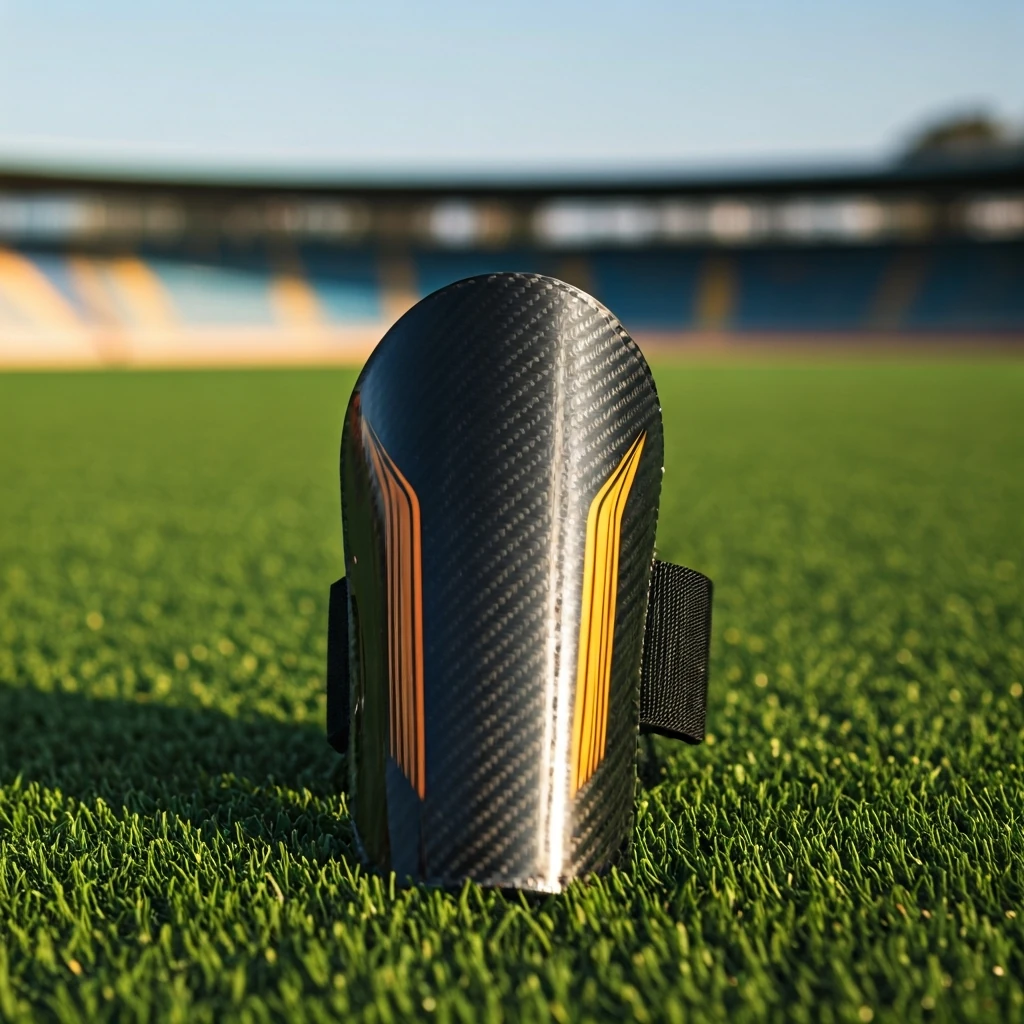
Your gear isn’t just for looks; it’s your shield against disaster. Using proper equipment for sports is a fundamental layer of protection, from helmets in high-contact sports to shin guards in soccer. Worn-out or ill-fitting equipment can fail at a critical moment or even cause injuries itself, like blisters or joint instability.
Pay special attention to your foundation; Choosing the Right Athletic Footwear for your sport and foot type is crucial for support and traction. Also, be aware of your environment. Playing on poorly maintained surfaces or in extreme weather conditions significantly increases your risk, so always assess your surroundings before you play.
The Immediate Response: What to Do When Injury Strikes
Injury hits hard and fast. Your next move is everything. When you go down, immediate action can be the difference between a quick comeback and a long sideline stint. The most trusted protocol for acute injury management is the RICE method, a simple yet powerful first aid approach for a sports injury.
RICE stands for Rest, Ice, Compression, and Elevation. Stop play immediately, apply ice for 15-20 minutes every few hours, and use a compression bandage to limit swelling. Finally, elevate the injured limb above your heart whenever possible to help drain excess fluid from the area.
While RICE is great for minor issues, you must know when to see a doctor. Severe pain, the inability to bear weight, an obvious deformity, or hearing a ‘pop’ during the incident are all red flags. These signs mean you need a professional diagnosis without delay.
The Road to Recovery: Principles of Rehabilitation
Getting sidelined by an injury is brutal. But true recovery isn’t about waiting it out; it’s a strategic battle to reclaim your spot on the field. A successful comeback hinges on a structured sports injury rehabilitation plan, which is your personal roadmap back to peak performance. This journey requires discipline and professional guidance, as cutting corners is the fastest way to get re-injured.
The psychological toll of being unable to play is often as challenging as the physical pain itself. Staying engaged and focused on the plan is crucial, transforming recovery from a passive wait into an active mission. This process tests your resolve, making a strong mindset, like the one discussed in Mental Toughness: Building Resilience in Sports, a non-negotiable asset for any athlete aiming to return stronger than before.
The Role of Physical Therapy and Athletic Trainers
Don’t even think about going it alone. Physical therapists and athletic trainers are the master strategists of your recovery. They conduct a thorough assessment to understand the precise nature of your injury and design a personalized plan just for you. These experts are your coaches, accountability partners, and your best defense against setbacks.
Their guidance is critical for progressing safely, as they know exactly when to push and when to hold back. They use a combination of manual therapy, targeted exercises, and advanced modalities to accelerate healing. Following their plan for physical therapy for athletes isn’t a suggestion; it is the single most important factor in ensuring a full and durable recovery.
Phased Approach to Rehabilitation Exercises
Rehabilitation follows a clear, multi-stage process designed to gradually reintroduce stress to the injured tissue without causing further damage. This progressive exercise recovery ensures your body rebuilds its capacity methodically. Each phase builds upon the last, taking you from the treatment table back to full-throttle competition.
Early Stage: Pain and Swelling Reduction
The first mission is damage control. Immediately following an injury, the primary goals are to manage pain and reduce inflammation and swelling. This phase involves rest, ice, and gentle, pain-free movements to maintain some mobility and encourage blood flow. The focus is on creating an optimal environment for your body to begin the natural healing process.
Mid Stage: Restoring Range of Motion and Strength
Once the initial inflammation subsides, the real work begins. This stage concentrates on carefully restoring the joint’s full range of motion through stretching and mobility exercises. As you regain flexibility, you will begin introducing light strengthening exercises to rebuild the muscles that support the injured area, fighting off the muscle atrophy that begins almost immediately after an injury.
Late Stage: Proprioception and Sport-Specific Drills
This is the final boss battle of your recovery. Proprioception—your body’s awareness of its position in space—is often impaired after an injury, so balance and stability exercises are crucial. You will then transition into sport-specific drills that mimic the demands of your position, like those found in Advanced Soccer Training Drills. This phase bridges the gap between the clinic and the pitch, ensuring your body is ready for the unpredictable movements of a real game.
Managing Pain and Inflammation Effectively
Controlling pain and inflammation is a constant task throughout the recovery timeline, not just at the beginning. Effective pain management injury strategies go beyond just icing. Your therapist might use modalities like electrical stimulation or ultrasound to support the healing process and provide relief.
Listening to your body is paramount; a sharp increase in pain is a signal to pull back, not push through. Proper nutrition and staying hydrated, as outlined in The Importance of Hydration in Athletics, also play a huge supportive role by giving your body the resources it needs to repair tissue efficiently. This holistic approach ensures you manage discomfort while still making steady progress toward your return.
Fueling the Comeback: Nutrition and Hydration for Healing
Your comeback starts on your plate, not just in the physical therapy room. What you eat and drink directly impacts how quickly and effectively your body rebuilds itself after an injury. Treating your diet as a critical part of your recovery plan separates the players who bounce back fast from those stuck on the sidelines. Forget passive healing; this is about actively providing your body with the tools it needs to get back in the game.
Key Nutrients for Repair and Regeneration
When tissue is damaged, your body’s demand for specific nutrients skyrockets. First and foremost, you need to prioritize protein for muscle repair and tissue rebuilding. Think lean meats, fish, eggs, and plant-based sources like lentils and tofu. Without enough protein, your body simply cannot reconstruct what was broken, stalling your progress before it even begins.
Beyond protein, your focus should shift to managing inflammation. Loading up on anti-inflammatory foods, such as fatty fish rich in omega-3s, nuts, seeds, and leafy greens, can help control the body’s inflammatory response. Key vitamins for healing, like Vitamin C found in citrus fruits and Zinc from seeds and legumes, are also essential for collagen synthesis and immune function, creating the perfect environment for recovery.
Staying Hydrated for Optimal Physiological Function
Water is the unsung hero of injury recovery. Proper hydration for athletes is non-negotiable, as water is the primary vehicle for transporting nutrients to your damaged cells and flushing out waste products. Being even slightly dehydrated can slow down this critical process, effectively putting the brakes on your body’s natural healing mechanisms.
Dehydration can also increase inflammation and muscle cramping, further complicating your recovery. As we’ve covered in The Importance of Hydration in Athletics, your body’s systems depend entirely on adequate fluid intake to function correctly. Don’t let a simple lack of water undermine all the hard work you’re putting into rehab; keep a water bottle with you at all times and drink consistently throughout the day.
The biggest comeback isn’t on the field; it’s in your head.
Getting sidelined by an injury is more than just a physical problem; it’s a brutal mental battle. Dealing with the frustration, isolation, and uncertainty can crush an athlete’s spirit long after the physical pain subsides. A positive mindset for recovery isn’t just a nice idea; it’s a fundamental part of a successful return to the sport and crucial for maintaining your mental health athletes injury status.
One of the biggest psychological hurdles is the paralyzing fear of re-injury. This can make you hesitate on a tackle, pull back on a sprint, or play with a constant sense of dread, which ironically can lead to more problems. Learning how to cope with sports injury means directly confronting these fears and rebuilding trust in your own body, piece by piece.
To win this mental game, focus on what you can control. Set small, achievable daily goals for your rehab, visualize yourself playing at full strength, and stay connected with your teammates. Building this resilience is a skill, and mastering Mental Toughness: Building Resilience in Sports is just as important as any physical therapy session on your road back to peak performance.
The Triumphant Return: Safely Getting Back in Action
Don’t let your comeback become your next major setback. The final whistle of rehab isn’t the finish line; it’s the start of a new, smarter race. Returning to your sport after an injury is a calculated process, not a mad dash, and how you manage it dictates whether you reclaim your glory or land right back on the sidelines.
Clearance and Assessment: When Are You Truly Ready?
Just because the pain is gone doesn’t mean your body is ready for game-day chaos. Professional clearance is non-negotiable. This means a green light from a doctor or physiotherapist based on objective tests measuring strength, stability, and range of motion. They will compare your injured side to your uninjured side to ensure there are no lingering deficits.
These assessments are designed to mimic the demands of your sport, pushing the repaired tissue to see how it responds under pressure. Passing these tests is your true ticket back, proving you have the physical capacity to perform without significant risk. Listening to your body is crucial, but listening to the experts who can interpret what your body is actually saying is even more important.
Progressive Exposure: The Step-by-Step Approach
Jumping straight into a full-contact match is a recipe for disaster. A gradual return to sport is the only way to re-acclimate your body and mind to the intensity of competition. This phase is all about progressively increasing the load on your body in a controlled fashion, allowing tissues to adapt without being overwhelmed.
From Controlled Drills to Full Competition
The journey starts with basic, sport-specific movements in isolation before moving on to more complex patterns. For a soccer player, this might mean starting with jogging, then running, then incorporating some of the site’s Advanced Soccer Training Drills without opposition. From there, you progress to controlled team training, limited-contact scrimmages, and finally, unrestricted game play, increasing minutes incrementally.
Long-Term Prevention: Maintaining Vigilance
Your return to the field isn’t the end of the story; it’s the beginning of a long-term commitment to preventing re-injury. The area that was injured will always be a potential weak point, requiring ongoing attention. This means integrating your rehab exercises into your regular training routine indefinitely and never skipping your warm-ups or cool-downs.
Continued Strength and Flexibility Routines
Maintaining peak physical condition is your best defense against future problems. This includes consistent strength and conditioning, focusing on balance and proprioception. It also means paying attention to details like The Importance of Hydration in Athletics and ensuring you’re Choosing the Right Athletic Footwear for proper support. Ultimately, combining a strong body with the mental fortitude you’ve built reinforces your resilience on all fronts.
From Setback to Comeback: Your Ultimate Game Plan
Mastering your athletic journey means treating your body like the high-performance machine it is. Injury prevention and recovery aren’t separate disciplines; they are two sides of the same coin, requiring a holistic and proactive mindset. By integrating smart preparation, immediate and appropriate action, structured rehabilitation, and a resilient mental approach, you do more than just heal—you build a stronger, more durable version of yourself. Use this guide not as a temporary fix, but as a permanent blueprint for a long and dominant career. Stay vigilant, train smart, and turn every potential setback into a setup for your greatest comeback.
Frequently Asked Questions About Sports Injuries
What are the most common sports injuries for soccer players?
Soccer players are particularly susceptible to lower-body injuries due to the sport’s demands of running, kicking, and sudden changes in direction. The most common issues include hamstring strains, ankle sprains, groin pulls, and tears of the anterior cruciate ligament (ACL) in the knee. Overuse injuries like shin splints and tendinitis are also frequent.
How long does it typically take to recover from a minor sports injury?
Recovery time for a minor injury, like a mild muscle strain or ligament sprain, can range from a few days to a few weeks. The exact duration depends on the severity of the injury, how quickly it’s treated with protocols like RICE, and the individual’s overall health and commitment to rehabilitation exercises.
Can nutrition really speed up injury recovery?
Absolutely. Nutrition plays a critical role by providing the building blocks for tissue repair. Consuming adequate protein is essential for rebuilding damaged muscle, while anti-inflammatory foods like those rich in omega-3s can help manage swelling. Vitamins C and Zinc are also vital for collagen synthesis and immune function, directly supporting the healing process.
When should I consult a doctor for a sports injury instead of self-treating?
You should seek immediate medical attention if you experience severe pain, are unable to put any weight on the injured limb, or notice an obvious deformity or significant swelling. Hearing or feeling a ‘pop’ or ‘snap’ at the time of injury is another major red flag that warrants a professional diagnosis to rule out a serious issue like a fracture or complete ligament tear.
What role does rest play in injury prevention and recovery?
Rest is crucial for both prevention and recovery. For prevention, rest days allow muscles to repair and adapt, becoming stronger and more resilient to future stress. In recovery, rest is the essential first step that reduces stress on damaged tissue, controls inflammation, and creates the optimal environment for the body’s natural healing process to begin.