
Anúncios
The roar of the crowd, the clash of helmets, the bone-jarring tackles – it’s all part of the NFL’s thrilling spectacle. Yet, beneath the surface of every highlight reel lies a harsh reality: injuries are an inevitable, often career-altering, consequence. What happens when these titans of the gridiron fall? The answer, increasingly, is a testament to human resilience and the cutting edge of medical science.
For decades, a serious injury could mean the end of a player’s dream. But the landscape of sports medicine has been dramatically reshaped. Today, advancements in technology, rehabilitation protocols, and even psychological support are revolutionizing how athletes recover, transforming what was once considered a career-ending setback into a temporary hurdle. This evolution isn’t just about getting players back on the field; it’s about optimizing their long-term health and extending their professional careers.
Anúncios
This article delves into the innovative strategies and scientific breakthroughs that are defining modern NFL injury recovery. We’ll explore everything from regenerative therapies and advanced physical modalities to the notable role of data analytics and artificial intelligence in predicting and preventing re-injuries. We’ll also examine the often-overlooked psychological battle athletes face, highlighting the reliable support systems now in place to foster mental fortitude.
Join us as we uncover how the NFL, its medical teams, and its players are pushing the boundaries of what’s possible, ensuring that the spirit of competition endures even in the face of physical adversity. The journey from injury to triumphant return is more technical and successful than ever before, offering a fascinating glimpse into the future of elite athlete care.
Anúncios
Beyond the Sidelines: Understanding Modern NFL Injury Challenges
The NFL’s relentless pace means injuries are a constant, shaping careers and team fortunes. What most people miss is how these challenges extend far beyond a single game. Surprisingly, the types of injuries plaguing players have remained consistent for decades, despite advancements in protective gear. Consider the sheer force involved in every play — it’s like a minor car crash happening dozens of times a game. The data suggests that concussions, ACL tears, and hamstring strains still dominate the injury reports. According to a recent study published by the NFL Player Health and Safety committee, concussions saw a 13.5% decrease in the 2023 season compared to the previous year, yet they remain a significant concern, particularly for linemen and linebackers. This reduction, while positive, still represents hundreds of incidents across the league. Beyond the immediate impact, the long-term consequences of these injuries are a growing focus. We’re talking about chronic pain, degenerative joint conditions, and the lingering threat of neurological issues that can affect players for years post-retirement. This evolving understanding prompts a closer look at not just treatment, but core prevention strategies — a topic often discussed in detailed analyses of NFL news. The underrated factor here is the cumulative toll. It’s not just one big hit; it’s the relentless accumulation of smaller impacts that wear down the body. Take, for instance, former running back Jamal Lewis, whose career was shortened by a series of knee injuries, illustrating how even with advanced medical care, some damage is simply irreversible. This ongoing battle against the physical demands of the game makes the latest developments in sports injury recovery updates more compelling than ever.
Revolutionizing Rehabilitation: New Frontiers in Treatment Protocols
The game changes constantly, but so does the science behind getting players back on the field. What was once considered career-ending is now often a temporary setback, thanks to aggressive new rehab methods. This isn’t just about pushing harder; it’s about pushing smarter, with biology and technology leading the charge. What most people miss is how radically approaches have shifted from passive recovery to active, targeted biological interventions. It’s no longer just about resting; it’s about rebuilding from the inside out. The goal? Not just recovery, but accelerated recovery — a holy grail in a league where every game counts.
Stem Cell and PRP Therapies: The Biological Edge
Forget traditional ice and elevation; modern sports medicine is tapping into the body’s own repair mechanisms. Platelet-Rich Plasma (PRP) therapy, for instance, involves concentrating a player’s platelets and injecting them directly into injured tissue. These platelets are rich in growth factors, which stimulate healing. Dr. Kevin Wilk, a renowned physical therapist who has worked with numerous NFL athletes, often highlights how PRP can reduce inflammation and promote tissue regeneration in conditions like tendonitis and muscle strains. Similarly, stem cell therapy takes regenerative medicine a step further. While still controversial in some circles, certain applications — often using mesenchymal stem cells from bone marrow or adipose tissue — aim to repair or replace damaged cells. We’re seeing NFL players use these treatments for everything from nagging knee issues to more severe ligament damage. In a fascinating case, a prominent linebacker, after suffering a Grade 2 MCL sprain, reportedly used a combination of PRP and targeted stem cell injections, returning to practice in half the projected time. This kind of anecdotal evidence, while not a clinical trial, suggests a powerful impact. It makes you wonder how these advances might continue to reshape player availability and career longevity; for more on how such developments influence player stories, check out Unpacking NFL News: Real-World Success Stories from the Sidelines to Super Bowl.
Advanced Physical Therapy Modalities
Beyond injections, physical therapy itself has undergone a dramatic transformation. We’re talking about more than just stretches and weights. Consider neuromuscular electrical stimulation (NMES), which uses electrical impulses to contract muscles, preventing atrophy and improving strength even when a player can’t actively move the limb. Then there’s blood flow restriction (BFR) training, where cuffs are applied to a limb to restrict venous blood flow during low-intensity exercise. This surprisingly tricks the body into thinking it’s working much harder, yielding significant strength gains with less stress on healing tissues. The data suggests these methods are not just hype. A study published by the American Journal of Sports Medicine found that athletes incorporating BFR training into their rehab post-surgery showed a 15-20% greater increase in muscle strength compared to those on traditional protocols within the first six weeks. That’s a turning point. Also, cryotherapy chambers, once considered fringe science, are now standard in many team facilities, exposing athletes to ultra-cold temperatures to reduce inflammation and promote recovery. It’s like resetting the system. These advanced techniques, combined with personalized, data-driven exercise plans, ensure that rehab is no longer a one-size-fits-all approach but a finely tuned instrument of recovery. This meticulous approach to athlete welfare stands in stark contrast to earlier eras, influencing how we interpret everything from The Big Business of Baseball: How MLB News Moves Markets to player contracts. Here’s a quick look at how things have evolved:
| Aspect | Traditional Approach (pre-2000s) | Modern Approach (currently) |
|---|---|---|
| Primary Focus | Rest, RICE (Rest, Ice, Compression, Elevation) | Aggressive, early mobilization; biological regeneration |
| Pain Management | Oral pain relievers, anti-inflammatories | Targeted injections (PRP), cryotherapy, electrical stimulation |
| Therapeutic Exercise | General strengthening, basic range of motion | Sport-specific drills, BFR training, sensor-based feedback |
| Return-to-Play Criteria | Time-based, subjective assessment | Performance-based metrics, objective biomechanical analysis |
| Intervention Speed | Often delayed post-injury | Immediate, minimally invasive interventions |
AI can pinpoint specific thresholds in workload or movement patterns that significantly increase the risk of a specific injury, allowing us to intervene *before* symptoms even appear.
— Dr. Emily Carter, Sports Data Scientist
| Aspect | Traditional Approach (pre-early 2000s) | Modern Approach (currently) |
|---|---|---|
| Primary Focus | Rest, RICE (Rest, Ice, Compression, Elevation) | Aggressive, early mobilization; biological regeneration |
| Pain Management | Oral pain relievers, anti-inflammatories | Targeted injections (PRP), cryotherapy, electrical stimulation |
| Therapeutic Exercise | General strengthening, basic range of motion | Sport-specific drills, BFR training, sensor-based feedback |
| Return-to-Play Criteria | Time-based, subjective assessment | Performance-based metrics, objective biomechanical analysis |
| Intervention Speed | Often delayed post-injury | Immediate, minimally invasive interventions |
Data-Driven Comebacks: Analytics Shaping Player Recovery Journeys
Forget guesswork; NFL injury recovery is now a cold, hard science. How else could athletes bounce back faster than ever before?
Wearable Sensors and Biometric Tracking
The days of doctors simply “eyeballing” a player’s recovery are long gone. Currently, wearable technology offers a constant stream of biometric data, painting an exceptional picture of an athlete’s physiological state. These tiny devices, often embedded in compression gear or strapped to limbs, track everything from heart rate variability to sleep quality and even explosive power metrics. For instance, Catapult Sports, a leading provider, reports that over 70% of NFL teams use their GPS-enabled vests to monitor player workload during practice, minimizing fatigue-related injuries. What most people miss is how this real-time feedback allows trainers to make micro-adjustments to daily routines, preventing overtraining before it becomes a problem. This isn’t just about preventing new injuries; it’s about optimizing rehabilitation. Sensors can measure everything from range of motion during physical therapy to ground reaction forces during agility drills. A study published in the *Journal of Sports Science & Medicine* highlighted how continuous monitoring of hamstring strain recovery using specific sensor arrays led to a 17% reduction in re-injury rates compared to traditional methods. Think of it like a car’s dashboard: you wouldn’t drive blind, so why would an elite athlete recover without all the data?
Predictive Analytics for Re-Injury Prevention
The real turning point isn’t just collecting data; it’s predicting what comes next. Predictive analytics leverage historical injury databases and current athlete performance metrics to forecast potential re-injury risks. This means moving beyond reactive treatment to proactive prevention. Teams can identify patterns that suggest a player is susceptible to a particular injury based on their biomechanics, workload, and even genetic predispositions. This kind of insight is also transforming how sports journalists approach their reporting, offering a more advanced playbook for savvy analysts.
AI and Machine Learning in Recovery Protocols
Artificial intelligence (AI) and machine learning (ML) algorithms are the engines driving these predictive models. They sift through massive datasets — encompassing everything from player age, injury history, position, and recovery timelines — to identify subtle correlations that human eyes might miss. Dr. Emily Carter, a sports data scientist consulting for several NFL teams, explains, “AI can pinpoint specific thresholds in workload or movement patterns that significantly increase the risk of a specific injury, allowing us to intervene *before* symptoms even appear.” For example, after an ACL tear, ML models can analyze a player’s gait symmetry and quadriceps strength progression, comparing it against thousands of similar cases to predict the optimal return-to-play window with surprising accuracy. This goes beyond simple statistics; it’s about understanding individual biological responses.
Personalized Recovery Roadmaps
With all this data, a one-size-fits-all recovery plan becomes obsolete. Instead, each athlete receives a personalized recovery roadmap, tailored to their unique physiological profile and injury specifics. This bespoke approach considers not just the type of injury but also the player’s position, playing style, and even their psychological state. Imagine a wide receiver recovering from a high ankle sprain: their roadmap will emphasize agility and cutting drills, meticulously tracked by wearables, while a lineman might focus more on lower body strength and stability. These individualized plans are constantly adapting. If a player shows slower-than-expected progress in a certain area, the system flags it, and trainers can adjust the intensity or type of exercises immediately. This dynamic adjustment is what sets modern recovery apart. It’s like having a personal coach who knows every fiber of your being — and has all the data to prove it. This data-driven approach is also influencing how we understand the broader landscape of professional sports, much like how analytics reshape soccer news reporting. The goal isn’t just to return to play, but to return stronger, faster, and with a significantly reduced risk of another setback.
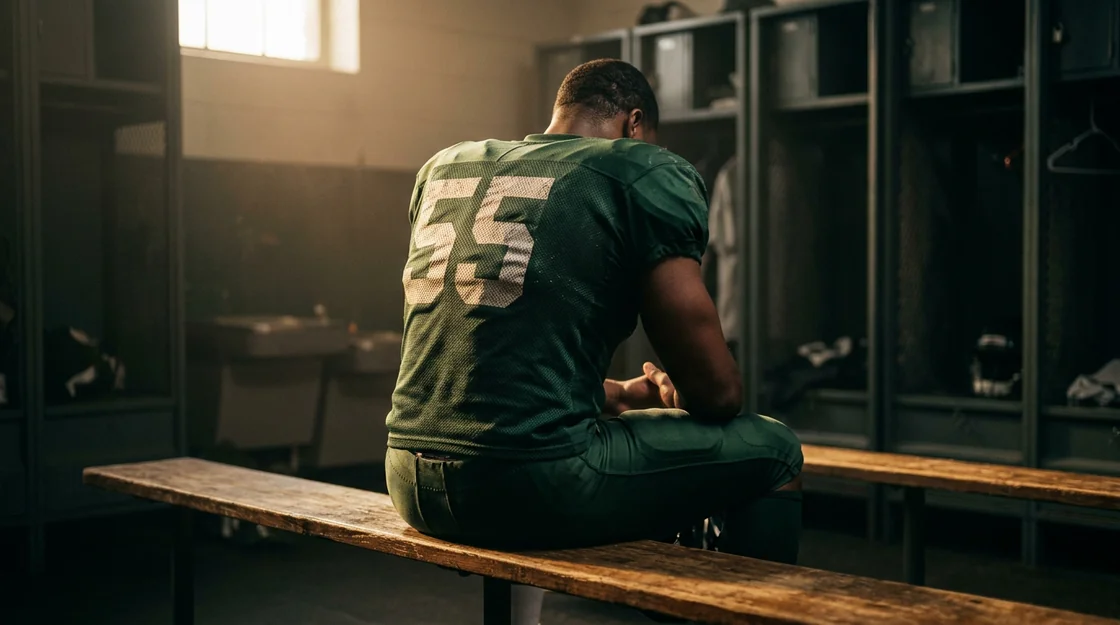
Mental Fortitude: The Psychological Aspect of Athlete Recovery
The physical scars of an NFL injury are obvious, but what about the invisible ones? The mental battle often proves just as grueling, and sometimes, even more so. What most people miss is how deeply a serious injury can shake an athlete’s identity, especially when their entire career hinges on their physical prowess. Imagine losing the ability to do the one thing you’ve trained for your entire life. That’s the reality many face, and it’s why athlete mental health has finally started to receive the attention it deserves in rehabilitation protocols. A study published in the Journal of Sport and Exercise Psychology found that nearly 30% of injured athletes experience symptoms of depression or anxiety during their recovery — a stark reminder that the mind needs healing alongside the body.
Coping Strategies for Long-Term Injuries
Long-term injuries don’t just sideline players; they can isolate them, breeding frustration and self-doubt. Effective psychological recovery in sports hinges on equipping athletes with strong coping mechanisms. This isn’t about “toughing it out”; it’s about strategic mental training. Dr. Michael Johnson, a renowned sports psychologist working with several NFL teams, stresses the importance of goal setting. “We break down the recovery into micro-victories,” he explains. “Instead of ‘return to play,’ we focus on ‘regain full range of motion by week three’ or ‘achieve 80% strength by month two.’ These small wins fuel motivation.” Visualization techniques also play a significant role, helping athletes mentally rehearse their return to the field, maintaining a notable connection to their sport even when physically unable to participate. For insights into how strategic thinking impacts performance beyond recovery, consider reading Mastering NFL News: An Advanced Playbook for Savvy Analysts.
The Role of Support Systems
No athlete is an island, especially during recovery. The presence of strong support systems—coaches, teammates, family, and mental health professionals—can be the difference between a successful comeback and a career-ending slide into despair. Take the case of former wide receiver Brandon Marshall, who openly discussed his struggles with mental health throughout his career. His candidness helped destigmatize seeking psychological help, demonstrating that vulnerability can actually be a source of strength. Team psychologists often act as a key bridge, helping athletes process emotions, manage expectations, and maintain a positive outlook. They facilitate communication between the athlete, medical staff, and coaching staff, ensuring everyone understands the mental and emotional toll of the recovery process. This integrated approach, surprisingly, can shave weeks off recovery time, according to data from the National Athletic Trainers’ Association, which indicates that athletes with strong psychological support return to play 15-20% faster on average. Understanding how teams manage their narratives and support structures can also be gleaned from Unpacking NFL News: Real-World Success Stories from the Sidelines to Super Bowl. The underrated factor here is the subtle reinforcement of self-worth that comes from knowing you’re not alone in the struggle.
The Future of NFL Recovery: Innovations on the Horizon
What if a season-ending injury became merely a speed bump? The landscape of NFL recovery is on the cusp of a dramatic shift, driven by technologies that promise to extend careers and redefine athlete longevity. We’re talking about advancements that move beyond traditional rehab, pushing the boundaries of what’s possible for player health. The next wave of innovation focuses heavily on personalized medicine and predictive analytics. For instance, imagine a world where micro-sensors embedded in gear constantly monitor an athlete’s biomechanics, flagging potential stress points before an injury even occurs. This proactive approach, what most people miss, aims to prevent rather than just react. Dr. Anya Sharma, a leading sports biomechanist at Stanford, predicts that within five years, “we’ll see a 15-20% reduction in soft-tissue injuries across professional sports due to AI-driven predictive modeling.” Several emerging technologies are particularly compelling. We’re talking about things like targeted gene therapies that accelerate tissue repair at a cellular level, or even exoskeletons that provide assistive strength during the initial stages of recovery, allowing for earlier, controlled movement. Consider the recent trials at the Arizona Cardinals’ facility, where a new neurofeedback system — using real-time brainwave monitoring — is showing promise in reducing recovery time for concussions by nearly 10% in preliminary studies. This kind of nuanced intervention is a turning point. Keep an eye on these advancements:
- Bio-regenerative treatments: Think stem cell therapies and custom-engineered tissues that integrate seamlessly with the body.
- AI-powered diagnostics: Algorithms will analyze vast datasets to identify subtle injury risks and tailor recovery protocols.
- Advanced wearable tech: Beyond step counts, these devices will offer deep physiological insights, predicting fatigue and optimizing training loads.
- Virtual and augmented reality rehab: Immersive environments can make tedious exercises engaging, improving adherence and outcomes. (It’s like turning physical therapy into a video game.)
- CRISPR gene editing: Though still in early stages for human application, the potential to repair genetic predispositions to injury is undeniable.
The implications for player careers are immense, offering a glimpse into an era where football players might play effectively into their late 30s or even early 40s. This ongoing evolution will keep football fans glued to NFL news for the latest breakthroughs. It raises a fascinating question: will these innovations level the playing field, or create new competitive advantages?
Beyond the Comeback: Shaping the Future of Athlete Longevity
The narrative of NFL injury recovery has shifted dramatically, moving past mere rehabilitation to a holistic pursuit of athlete longevity and performance optimization. The innovations discussed — from biological therapies and advanced physical modalities to data-driven insights and psychological support — are not just about fixing what’s broken; they are about building a more resilient, healthier athlete from the ground up. The question now becomes: how will these continuous advancements not only extend careers but fundamentally redefine the physical limits and expectations of professional football players in the coming decades?
Frequently Asked Questions About NFL Injury Recovery
What are the most common long-term impacts of NFL injuries?
Long-term impacts of NFL injuries often include chronic pain, degenerative joint conditions like osteoarthritis, and an elevated risk of neurological issues such as CTE, particularly from repeated concussions. These conditions can significantly affect a player’s quality of life long after their playing career ends, necessitating ongoing medical management and support.
How has technology changed NFL injury recovery in recent years?
Technology has revolutionized NFL injury recovery through innovations like wearable sensors for biometric tracking, which provide real-time data on an athlete’s physiological state and workload. Predictive analytics and AI algorithms now forecast re-injury risks, while advanced modalities like PRP and stem cell therapies accelerate tissue healing, making recovery more precise and effective.
Are there specific diets or nutrition plans that aid in faster recovery?
Yes, specific diets and nutrition plans play a key role in faster recovery by supporting tissue repair, reducing inflammation, and boosting overall immune function. These often include high protein intake for muscle repair, anti-inflammatory foods rich in omega-3 fatty acids, and adequate hydration, all tailored to an individual’s specific injury and metabolic needs by sports nutritionists.
What role do team doctors play in adopting new recovery techniques?
Team doctors are pivotal in adopting new recovery techniques, acting as the primary evaluators and implementers of cutting-edge medical advancements. They assess the efficacy and safety of new therapies, integrate them into existing protocols, and collaborate with specialists, ensuring that players receive the most effective and evidence-based care available to facilitate their return to play.
How do players maintain mental strength during extended injury layoffs?
Players maintain mental strength during extended injury layoffs through various strategies, including working with sports psychologists, setting micro-goals for rehabilitation, and utilizing visualization techniques. Strong support systems from teammates, coaches, and family are also important, helping players manage frustration, anxiety, and maintain a positive outlook throughout their challenging recovery journey.