
Anúncios
What truly separates the electrifying world of college athletics from the high-stakes arena of professional sports? It’s more than just a paycheck; it’s a fundamental clash of philosophies, lifestyles, and fan experiences that shapes the journey of every athlete. From the roar of a student section to the global spectacle of a championship game, these two realms, while both showcasing incredible talent, operate under vastly different rules and expectations.
The National Collegiate Athletic Association (NCAA) has historically championed the student-athlete model, emphasizing education alongside competition, though the recent introduction of Name, Image, and Likeness (NIL) deals has dramatically reshaped this landscape. In stark contrast, professional sports are a full-time career, a multi-billion dollar business where performance dictates livelihood, and athletes are compensated for their elite skills.
Anúncios
This article dives deep into these contrasting worlds, exploring the intricate differences in athlete development, financial structures, and the unique ways fans engage with each. We’ll uncover how governance, career trajectories, and the very essence of competition vary, providing a comprehensive comparison that illuminates the distinct paths athletes navigate on their quest for greatness.
Defining the Arenas: What Sets NCAA and Pro Sports Apart?
So, what’s the real game between college athletics and the big leagues?
Anúncios
First up, NCAA sports feature student-athletes balancing competition with academics. The National Collegiate Athletic Association promotes amateurism, meaning sports are fundamentally part of the educational journey. This core mission, detailed in The History and Evolution of College Athletics, aims to develop well-rounded individuals, not just athletes.
Then there’s the professional arena, where sports are a full-time career and a massive business. Athletes are paid for their performance, competing at the highest level for entertainment and livelihood. These key differences highlight contrasting goals: amateur development versus elite, commercialized competition, even with new considerations like College Athlete NIL Rights Explained impacting collegiate play. For many, college is a Pathway to Professional Sports.
The Athlete’s Journey: Development, Education, and Sacrifice
From campus fields to global stages, athletes face wildly different paths. The journey from amateur hopeful to professional star demands immense dedication, but the support, focus, and trade-offs along the way vary dramatically between collegiate and professional sports. It’s a world of evolving priorities and intense commitment.
Balancing Books and Ball: The Student-Athlete Model
In the NCAA, athletes navigate a unique existence as student-athletes. Their days are a relentless juggle of classes, homework, practices, team meetings, and travel, all while striving for peak athletic performance. Academic success is not just encouraged but often mandated, with eligibility requirements tying athletic participation to classroom grades.
Universities provide extensive academic support, including tutors, academic advisors, and dedicated study halls, to help manage this demanding dual role. While the focus is primarily on athletic development, the educational component remains a cornerstone of the collegiate experience. This balance shapes personal growth, teaching time management and resilience beyond the field of play, even as considerations like College Athlete NIL Rights Explained add new layers to their responsibilities.
Full-Time Focus: The Professional Training Regimen
The moment an athlete turns professional, the game changes entirely. Gone are the academic responsibilities; the sport becomes a full-time career, demanding an unparalleled level of commitment and focus. Training regimens are meticulously designed, often year-round, to maximize performance and longevity in a high-stakes environment.
Professional athletes dedicate their lives to honing their craft, undergoing rigorous physical conditioning, skill refinement, and strategic preparation. This intense dedication is often what separates the elite, underscoring why many view college as a crucial step on the Pathway to Professional Sports: A Guide for Aspiring Athletes.
Specialized Coaching and Facilities
Professional sports organizations invest heavily in their athletes, providing access to cutting-edge facilities and an army of specialists. This includes top-tier head coaches, position-specific coaches, strength and conditioning experts, nutritionists, and sports scientists. Every aspect of an athlete’s physical and technical development is scrutinized and optimized.
Training facilities often boast advanced technology for performance analysis, recovery, and injury prevention, far exceeding what most collegiate programs can offer. This hyper-specialized environment is geared towards maintaining peak physical condition and pushing the boundaries of athletic potential.
Mental and Physical Well-being Support
Both collegiate and professional sports acknowledge the importance of athlete well-being, but the scope and intensity of support differ. NCAA programs typically offer medical staff, athletic trainers, and sometimes counseling services to address physical and mental health. The focus is often on immediate injury recovery and general mental health support.
In the professional ranks, well-being support is usually more comprehensive and specialized. Teams employ extensive medical teams, including doctors, physical therapists, and sports psychologists, dedicated to optimizing an athlete’s physical and mental state for long-term career success. These resources are crucial for managing the immense pressure, physical toll, and demanding travel schedules inherent in professional competition.
| Feature | NCAA Sports | Professional Sports |
|---|---|---|
| Core Mission | Student-athlete development, education, amateurism (with NIL) | Full-time career, elite competition, entertainment business |
| Athlete Status | Student-athlete (balancing academics & sport) | Professional athlete (full-time career focus) |
| Compensation | Scholarships, Name, Image, and Likeness (NIL) deals | Salaries, performance bonuses, lucrative endorsements |
| Training Focus | Holistic development (academic & athletic), academic support | Hyper-specialized, year-round training, cutting-edge facilities |
| Fan Experience | Deep-rooted traditions, campus energy, community loyalty | Global spectacle, star-centric, high-stakes competition |
| Governance | NCAA rules, academic eligibility standards | League-specific rules, player associations, collective bargaining agreements |
The Financial Game: Compensation, Endorsements, and Livelihoods
Let’s talk money: the financial landscape for athletes is vastly different whether you’re playing college ball or hitting the big leagues. Understanding these financial structures is key to grasping the full scope of an athlete’s journey and their potential for long-term security. From grassroots college deals to multi-million dollar professional contracts, the economic journey is a true contrast.
The Rise of NIL: A New Era for College Athletes
For a long time, college athletes couldn’t earn a dime directly from their athletic performance. That all changed with the introduction of Name, Image, and Likeness (NIL) deals, marking a seismic shift in college sports. Currently, athletes can monetize their personal brand, whether through social media posts, autograph signings, or local business partnerships.
This new era allows athletes to profit from their fame while still competing at the collegiate level. NIL has dramatically impacted recruitment and how athletes approach their personal branding, offering financial opportunities previously unavailable. For a deeper dive into these regulations, you might check out our article on College Athlete NIL Rights Explained.
Professional Salaries and Contract Negotiations
Once an athlete turns professional, the financial stakes skyrocket. Professional athletes sign contracts that often reach into the millions, sometimes even hundreds of millions, depending on their sport, league, and individual star power. These contracts provide a level of financial stability and wealth that most college athletes can only dream of.
Salaries vary wildly across different sports and leagues, with top-tier athletes in major sports commanding the highest figures. Performance bonuses, signing bonuses, and guaranteed money clauses are common components of these complex agreements. This financial security is a primary driver for many aspiring athletes.
Agent Representation and Collective Bargaining
Navigating these massive contracts is where player agents become indispensable. These professionals negotiate on behalf of athletes, ensuring they receive fair compensation and advantageous terms. They handle everything from base salary to endorsement clauses, protecting their client’s financial interests.
Furthermore, most professional sports leagues operate under Collective Bargaining Agreements (CBAs). These agreements, negotiated between player unions and league owners, establish salary caps, minimum salaries, revenue sharing models, and other financial regulations that govern player compensation across the board.
Beyond the Paycheck: Endorsements and Sponsorships
While professional salaries are substantial, many athletes significantly boost their income through lucrative endorsement and sponsorship deals. Major brands clamor to partner with popular athletes, leveraging their image to reach a broader audience. These deals can sometimes even eclipse an athlete’s on-field salary.
Even college athletes, thanks to NIL, can secure endorsement opportunities, though typically on a smaller scale than professional counterparts. For professionals, building a strong personal brand and excelling in their sport are crucial for attracting these high-value partnerships. Developing these skills early is a key part of the Pathways to Professional Sports.
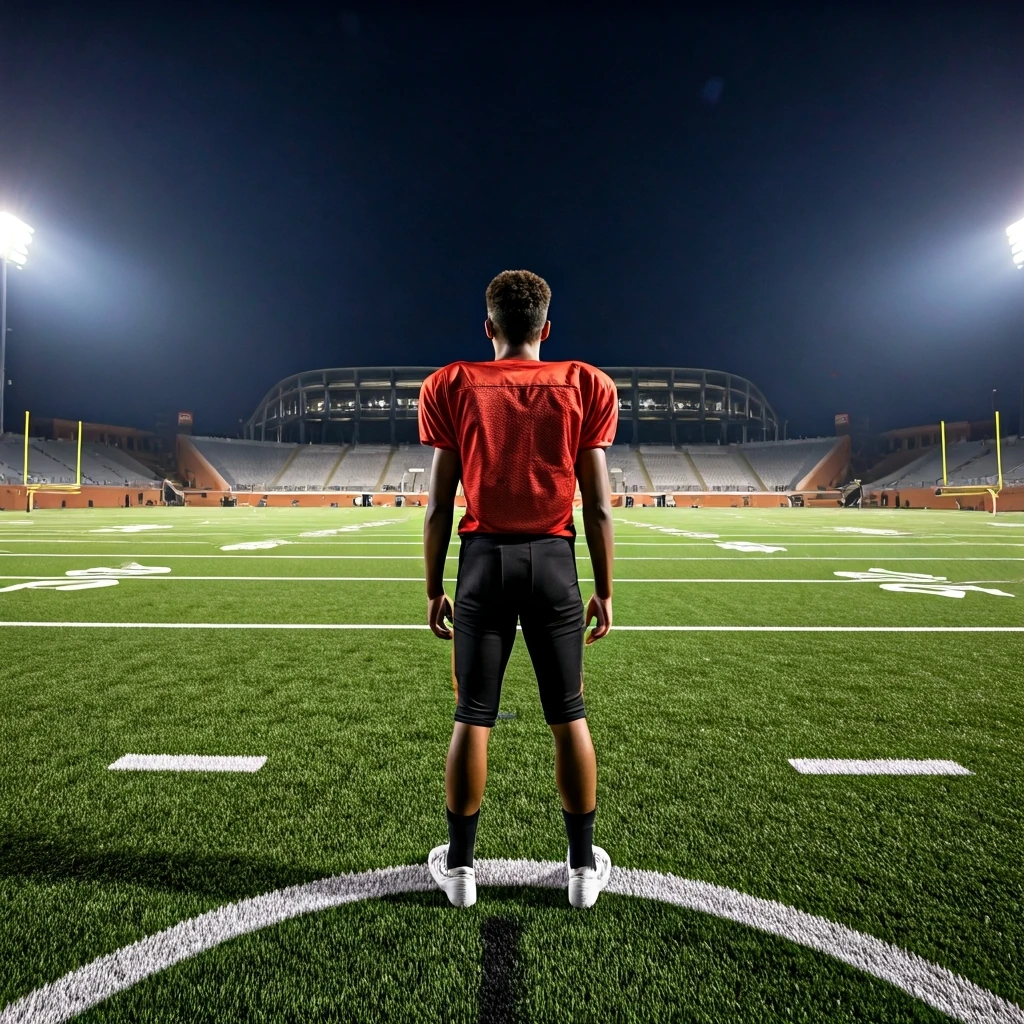
Fan Engagement and Atmosphere: Passion vs. Professionalism
Fan engagement hits different in college versus the pros. Get ready to dive into what makes each world tick, from roaring student sections to global spectacles.
The Electric Energy of College Campuses
Nothing beats the pure, unadulterated passion of a college game day. Campuses transform into vibrant festivals, fueled by deep-rooted traditions passed down through generations of students and alumni. The loyalty here runs incredibly deep, often lasting for life, creating an unbreakable bond with their institution’s teams.
Imagine massive tailgates, a vibrant sea of school colors, and student sections famous for their synchronized chants and unwavering support. This isn’t just about watching a game; it’s about being part of a tight-knit community, a shared identity that unites thousands. The atmosphere itself feels like a critical player, impacting every moment on the field.
This intense connection extends beyond the stadium. Fans follow athletes closely, celebrating their journey and even debating topics like College Athlete NIL Rights Explained, which has further integrated athletes into the fan narrative. The rich history and legacy of these programs also play a huge role, making every game feel like a continuation of a storied saga, a tradition explored in The History and Evolution of College Athletics.
Global Reach and Professional Spectacle
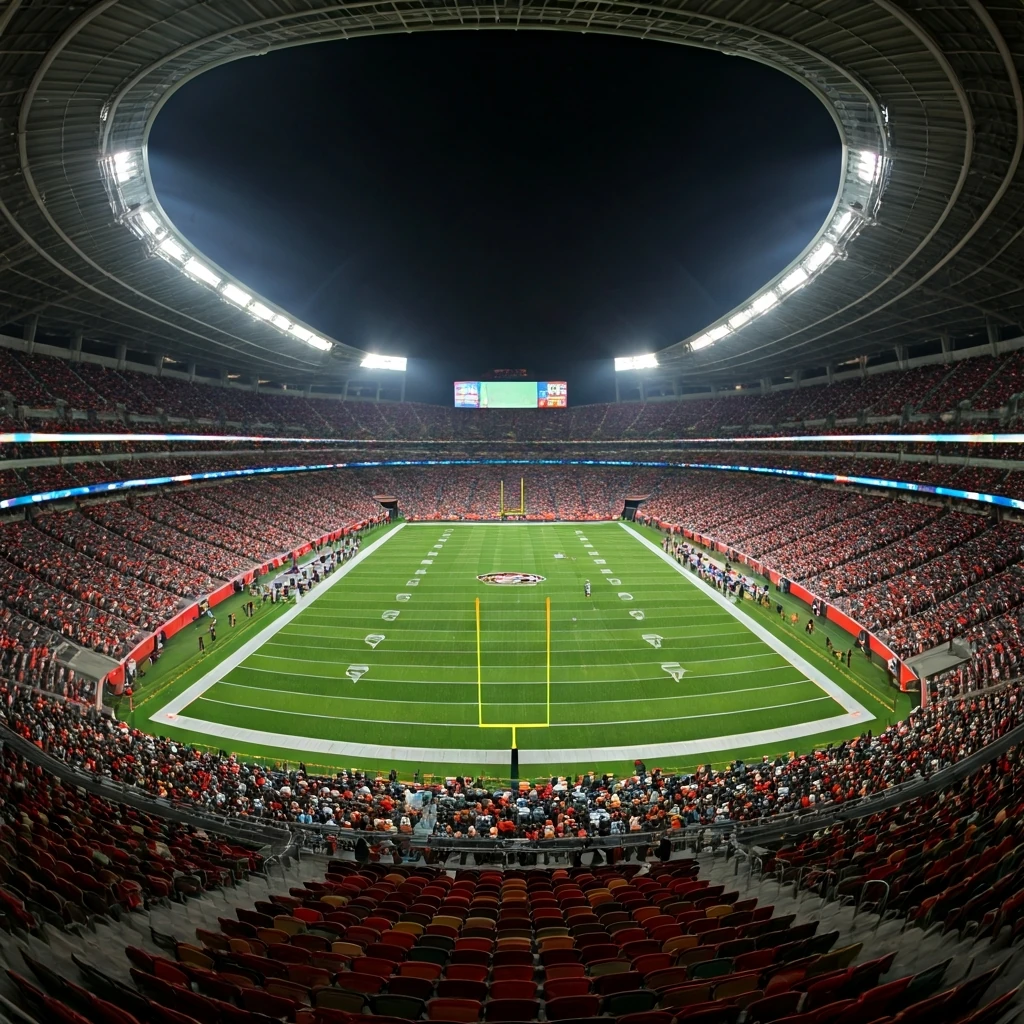
Professional sports, on the other hand, offer a different kind of thrill: a global spectacle of elite talent and high stakes. While fan loyalty is strong, it often centers more on the individual stars and the relentless pursuit of championships. The atmosphere is undeniably electric, driven by precision, power, and the absolute highest level of competition.
These games attract diverse audiences, from dedicated season ticket holders to casual international viewers. Stadiums are state-of-the-art arenas, meticulously designed for maximum entertainment and comfort. The focus shifts to the polished performance, strategic brilliance, and the sheer athleticism of the world’s best.
Here, the game day experience is a premium product, meticulously crafted for a broad consumer base. While the emotional investment might not always mirror the deeply personal connection found in college sports, the professional arena delivers unparalleled excitement and a constant drive for perfection that captivates millions.
Who’s calling the shots? The rules are radically different.
The NCAA Rulebook: Amateurism and Academic Standards
The NCAA is the big boss for college sports, setting the playbook for over 1,100 institutions. They’ve historically championed amateurism, meaning athletes couldn’t get paid directly for their athletic prowess. This core principle shaped college sports for decades, defining the essence of student-athletes.
However, the game changed dramatically with Name, Image, and Likeness (NIL) policies. Now, college athletes can finally monetize their personal brand, a monumental shift in how eligibility is viewed. For more details on this transformation, check out College Athlete NIL Rights Explained.
Beyond amateur status, academic standards are non-negotiable. Student-athletes must maintain specific GPAs and credit hour requirements to stay eligible. This constant juggling act ensures education remains a priority, reflecting the foundational principles explored in The History and Evolution of College Athletics.
League Operations and Player Associations
Shift to the pros, and you’re looking at a whole different ballgame of governance. Each professional league, like the NFL, NBA, or MLB, operates as its own powerful entity with specific rules. These leagues dictate everything from game conduct to team finances.
Player eligibility in the pros is typically tied to drafts, free agency, and age minimums. Aspiring athletes often navigate a complex system of scouting and agent negotiations to enter the professional ranks. For guidance on this journey, explore Pathways to Professional Sports: A Guide for Aspiring Athletes.
Crucially, professional athletes have a strong voice through their player associations or unions. These organizations negotiate collective bargaining agreements with the leagues, covering salaries, benefits, and player rights. This powerful mechanism ensures players have a say in their working conditions.

Career Trajectories: From College Stardom to Pro Dreams
From college hero to pro legend – or not. The journey is wild, and it starts here. Making it from college athlete to professional superstar? That’s the ultimate dream, the one every kid with a ball chases. It’s a leap from amateur glory to the big money and bright lights, a transition that defines careers.
But let’s be real: that jump is no joke. It’s a brutal grind, and for every athlete who touches pro turf, countless others are left wondering what could have been. The path is paved with ambition, talent, and a heavy dose of reality.
The NFL/NBA Draft: The Ultimate Pro Gateway
The NFL and NBA Drafts? These are pure theater, the make-or-break moments where college phenoms finally get their shot. Years of sweat, highlight reels, and intense scouting culminate in one night that can change everything.
Getting your name called is validation, but it’s just the start of another fierce battle. The competition for roster spots is insane, proving that even drafted players need to fight tooth and nail to stick around. Want to know more about getting noticed? Check out our guide on Pathways to Professional Sports: A Guide for Aspiring Athletes.
Life After the Game: Second Careers and Transitions
Even if you hit the jackpot and play professionally, the clock is always ticking. Pro careers are notoriously short, often ending way before athletes are ready to hang it up. So, what happens when the roar of the crowd fades?
Many former pros find themselves navigating a whole new game: civilian life. Transitioning out of a high-profile athletic identity can be super tough, requiring a major pivot and a whole new playbook for success.
Financial Planning and Athlete Support Programs
Let’s talk money, because even huge contracts can disappear fast if you’re not smart. Understanding personal finance is critical for athletes, preventing those “rags to riches to rags” stories we’ve all heard too many times.
Thankfully, leagues and player associations aren’t leaving athletes completely stranded. They’ve stepped up with programs offering everything from financial literacy workshops to career development and mental health support, helping players prepare for life beyond the field.
The Reality of Not Going Pro: Alternative Paths
Here’s the cold, hard truth: the vast majority of college athletes won’t ever sign a pro contract. It’s a brutal reality, but it doesn’t mean their journey ends when the final college whistle blows.
Many smart athletes leverage their education, network, and discipline to crush it in other fields. Think coaching, sports broadcasting, business, or entrepreneurship – the skills learned in competition are seriously transferable. Plus, with College Athlete NIL Rights Explained, some even build a brand and income stream before they even graduate, setting them up for future success regardless of pro status.

Societal Impact: Cultural Relevance and Community Ties
Sports aren’t just games; they’re the ultimate community glue. Both college and professional athletics wield immense power, shaping identities and bringing people together in unique ways. Their influence stretches far beyond arenas, touching local communities and national pride.
Unifying Communities Through College Athletics
College towns bleed team colors, uniting generations. University sports often become the very fabric of a community, fostering deep loyalties and a shared sense of purpose. Game days transform entire areas into vibrant hubs of celebration and collective spirit.
These events build lasting traditions, creating memories that span decades and connect alumni, students, and local residents. From pep rallies to tailgate parties, the emotional investment in a college team is profound, making athletes significant role models for younger fans dreaming of future glory. The deep roots of this connection are visible throughout The History and Evolution of College Athletics.
Professional Sports as Global Entertainment and Inspiration
Pro athletes are global legends, igniting passion worldwide. Professional sports, with their massive leagues and international reach, captivate audiences on a monumental scale. They often transcend local boundaries, becoming symbols of national identity and global entertainment.
Think about the national pride when a country’s team competes on the world stage, or how individual athletes inspire millions with their dedication and skill. These stars become cultural icons, driving trends and influencing generations, showcasing the potential of human achievement. Many aspiring athletes look to them as they explore Pathways to Professional Sports.
Ultimately, both college and professional sports serve as powerful cultural touchstones. They offer more than just competition; they provide shared experiences, inspire dreams, and solidify the bonds within and between communities, leaving an indelible mark on society.
The Evolving Landscape: Current Trends and Future Outlook
The game is always changing, right? College sports are currently in a whirlwind, especially with new rules for athlete welfare and the buzz around College Athlete NIL Rights Explained. The transfer portal has completely reshaped how teams are built, giving players more control. This constant evolution is redefining the student-athlete experience big time.
Professional leagues aren’t standing still either, constantly innovating with new tech and expanding their global footprint. We’re seeing more immersive fan experiences and a deeper dive into data analytics for player performance. The future points to even greater customization for fans and a continued emphasis on player health.
Both sports worlds are barreling towards a future where athletes have more agency and organizations are more agile. Whether it’s aspiring stars navigating Pathways to Professional Sports or leagues embracing cutting-edge tech, the athletic landscape is always evolving. Get ready for an exhilarating journey ahead!
The Enduring Appeal of Two Distinct Worlds
Ultimately, both NCAA and professional sports offer unique and compelling experiences, each with its own set of challenges, rewards, and passionate followers. College athletics, with its emphasis on education, community, and the raw passion of amateur competition, provides a vital developmental stage and a deeply personal connection for fans. Professional sports, on the other hand, represent the pinnacle of athletic achievement, a global spectacle driven by elite talent, high stakes, and significant financial incentives.
The journey from college hopeful to professional star is a testament to immense dedication, but the paths diverge significantly in terms of support, focus, and trade-offs. Understanding these distinctions enriches our appreciation for the entire sporting ecosystem, highlighting how both amateur and professional arenas contribute uniquely to the vibrant tapestry of athletic competition. Whether you’re drawn to the traditions of campus life or the polished performance of the pros, the world of sports continues to captivate and inspire millions.
Frequently Asked Questions
What are the main differences between NCAA and professional sports?
NCAA sports focus on student-athletes balancing academics with competition, promoting amateurism (though now with NIL). Professional sports are a full-time career for paid athletes, operating as a massive business with elite competition. The core distinction lies in their mission: amateur development versus commercialized, high-stakes performance.
How does player compensation differ in NCAA vs. professional sports?
NCAA athletes traditionally received scholarships, but with Name, Image, and Likeness (NIL) deals, they can now monetize their personal brand. Professional athletes earn substantial salaries through contracts, often reaching millions, supplemented by lucrative endorsement and sponsorship deals. Professional compensation is a full-time livelihood, while NIL in college is supplementary to their student status.
Can NCAA athletes pursue professional careers after college?
Yes, many NCAA athletes aspire to and successfully transition into professional sports. College athletics often serves as a crucial developmental pathway, preparing athletes for the rigorous demands of the professional arena. The NFL and NBA drafts, for instance, are primary gateways for college phenoms to enter the professional ranks.
What impact has NIL had on college sports?
Name, Image, and Likeness (NIL) policies have profoundly impacted college sports by allowing student-athletes to profit from their personal brand. This seismic shift has influenced recruitment, athlete branding, and the financial landscape of collegiate athletics. It has blurred the traditional lines of amateurism, offering athletes financial opportunities previously unavailable.
Which type of sports offers a better fan experience?
Both offer unique fan experiences. College sports are characterized by electric campus energy, deep-rooted traditions, and a strong sense of community, with fans often having lifelong loyalty to their institution. Professional sports provide a global spectacle of elite talent, high stakes, and polished performance in state-of-the-art arenas, captivating diverse international audiences with unparalleled excitement.