College Sports Broadcasting: New Streaming Deals & 2026 Impact
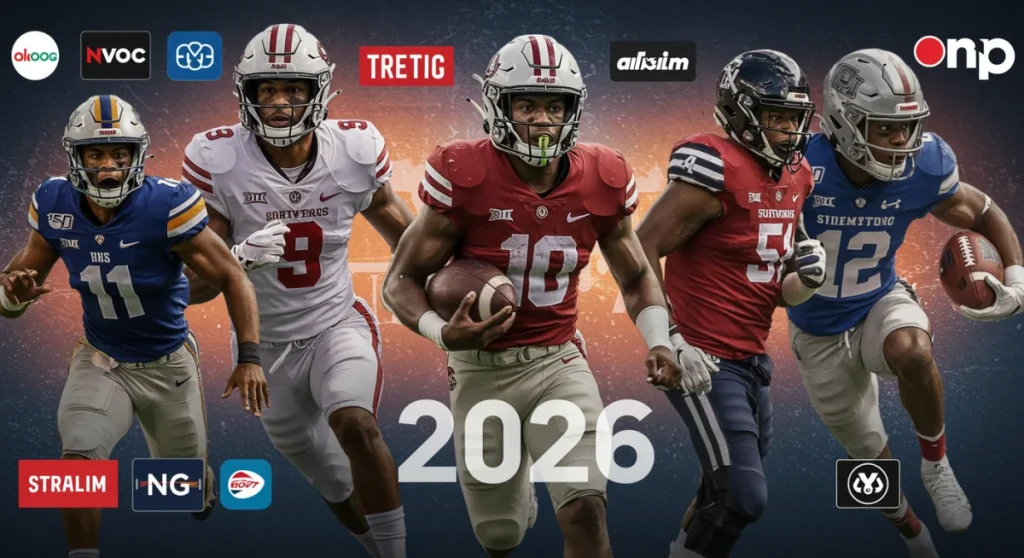
The evolution of college sports broadcasting is rapidly accelerating with new streaming deals and technological advancements, significantly enhancing fan access and reshaping the viewing experience by 2026.
The landscape of college sports is undergoing a monumental transformation, particularly concerning how fans consume their favorite games. With new streaming deals taking center stage, the **evolution of college sports broadcasting** is not just a gradual shift but a rapid revolution, fundamentally altering fan access and engagement by 2026.
The Digital Revolution: Shifting Paradigms in Sports Media
The traditional model of college sports broadcasting, dominated by linear television networks, is quickly being superseded by a digital-first approach. This shift is driven by evolving consumer habits, technological advancements, and the lucrative potential of direct-to-consumer streaming platforms.
As media consumption continues its inexorable march towards digital platforms, college sports are at the forefront of this transformation. Major conferences and institutions are forging partnerships that reflect this new reality, prioritizing accessibility and personalized viewing experiences over traditional appointment television.
From Cable to Clicks: The Rise of Streaming Platforms
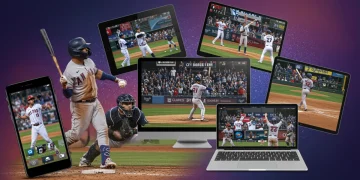
For decades, college sports were synonymous with Saturday afternoons on major networks. However, the rise of streaming services has shattered this exclusivity, offering fans unprecedented flexibility and choice. These platforms provide a diverse array of content, from live games to exclusive behind-the-scenes access.
- Increased Accessibility: Fans can now watch games on a multitude of devices, anytime, anywhere.
- Personalized Content: Streaming often allows for customized viewing experiences, including multiple camera angles and interactive features.
- New Revenue Streams: Digital deals unlock significant new financial opportunities for athletic programs.
- Global Reach: Streaming transcends geographical boundaries, bringing college sports to an international audience.
The implications of this digital revolution are far-reaching, affecting everything from media rights valuations to the way athletic departments strategize their fan engagement. The future of college sports viewing is undoubtedly digital, and the groundwork being laid now will define the experience for years to come.
Major Streaming Deals and Their Immediate Impact
Recent years have witnessed an explosion of groundbreaking streaming deals that are reshaping the college sports landscape. These agreements, often involving tech giants and established media players, are not just about broadcasting rights; they are about fundamentally redefining how fans interact with their favorite teams and athletes.
The financial stakes are higher than ever, with conferences leveraging their collective power to secure lucrative contracts that promise both increased revenue and broader exposure. These deals are a clear indicator of the value that live sports content holds in the competitive streaming market.
ESPN+ and the Big 12: A Case Study in Digital Expansion
One of the most significant developments has been the expanded partnership between ESPN and the Big 12 Conference, with ESPN+ playing a pivotal role. This deal grants the streaming service exclusive rights to numerous games, making it a crucial destination for Big 12 fans.
This move has effectively shifted a substantial portion of the conference’s content from traditional cable to a subscription-based streaming model. It represents a calculated risk and a bold step into the future, aiming to capture a younger, digitally native audience while maintaining engagement with existing fans.
- Exclusive Content: Many games are now only available on ESPN+.
- Subscriber Growth: Drives new subscriptions to the platform.
- Fan Adaptation: Requires fans to adapt to new viewing habits and potentially new subscriptions.
The immediate impact of such deals is multifaceted. While they offer unprecedented access to a wider array of games, they also introduce new costs and complexities for fans who may need to subscribe to multiple services to follow all their desired content. This delicate balance between access and affordability will be a key theme moving forward.
The 2026 Horizon: What Fan Access Will Look Like
Looking ahead to 2026, the landscape of college sports broadcasting will be markedly different from today. The foundational streaming deals currently being struck will have fully matured, and their impact on fan access will be undeniable. Expect a highly fragmented yet incredibly rich viewing experience.
By 2026, the concept of a single, all-encompassing broadcast package for college sports will likely be a relic of the past. Instead, fans will navigate a diverse ecosystem of platforms, each offering unique content and catering to specific preferences.
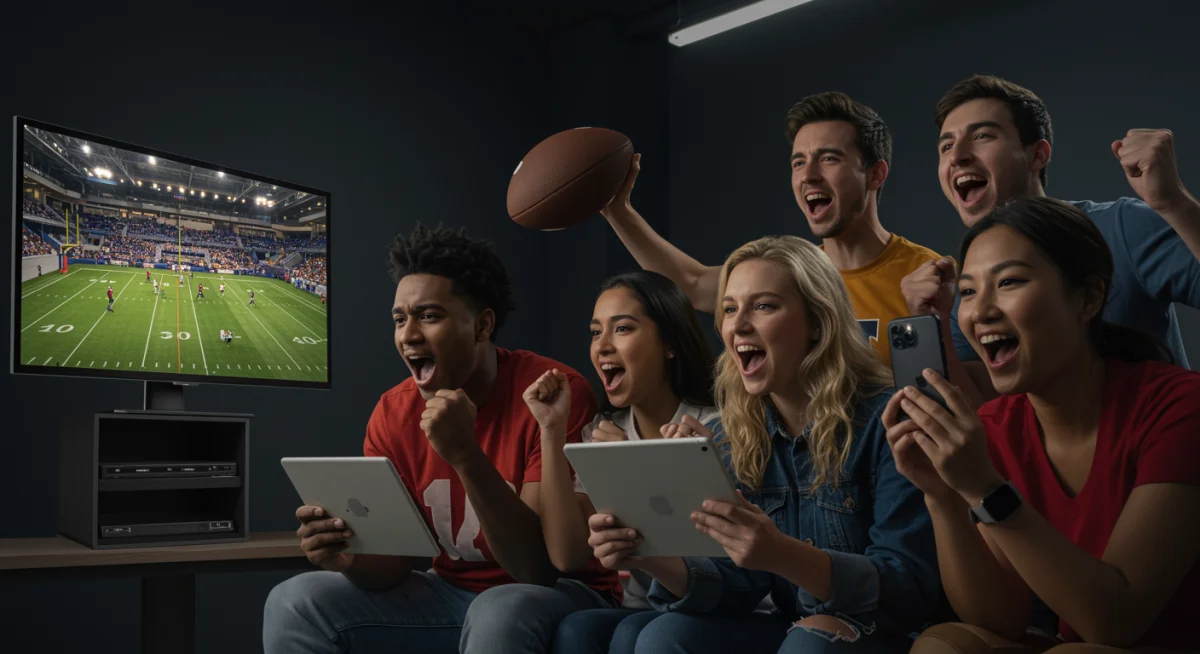
Hyper-Personalization and Interactive Viewing
The future of fan access will not just be about where you watch, but how you watch. Streaming technology will enable hyper-personalized experiences, allowing fans to customize their broadcasts with different commentators, statistical overlays, and even real-time player tracking.
Interactive elements, such as in-game polling, fantasy sports integration, and direct fan engagement with broadcasters, will become standard. This level of immersion will transform passive viewing into an active, participatory experience, drawing fans deeper into the game.
- Multi-platform Availability: Seamless viewing across TVs, tablets, phones, and even VR devices.
- Customizable Feeds: Choose your commentators, camera angles, and data visualizations.
- Enhanced Interactivity: Real-time polls, fantasy integration, and social media feeds integrated into broadcasts.
The accessibility of content will be paramount. While fans may need multiple subscriptions, the sheer volume of available games, combined with the flexibility of on-demand viewing, will offer an unparalleled level of choice and convenience. The challenge will be in navigating this abundance effectively.
Challenges and Opportunities for Conferences and Networks
The rapid evolution of college sports broadcasting presents both significant challenges and unparalleled opportunities for conferences and media networks. Adapting to this new environment requires strategic foresight, technological investment, and a deep understanding of fan behavior.
For conferences, the primary challenge lies in balancing revenue generation with fan accessibility. Over-saturating the market with exclusive content across too many platforms could lead to subscriber fatigue and alienation, while under-utilizing digital channels could result in missed financial opportunities.
Navigating Fragmentation and Subscription Fatigue
The proliferation of streaming services means that fans may need to subscribe to several platforms to watch all their desired teams and sports. This fragmentation can lead to ‘subscription fatigue,’ where consumers become reluctant to add more monthly expenses.
Networks, on the other hand, face the challenge of differentiating their offerings in a crowded market. They must invest in high-quality production, innovative features, and compelling content to attract and retain subscribers.
- Content Differentiation: Creating unique programming and features to stand out.
- Pricing Strategies: Finding the sweet spot between affordability and profitability.
- Technological Infrastructure: Ensuring robust streaming capabilities to handle peak demand.
The opportunities, however, are immense. Digital platforms allow for unprecedented data collection on viewer habits, enabling more targeted advertising and personalized content delivery. This data can inform future programming decisions and enhance the overall fan experience, creating a virtuous cycle of engagement and growth.
The Role of Technology in Enhancing the Fan Experience
Technology is not merely a conduit for broadcasting; it is an active participant in shaping the college sports viewing experience. From enhanced production techniques to immersive viewing technologies, innovation is at the heart of the evolution of college sports broadcasting.
The advancements in streaming infrastructure, data analytics, and interactive platforms are paving the way for a future where watching a college game is more engaging and personalized than ever before. These technological leaps are critical for keeping pace with fan expectations.
AI, VR, and Augmented Reality: The Next Frontier
By 2026, expect to see more widespread integration of artificial intelligence (AI), virtual reality (VR), and augmented reality (AR) into college sports broadcasts. AI can provide real-time statistical insights, predictive analytics, and even personalized highlights packages.
VR and AR will offer truly immersive experiences, allowing fans to feel as if they are in the stadium, or even on the sidelines, regardless of their physical location. These technologies promise to bridge the gap between in-person and at-home viewing, creating entirely new ways to consume sports content.
- AI-driven Analytics: Real-time stats and predictive outcomes enhancing game analysis.
- Virtual Reality Spectator Mode: Immersive 360-degree views from various vantage points.
- Augmented Reality Overlays: On-screen graphics providing deeper context and interactive elements.
Beyond these cutting-edge technologies, simpler innovations like improved user interfaces, seamless multi-device synchronization, and enhanced search functionalities will also contribute significantly to a more fluid and enjoyable fan experience. The goal is to make accessing and enjoying college sports as effortless and rewarding as possible.
Economic Implications: Revenue, Sponsorships, and Athlete Compensation
The financial underpinnings of college sports are being profoundly impacted by the shift to streaming. New broadcasting deals represent staggering sums of money, directly influencing conference revenues, institutional budgets, and even the future of athlete compensation.
The increased visibility and broader reach afforded by streaming platforms also translate into greater opportunities for sponsorships and advertising. Brands are eager to connect with the passionate and diverse audience that college sports command, especially as viewership shifts to digital channels where engagement metrics are more precise.
NIL and the Digital Era: A New Economic Model
The advent of Name, Image, and Likeness (NIL) rights has further complicated and enriched the economic landscape. Streaming platforms provide athletes with direct avenues to build their personal brands and monetize their popularity, independent of institutional control.
This creates a new economic model where athletes can directly benefit from their exposure on these digital platforms, potentially leading to a more equitable distribution of the vast revenues generated by college sports. By 2026, NIL deals facilitated by streaming visibility will be commonplace.
- Increased Conference Revenue: Larger media rights deals boost financial stability for conferences.
- Sponsorship Opportunities: Digital platforms offer new avenues for brands to reach fans.
- Athlete Empowerment: NIL deals allow athletes to capitalize on their digital presence and popularity.
The economic ripple effect of these changes extends to facility upgrades, coaching salaries, and overall program development. The financial health of college athletics is increasingly tied to the success of its digital broadcasting strategy, making these streaming deals not just about viewership, but about the very sustainability and growth of the sports themselves.
The Future of Fan Engagement and Community Building
Beyond simply watching games, the evolution of college sports broadcasting is profoundly influencing how fans engage with their teams and build communities. Streaming platforms are becoming central hubs for interaction, discussion, and collective celebration, fostering a deeper sense of belonging.
The digital realm offers unprecedented opportunities for fans to connect with each other, share their passion, and participate in the broader narrative of college sports. By 2026, these online communities will be as vital to the fan experience as attending a game in person.
Social Integration and Digital Fan Zones
Expect tighter integration between streaming platforms and social media. Watch parties, live chats, and interactive polls will become standard features, allowing fans to experience games collectively even when physically apart. Digital fan zones, offering exclusive content, merchandise, and virtual meet-and-greets, will flourish.
These digital environments will not only enhance the game-day experience but also extend fan engagement throughout the off-season, keeping communities vibrant and connected year-round. The ability to instantly share reactions and discuss plays will amplify the emotional connection to the sport.
- Interactive Watch Parties: Synchronized viewing with live chat and reaction features.
- Exclusive Digital Content: Behind-the-scenes access, player interviews, and archival footage.
- Virtual Community Hubs: Platforms for fans to connect, share opinions, and celebrate.
Ultimately, the future of college sports broadcasting is about creating a holistic, immersive, and interconnected experience for fans. It’s about leveraging technology to not only deliver content but also to cultivate a thriving, global community around the shared passion for college athletics, ensuring that the spirit of the game continues to captivate new generations.
| Key Aspect | Description of Impact by 2026 |
|---|---|
| Fan Access | Highly fragmented but personalized access across multiple streaming platforms, offering unprecedented choice. |
| Technology Integration | Widespread use of AI, VR, and AR for immersive and interactive viewing experiences. |
| Economic Model | Significant revenue shifts from traditional TV to streaming, empowering NIL opportunities for athletes. |
| Community Building | Enhanced digital fan zones and social integration fostering stronger online communities. |
Frequently Asked Questions About College Sports Broadcasting
By 2026, you’ll likely access college sports through a more diverse set of streaming platforms, offering personalized viewing options, interactive features, and potentially requiring subscriptions to multiple services to catch all desired games. The viewing experience will be more flexible and on-demand.
While streaming will dominate, traditional TV channels will still play a role, particularly for major national games and championship events. However, a significant portion of regular-season games, especially those from smaller conferences or less popular sports, will likely be exclusive to streaming platforms.
Expect greater integration of AI for real-time analytics, virtual reality (VR) for immersive stadium experiences, and augmented reality (AR) for enhanced on-screen graphics. These technologies will make broadcasts more interactive and personalized, deepening fan engagement.
New streaming deals increase athlete visibility, providing more platforms for them to build personal brands. This expanded exposure directly fuels Name, Image, and Likeness (NIL) opportunities, allowing athletes to monetize their popularity through endorsements and sponsorships tied to their digital presence.
Fans might face challenges such as subscription fatigue, needing to pay for multiple streaming services to follow all their teams, and navigating a fragmented content landscape. However, these are often balanced by increased accessibility, flexibility, and a wider variety of content.
Conclusion
The evolution of college sports broadcasting, propelled by new streaming deals and relentless technological innovation, is fundamentally reshaping the fan experience. By 2026, we anticipate a landscape characterized by unprecedented access, hyper-personalized viewing, and deeply integrated digital communities. While challenges like subscription fatigue exist, the opportunities for enhanced engagement, economic growth, and athlete empowerment are immense, promising a vibrant and dynamic future for college sports fans across the nation.