Transfer Portal Impact: Top 20 College Football Rosters 2026

The college football transfer portal significantly reshaped top 20 rosters in 2026, leading to unprecedented player movement and strategic adjustments by programs vying for national contention.
The landscape of collegiate athletics is in constant flux, and few mechanisms have driven more significant change than the NCAA transfer portal. This 3-month analysis delves into the impact of transfer portal changes on college football rosters, specifically examining the top 20 programs in 2026. Understanding these shifts is crucial for fans, coaches, and analysts alike, as the portal continues to redefine team building and competitive balance.
Understanding the Evolving Transfer Portal Landscape in 2026
The transfer portal, while not new, has seen its rules and implications evolve considerably by 2026. This evolution has created a dynamic environment where player movement is more fluid, presenting both opportunities and challenges for programs aiming for national success. The initial three months of the portal’s open window have historically been the most active, setting the tone for the upcoming season’s roster compositions.
By 2026, the nuances of Name, Image, and Likeness (NIL) deals have become inextricably linked with portal decisions. Players often weigh not only playing time and coaching relationships but also the financial incentives available at different institutions. This adds another layer of complexity to an already intricate system, influencing where top talent ultimately lands.
Key Changes and Their Immediate Effects
- Increased Player Mobility: The relaxation of previous transfer restrictions means players can move with greater ease, seeking better opportunities or new beginnings without sitting out a year.
- Strategic Recruiting Shifts: Coaches now balance traditional high school recruiting with aggressive portal recruitment, often targeting proven collegiate talent over unproven freshmen.
- NIL’s Growing Influence: The financial aspect of NIL has become a significant factor in attracting and retaining talent, leading to complex negotiations and competitive bidding wars.
The immediate effects of these changes are profound. Rosters are no longer built solely through high school recruiting classes; they are constantly being optimized through strategic portal acquisitions. This requires a different kind of foresight and adaptability from coaching staffs, who must now manage a more fluid and less predictable talent pool.
Ultimately, the evolving transfer portal landscape in 2026 demands a sophisticated approach to roster management. Programs that can effectively navigate the complexities of player movement, NIL considerations, and strategic recruitment are the ones that will thrive and maintain their competitive edge in the highly competitive world of college football.
Analyzing Roster Stability Among Top 20 Programs
Roster stability, once a cornerstone of successful college football programs, has been dramatically challenged by the transfer portal. Our 3-month analysis of the top 20 programs in 2026 reveals a fascinating dichotomy: some programs have managed to retain core talent, while others have embraced significant turnover as a means to upgrade or retool. The ability to maintain continuity while also strategically leveraging the portal is a hallmark of elite team building in the modern era.
For many top-tier teams, the goal isn’t necessarily to avoid the portal entirely, but rather to manage its impact effectively. This means identifying key positions where upgrades are needed and targeting specific players who can fill those roles. Simultaneously, efforts are made to retain existing star players, often through enhanced NIL opportunities and clear pathways to playing time.
Programs Embracing Strategic Turnover
Several programs within the top 20 have used the portal to their advantage, actively seeking out players to fill gaps or replace departing talent. This approach can be risky, but when executed well, it can lead to rapid improvements in specific areas.
- Targeted Position Upgrades: Teams often focus on positions like quarterback, offensive line, or defensive back, where immediate impact players can significantly elevate performance.
- Filling Depth Chart Voids: The portal is invaluable for quickly adding experienced depth, especially after unexpected departures or injuries.
- Cultural Alignment: Beyond talent, coaches often seek players who fit the team’s culture and system, reducing potential friction or adjustment periods.
Conversely, programs that have historically relied on long-term player development face a steeper challenge in adapting to this new landscape. While player development remains vital, the pressure to win immediately often necessitates quicker roster adjustments, making the portal an indispensable tool.
In conclusion, roster stability is no longer a static concept but a dynamic balance between retention and strategic acquisition. The top 20 programs in 2026 that have mastered this balance are the ones best positioned for sustained success, demonstrating an adaptive approach to an ever-changing collegiate sports environment.
Strategic Player Acquisitions: Who’s Coming In?
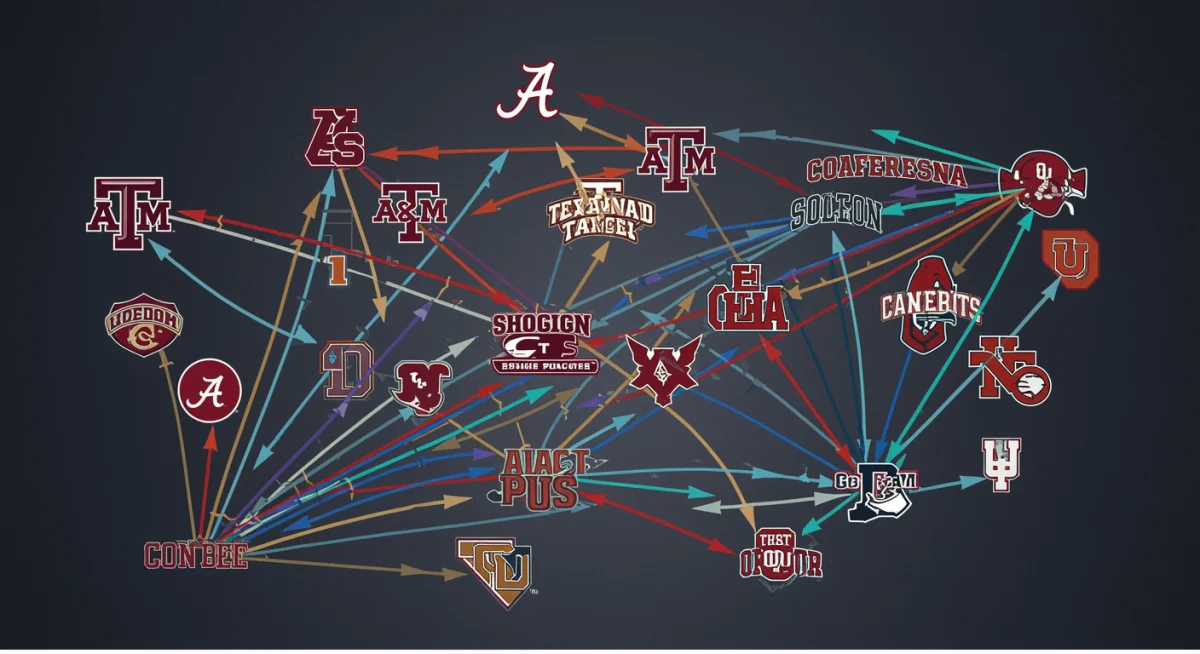
The influx of talent via the transfer portal is a critical component of roster construction for top college football programs in 2026. Our 3-month snapshot reveals that strategic player acquisitions are not random but highly calculated, often targeting specific needs identified by coaching staffs. These incoming transfers frequently represent immediate impact players, capable of stepping into starting roles or providing crucial depth from day one.
The recruitment process for portal players is often accelerated compared to high school recruiting. Coaches prioritize players with collegiate experience, a proven track record, and a clear understanding of what they seek in a new program. This efficiency is vital, especially given the tight timelines associated with the portal windows.
Impactful Transfer Examples Among Top Teams
- Quarterback Transfers: Elite signal-callers are always in high demand, and several top programs secured high-profile quarterback transfers, indicating a focus on immediate offensive leadership.
- Defensive Line Reinforcements: Many teams prioritized adding experienced defensive linemen to bolster their pass rush and run defense, recognizing the importance of controlling the line of scrimmage.
- Playmaking Skill Position Players: Wide receivers and defensive backs with proven production at other schools were also highly sought after, adding explosive talent to offensive and defensive schemes.
The success of these acquisitions often hinges on a seamless integration into the new team’s system and culture. Coaching staffs dedicate significant resources to ensuring that transfers feel welcome and quickly adapt to their new environment, maximizing their potential impact on the field.
In essence, strategic player acquisitions through the transfer portal are a high-stakes game of chess. The top 20 programs that are most adept at identifying, recruiting, and integrating these players are the ones that will ultimately see their national championship aspirations bolstered. It’s a testament to the evolving nature of team building in modern college football.
Notable Departures: Who’s Moving On?
While incoming talent captures headlines, the significant number of notable departures through the transfer portal also tells a compelling story about the state of college football rosters in 2026. Within the top 20 programs, players opt to leave for various reasons, including seeking more playing time, a better fit for their skillset, or increased NIL opportunities. These departures, particularly of key starters or highly touted recruits, can create immediate challenges for their former teams.
The reasons for a player’s departure are often multifaceted. Sometimes it’s a clear path to a starting role elsewhere, other times it’s a desire for a change of scenery or a different coaching philosophy. The impact on the departing team can range from minor depth chart adjustments to significant holes that need to be filled urgently.
Reasons Behind Player Exits
- Pursuit of Starting Roles: Players often transfer when they see a clearer path to being a starter at another institution, especially if they’ve been stuck behind established talent.
- NIL Opportunities: The financial incentives offered by other programs can be a powerful motivator, leading players to explore options where their market value is higher.
- Coaching Changes or Scheme Fit: A new coaching staff or a change in offensive/defensive scheme can prompt players to seek programs that better align with their strengths.
- Academic or Personal Reasons: While less common, academic opportunities or personal circumstances can also play a role in a player’s decision to transfer.
Managing these departures is as crucial as managing acquisitions. Programs must have contingency plans in place, whether through developing existing talent, targeting specific portal replacements, or adjusting their strategic approach. The ability to mitigate the loss of key players is a hallmark of resilient top-tier programs.
Ultimately, the transfer portal is a two-way street. While it brings in new talent, it also facilitates the departure of others. Understanding who is moving on, and why, provides critical insights into the underlying dynamics of roster management and the continuous evolution of college football in 2026.
The Impact of NIL on Transfer Decisions in 2026
By 2026, Name, Image, and Likeness (NIL) has cemented its role as a fundamental driver in college football transfer decisions. What began as a nascent opportunity for athletes has evolved into a sophisticated ecosystem where financial incentives significantly influence where top talent chooses to play. For the top 20 programs, NIL collectives and strategic partnerships are now integral to both attracting and retaining players, directly impacting roster stability and competitive advantage.
The integration of NIL into the transfer process means that programs are not just competing on athletic facilities, coaching prowess, or academic reputation. They are also competing on the financial packages they can offer. This has led to a more transactional element in recruiting, where players and their representatives carefully evaluate the economic benefits alongside traditional football considerations.
NIL’s Influence on Roster Building
- Competitive Bidding: Top-tier players often find themselves with multiple NIL offers, creating a competitive market that drives up the value of their services.
- Retention Strategies: Programs use NIL opportunities to retain star players who might otherwise explore the portal, effectively creating ‘stay bonuses’ through various endorsement deals.
- Attracting Elite Transfers: NIL packages are frequently a major selling point for programs trying to lure high-impact transfers, particularly those who can make an immediate difference.
The ethical considerations and long-term sustainability of NIL in this context remain subjects of ongoing debate. However, its immediate impact on the transfer portal is undeniable. Programs that have robust and well-managed NIL operations are often at a distinct advantage in the battle for talent.
In conclusion, NIL is no longer a peripheral factor but a central pillar in the decision-making process for college football transfers in 2026. Its profound influence on roster dynamics underscores the need for programs to adapt their strategies to this new financial reality, ensuring they remain competitive in an increasingly commercialized landscape.
Long-Term Implications for Program Building
The continuous churn facilitated by the transfer portal, particularly among the top 20 programs in 2026, carries significant long-term implications for how college football programs are built and sustained. The traditional model of developing high school recruits over several years is now complemented by, and sometimes overshadowed by, the immediate impact philosophy of portal acquisitions. This shift fundamentally alters coaching strategies, player development pathways, and even program identity.
One major implication is the potential for reduced loyalty and continuity. While the portal offers opportunities, it also creates an environment where players can move freely, potentially disrupting team chemistry and long-term strategic planning. Programs must find ways to foster strong team bonds and a cohesive culture amidst this greater fluidity.
Challenges and Opportunities in Program Building
- Developing a Hybrid Recruiting Strategy: Programs must master both high school and portal recruiting, balancing the need for long-term development with immediate roster upgrades.
- Maintaining Team Chemistry: The constant flux of players requires coaches to be exceptionally skilled at integrating new talent and fostering a strong team culture quickly.
- Impact on Player Development: There’s a risk that less emphasis might be placed on developing younger players if programs can consistently acquire proven talent through the portal.
- Branding and Identity: A stable roster often contributes to a program’s identity. Frequent changes can make it harder for fans to connect with players over multiple seasons.
Conversely, the portal offers opportunities for rapid rebuilds and the ability to address pressing needs almost instantly. This can shorten championship windows for successful programs and provide quicker routes to contention for those seeking to climb the ranks.
Ultimately, the long-term implications of the transfer portal for program building in 2026 suggest a future where adaptability, strategic foresight, and a nuanced understanding of player motivations will be paramount. Programs that can navigate these complexities while maintaining a strong foundational culture will be the ones that achieve lasting success in this dynamic era of college football.
Coaching Strategies and Adaptations for 2026
Coaching strategies in college football have undergone a profound transformation by 2026, largely in response to the pervasive influence of the transfer portal. For the top 20 programs, adapting to this new reality is not merely an option but a necessity for sustained competitiveness. Coaches are no longer just recruiters and strategists; they are also adept talent managers, constantly evaluating their roster against the ever-present opportunities and threats posed by player movement.
The traditional coaching playbook has expanded to include a sophisticated understanding of portal dynamics. This involves not only identifying potential recruits but also proactively managing relationships with current players to mitigate departures and leveraging data analytics to pinpoint specific roster needs that the portal can address.
Key Coaching Adaptations
- Proactive Roster Management: Coaches must continuously assess their roster, identifying potential holes before they arise and having a list of target portal players ready.
- Enhanced Player Communication: Maintaining open and honest communication with players about their roles, development, and future opportunities is crucial to prevent discontent and portal entries.
- Strategic Use of Analytics: Data-driven insights are increasingly used to evaluate both incoming and outgoing transfers, helping coaches make informed decisions about player value and fit.
- NIL Integration: Coaches must work closely with their program’s NIL collectives to ensure competitive offers are available, both for retention and recruitment.
The pressure on coaching staffs has intensified, as the margin for error in roster construction has significantly narrowed. A misstep in the portal can have immediate and severe consequences for a team’s performance, making strategic adaptations more critical than ever.
In conclusion, coaching strategies in 2026 are defined by adaptability and a comprehensive understanding of the transfer portal’s multifaceted impact. The most successful programs are led by coaches who have not just accepted these changes but have actively embraced them, turning potential challenges into strategic advantages in the relentless pursuit of college football excellence.
| Key Aspect | Brief Description |
|---|---|
| Roster Dynamics | Top 20 programs show a blend of strategic turnover and core retention due to portal activity. |
| NIL Influence | NIL deals are crucial in attracting and retaining talent, directly impacting transfer decisions. |
| Coaching Adaptations | Coaches employ proactive roster management, enhanced communication, and analytics to navigate the portal. |
| Program Building | Long-term program stability now relies on a hybrid recruiting approach combining high school and portal talent. |
Frequently Asked Questions About the Transfer Portal’s Impact
The transfer portal has fundamentally shifted roster building by enabling more fluid player movement. Programs now actively balance high school recruiting with targeted portal acquisitions, often prioritizing immediate impact players. This requires constant adaptation and strategic management to maintain competitive rosters.
By 2026, NIL (Name, Image, and Likeness) deals are a major factor in transfer decisions. Players often weigh financial incentives alongside playing time and coaching relationships. Programs with robust NIL collectives have a significant advantage in attracting and retaining top talent through the portal.
Top 20 programs are experiencing a dynamic blend of stability and turnover. While some aim to retain core talent, many strategically use the portal to upgrade specific positions or fill depth chart voids. The key is managing this flux effectively to maintain a competitive edge rather than avoiding it entirely.
Coaches adapt by implementing proactive roster management, enhancing player communication, and utilizing analytics to inform transfer decisions. They also integrate NIL strategies to attract and retain talent. This requires a more dynamic and less traditional approach to team building and player development.
Long-term implications include a greater emphasis on hybrid recruiting (high school and portal), challenges in maintaining team chemistry, and a potential shift in player development focus. Programs must prioritize adaptability and cultural cohesion to thrive in an era of increased player mobility and rapid roster changes.
Conclusion
The 3-month analysis of the top 20 college football programs in 2026 underscores the profound and irreversible impact of the transfer portal. This mechanism has redefined roster construction, making strategic player acquisition and retention through a combination of traditional recruiting and aggressive portal engagement paramount. NIL’s pervasive influence further complicates decisions, transforming player movement into a sophisticated dance of athletic ambition and financial opportunity. As college football continues to evolve, programs that master the art of navigating this dynamic landscape, balancing continuity with strategic turnover, will undoubtedly emerge as the perennial contenders for national glory.