NCAA NIL Rules 2026: College Athlete Compensation & Revenue Share
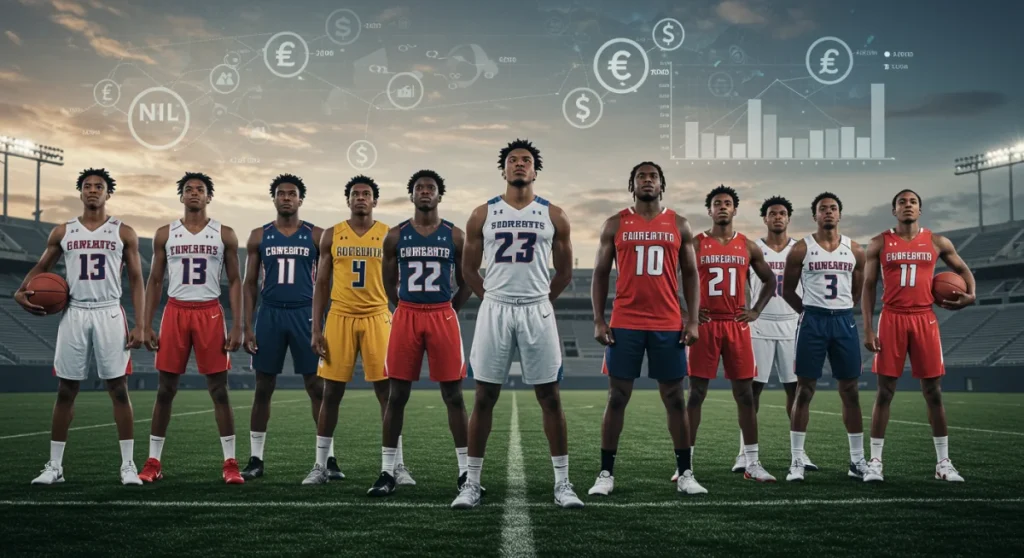
The NCAA NIL Rules 2026 are set to transform college athletics, introducing new compensation guidelines and a significant 15% revenue share for athletes, fundamentally reshaping the financial landscape for student-athletes nationwide.
The landscape of college athletics is undergoing a monumental shift, and at the heart of this transformation are the impending NCAA NIL Rules 2026. These aren’t just minor adjustments; they represent a fundamental rethinking of how student-athletes can benefit from their own name, image, and likeness (NIL), introducing new compensation guidelines and a groundbreaking 15% revenue share. For any current or aspiring college athlete, understanding these changes is not merely beneficial—it’s essential for navigating their future in collegiate sports.
The Genesis of NIL: A Brief History and Evolution
The concept of Name, Image, and Likeness (NIL) rights for college athletes is a relatively recent development, but its roots trace back decades to debates about amateurism and fairness in collegiate sports. For years, the NCAA maintained strict rules preventing athletes from profiting from their own identities, even as universities and athletic conferences generated billions of dollars. This long-standing paradigm began to crumble under increasing legal and public pressure, culminating in the monumental Supreme Court decision in NCAA v. Alston.
From Amateurism to Athlete Empowerment
The traditional NCAA model, built on the principle of amateurism, argued that paying athletes would compromise the integrity of college sports. However, critics argued this model exploited athletes, particularly those from lower socioeconomic backgrounds, who generated immense revenue for their institutions without direct compensation. The push for NIL rights gained significant traction as states began passing their own legislation, forcing the NCAA’s hand.
- Early Challenges: Legal battles questioning the NCAA’s amateurism rules laid the groundwork for change.
- State Legislation: States like California led the way, enacting laws that allowed athletes to monetize their NIL.
- Supreme Court Intervention: The Alston decision in 2021 was a watershed moment, affirming that the NCAA could not limit education-related benefits for athletes.
Following the Alston ruling, the NCAA implemented an interim NIL policy in July 2021, allowing athletes to engage in NIL activities without violating NCAA rules, provided these activities complied with state laws where applicable. This interim policy, while a significant step, also created a patchwork of regulations across different states and institutions, leading to inconsistencies and a complex compliance environment.
The Need for Uniformity and Structure
The current NIL landscape, while offering unprecedented opportunities, is often characterized by its lack of uniformity. Athletes, coaches, and administrators have called for clearer, more consistent national guidelines to ensure fairness and prevent abuses. This demand for a more structured approach is a primary driver behind the development of the NCAA NIL Rules 2026, which aim to standardize regulations and introduce more robust frameworks for athlete compensation, including the revolutionary 15% revenue share model. This evolution signifies a move towards a more professionalized and equitable system for collegiate athletes.
Understanding New Compensation Guidelines
The upcoming NCAA NIL Rules 2026 are set to introduce a more structured and potentially more lucrative compensation framework for college athletes. Beyond individual endorsement deals, these new guidelines aim to create a more direct financial pathway for athletes, aligning their compensation more closely with the value they generate for their institutions and the broader collegiate sports ecosystem.
Direct Payments and Revenue Sharing
One of the most significant aspects of the new guidelines is the potential for direct payments from institutions to athletes. While the initial NIL era focused on third-party endorsements, the 2026 rules anticipate a scenario where universities can directly compensate athletes, moving beyond the traditional scholarship-only model. This shift acknowledges the professional nature of high-level college sports and the substantial contributions of athletes.
- Performance-Based Incentives: Potential for bonuses tied to athletic performance, academic achievement, or team success.
- Institutional NIL Programs: Universities may establish official NIL programs to facilitate and manage endorsement opportunities and direct payments.
- Collective Bargaining Potential: The long-term vision could include collective bargaining agreements, giving athletes more power in negotiating terms.
These new compensation structures are designed to provide greater financial stability and reward for athletes, moving away from a system where only a select few with high-profile endorsements could significantly benefit. The goal is to distribute the financial rewards more broadly across athletic programs, ensuring more athletes have access to direct compensation opportunities.
Impact on Recruiting and Athlete Retention
The new compensation guidelines will undoubtedly have a profound impact on recruiting. Universities with robust NIL programs and clear compensation structures will likely become more attractive destinations for top talent. Athletes will not only consider athletic and academic fit but also the financial opportunities available through their chosen institution. This could lead to increased competition among universities to offer compelling NIL packages.
Furthermore, these guidelines are expected to play a crucial role in athlete retention. By providing avenues for direct and significant compensation, institutions can incentivize athletes to remain with their programs for their full eligibility, reducing the temptation to transfer in pursuit of better financial opportunities elsewhere. The clarity and fairness of these compensation models under the NCAA NIL Rules 2026 will be key to fostering a stable and rewarding environment for student-athletes.
The Revolutionary 15% Revenue Share Model
Perhaps the most talked-about and potentially transformative element of the NCAA NIL Rules 2026 is the introduction of a 15% revenue share model. This unprecedented move marks a significant departure from the NCAA’s historical stance on athlete compensation, directly linking athletes’ financial well-being to the commercial success of collegiate athletics.
How the Revenue Share Will Work
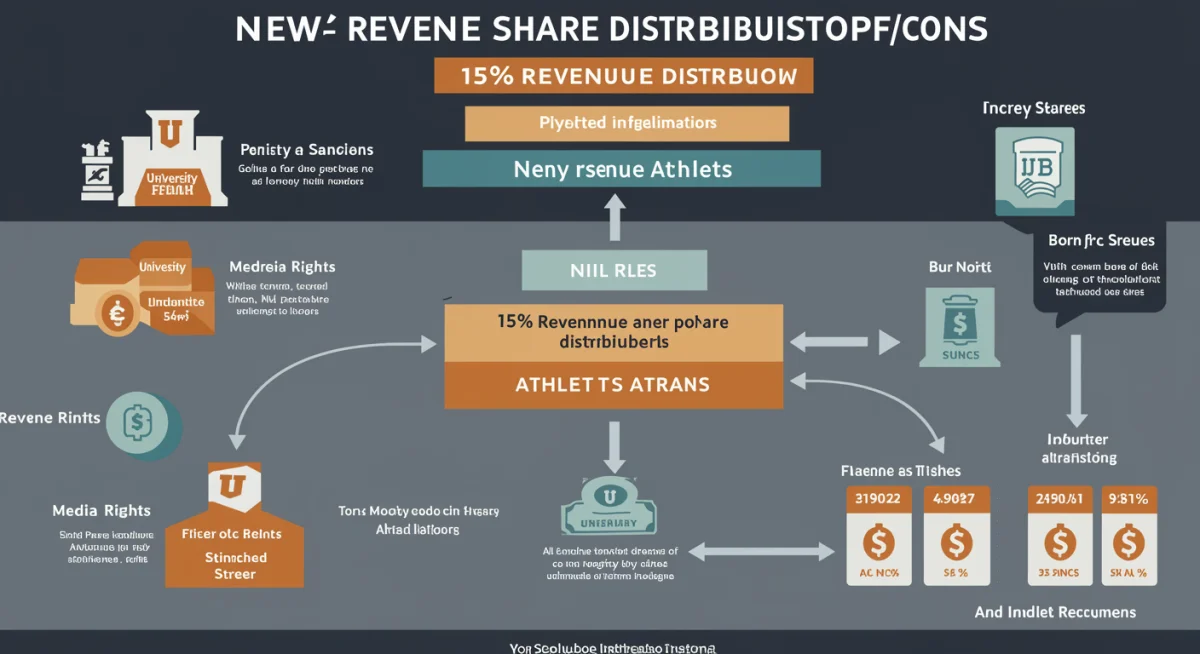
The proposed 15% revenue share means that a portion of the significant revenues generated by athletic departments—primarily from media rights deals, ticket sales, and sponsorships—will be allocated directly to athletes. The exact mechanism for distribution is still being refined, but early indications suggest a system that aims for broad participation, not just for the highest-profile athletes.
- Source of Revenue: Funds will primarily come from major revenue streams like conference media deals and NCAA championship broadcasts.
- Distribution Mechanism: Details are still emerging, but it could involve a combination of equal shares, performance incentives, or allocation based on playing time or sport.
- Institutional Responsibility: Universities will be responsible for managing and distributing these funds, ensuring transparency and compliance with NCAA guidelines.
This model is designed to address the long-standing imbalance where athletes, despite being the primary drivers of collegiate sports’ commercial value, received no direct share of the profits. The 15% figure represents a substantial commitment to athlete welfare and a recognition of their economic contribution.
Potential Economic Impact on College Athletics
The introduction of a 15% revenue share will have far-reaching economic implications. While it will undoubtedly benefit athletes, it also presents financial challenges for athletic departments, particularly those in smaller conferences or with less robust revenue streams. Universities will need to re-evaluate their budgets, potentially seeking new revenue sources or adjusting existing expenditures to accommodate the athlete share.
However, proponents argue that this model will foster greater equity and sustainability within college sports, potentially attracting even more talent and increasing the overall appeal and commercial viability of collegiate athletics. The increased financial incentive for athletes could lead to higher levels of competition and engagement, ultimately benefiting fans and stakeholders alike. The NCAA NIL Rules 2026, with this revenue share, signal a new era of shared prosperity in college sports.
Compliance and Governance in the New NIL Era
As the NCAA NIL Rules 2026 usher in a new era of athlete compensation, the complexities of compliance and governance will become paramount. With increased financial flows directly to athletes and a revenue-sharing model, the need for clear rules, robust oversight, and transparent processes is more critical than ever to maintain fairness and prevent exploitation.
Navigating the Regulatory Landscape
The current NIL environment has been criticized for its lack of consistent national oversight, leading to a patchwork of state laws and institutional policies. The 2026 rules aim to standardize these regulations, providing a more uniform framework for athletes and institutions to operate within. This will likely involve a combination of NCAA-mandated rules and guidelines, potentially supported by federal legislation to supersede state-specific variations.
- Centralized Oversight: The NCAA is expected to play a more direct role in monitoring NIL activities and revenue sharing.
- Standardized Contracts: Potential for standardized contract templates or clauses to protect athletes in NIL deals.
- Educational Resources: Enhanced educational programs for athletes, coaches, and administrators on NIL compliance.
Institutions will need to invest in robust compliance departments, potentially hiring dedicated staff to manage NIL affairs, educate athletes, and ensure adherence to the new guidelines. The emphasis will be on proactive compliance rather than reactive enforcement, fostering an environment of integrity.
Protecting Athletes: Ethics and Transparency
A key focus of the new governance will be athlete protection. With potentially significant sums of money involved, there’s an increased risk of exploitation, unfair deals, or conflicts of interest. The NCAA NIL Rules 2026 are expected to include provisions designed to safeguard athletes’ interests, ensuring transparency in deals and providing resources for legal and financial advice.
This includes clear guidelines on agent representation, prohibitions against inducements for recruitment, and mechanisms for dispute resolution. The goal is to empower athletes to make informed decisions about their NIL opportunities while shielding them from predatory practices. Ultimately, a strong governance framework is essential for the long-term success and credibility of the new NIL era, ensuring that the benefits truly serve the student-athlete population.
Challenges and Opportunities for Student-Athletes
The introduction of the NCAA NIL Rules 2026 presents a dual landscape of unprecedented opportunities and significant challenges for student-athletes. While the potential for financial gain and personal brand development is immense, navigating this new terrain will require careful planning, education, and strategic decision-making.
Maximizing NIL Opportunities
For athletes, the new rules mean greater autonomy and control over their own brand. The 15% revenue share, combined with individual NIL deals, offers a pathway to substantial earnings. This creates opportunities for athletes to build their personal brand, develop entrepreneurial skills, and gain valuable experience in the business world long before their professional careers, if they pursue one.
- Brand Building: Athletes can actively cultivate their personal brand through social media, community engagement, and endorsements.
- Financial Literacy: Increased earnings necessitate a strong understanding of financial management, taxation, and investment.
- Networking: NIL deals provide opportunities to connect with businesses, marketing professionals, and community leaders.
Athletes who strategically leverage their NIL will be better positioned for post-collegiate success, whether in professional sports or other careers. The ability to generate income while still in college can alleviate financial burdens and allow focus on both athletic and academic pursuits.
Navigating Potential Pitfalls
However, the new NIL era also brings challenges. The increased emphasis on commercialization might divert some athletes’ focus from academics or athletic development. There’s also the potential for pressure from external stakeholders, varying expectations within teams, and the complexities of managing contracts and taxes.
Furthermore, the competitive nature of NIL deals could create disparities among athletes within the same team or institution, potentially leading to locker room dynamics issues. It is crucial for institutions and athletes to foster an environment that prioritizes team cohesion and collective success alongside individual NIL pursuits. The NCAA NIL Rules 2026 will require athletes to be not just skilled competitors but also savvy business individuals, demanding a new set of skills beyond their sport.
Preparing for the Future: Advice for College Athletes
As the NCAA NIL Rules 2026 approach, college athletes must proactively prepare to maximize the benefits and navigate the complexities of this new era. This preparation goes beyond athletic training, encompassing financial literacy, legal understanding, and strategic brand development.
Key Steps for Proactive Engagement
Understanding the rules is the first step. Athletes should stay informed about the specific guidelines implemented by their institution and the NCAA. Attending workshops, seminars, and informational sessions offered by their athletic department or external experts will be crucial. Knowledge is power when it comes to navigating contracts and financial implications.
- Seek Expert Advice: Consult with financial advisors, legal counsel specializing in sports law, and marketing professionals.
- Build a Strong Personal Brand: Develop a consistent and positive online presence across social media platforms.
- Understand Contractual Obligations: Learn to read and understand the terms of any NIL agreement before signing.
Developing a robust personal brand is also essential. This involves actively managing social media, engaging with fans, and understanding one’s unique value proposition. A strong brand can attract more lucrative NIL opportunities and increase an athlete’s share of the institutional revenue.
Long-Term Vision and Financial Planning
Beyond immediate earnings, athletes should consider the long-term implications of their NIL activities. This includes understanding the tax implications of their income, creating a budget, and exploring investment opportunities. The money earned through NIL can be a foundation for future financial security, but only with proper management.
Additionally, athletes should consider how their NIL activities align with their academic and career goals. Prioritizing opportunities that enhance their long-term professional development, rather than just short-term gains, can lead to more sustainable success. The NCAA NIL Rules 2026 offer a unique chance for athletes to build a financial and professional foundation while pursuing their collegiate athletic dreams, but it requires foresight and diligent planning.
| Key Aspect | Brief Description |
|---|---|
| NIL Rules 2026 | New NCAA regulations standardizing athlete compensation for name, image, and likeness. |
| 15% Revenue Share | A portion of institutional athletic revenue will be directly distributed to athletes. |
| Compensation Guidelines | Frameworks for direct payments, performance incentives, and institutional NIL programs. |
| Athlete Preparation | Emphasizes financial literacy, legal counsel, and personal brand development for athletes. |
Frequently Asked Questions About NCAA NIL Rules 2026
The NCAA NIL Rules 2026 are a forthcoming set of standardized regulations designed to govern how college athletes can profit from their name, image, and likeness. These rules aim to create a more consistent and equitable framework across all NCAA divisions and institutions, addressing the inconsistencies of the current interim policy.
The 15% revenue share means a portion of the total revenue generated by college athletic departments will be directly distributed to athletes. This could provide a significant and stable income stream, complementing individual NIL deals, and ensuring more athletes benefit financially from collegiate sports’ commercial success.
While the 15% revenue share aims for broader distribution, specific compensation may vary. Factors like sport, performance, and individual NIL deals will likely still influence an athlete’s total earnings. The goal is to provide a more equitable base while allowing for additional opportunities based on market value and achievement.
Athletes should educate themselves on financial literacy, seek legal advice regarding contracts, and actively build their personal brand. Staying informed through institutional resources and engaging with financial and legal professionals will be crucial for maximizing opportunities and ensuring compliance.
The new rules are expected to heavily influence recruiting, with institutions highlighting their NIL programs and compensation structures. They could also impact transfer decisions, as athletes may consider the financial opportunities offered by different schools alongside athletic and academic considerations, potentially fostering more stability.
Conclusion
The NCAA NIL Rules 2026 represent a seismic shift in college athletics, moving towards a more professionalized and financially equitable model for student-athletes. With new compensation guidelines and the groundbreaking 15% revenue share, the era of amateurism, as traditionally understood, is firmly in the rearview mirror. For college athletes, this means unprecedented opportunities for financial gain, personal brand development, and a more direct stake in the commercial success they help generate. However, this transformative period also demands a proactive approach, requiring athletes to become adept not only in their sport but also in financial management, legal understanding, and strategic brand building. The future of college sports promises to be dynamic, challenging, and ultimately, more rewarding for those who are prepared to navigate its evolving landscape.