Early Signing Period 2026: Key Deadlines & College Athlete Strategies
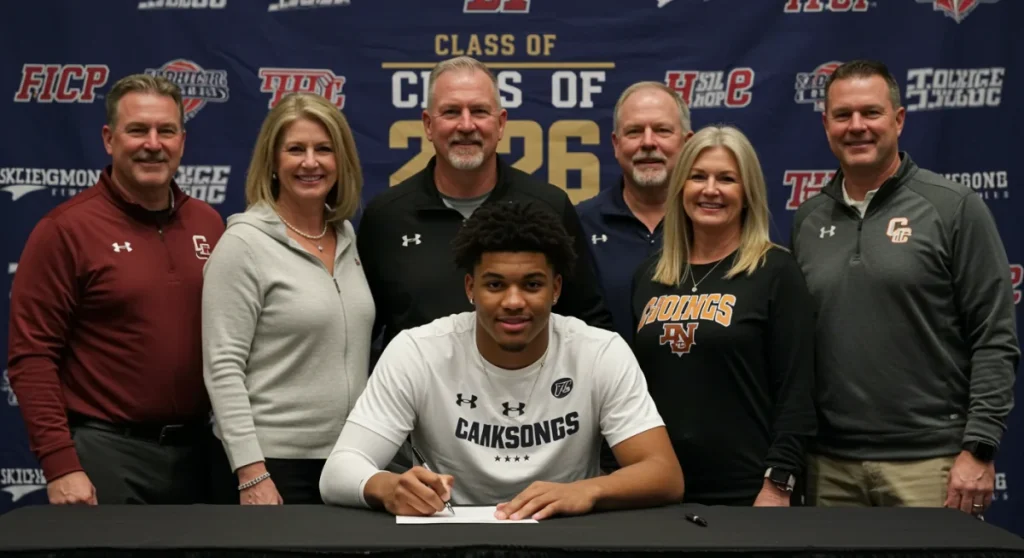
The Early Signing Period 2026 is crucial for aspiring college athletes, offering a vital window to commit to collegiate programs. Understanding deadlines and strategic preparation is paramount for securing a scholarship and future in college sports.
The journey to becoming a college athlete is filled with anticipation, hard work, and critical decisions. For the Class of 2026, the Early Signing Period 2026 represents a pivotal moment, a chance to solidify years of dedication and officially commit to a collegiate athletic program. This period isn’t just about putting pen to paper; it’s the culmination of strategic planning, rigorous training, and effective communication with college coaches. Understanding its nuances is key to navigating this exciting, yet often complex, landscape.
Understanding the Early Signing Period 2026 Landscape
The Early Signing Period, particularly for the Class of 2026, is a designated window when high school athletes can sign a National Letter of Intent (NLI) with an NCAA institution. This commitment binds the athlete to the institution for one academic year and, in turn, the institution to provide athletic aid for that year. It’s a significant step, moving beyond verbal commitments to a formal agreement, and it carries substantial weight for both parties involved.
The landscape of college recruiting is constantly evolving, with the Early Signing Period gaining increasing prominence across various sports. What was once primarily a feature of football and basketball recruiting has expanded, offering a crucial advantage to athletes who are prepared and decisive. This early opportunity allows athletes to secure their spot, relieve recruiting pressure, and focus on their senior year academics and athletic development.
Why Early Signing Matters
Early signing can offer numerous benefits, from peace of mind to a confirmed scholarship. It allows athletes to finalize their college choice well before the regular signing period, reducing anxiety and preventing last-minute surprises. For coaches, it helps solidify their recruiting classes and offers a clearer picture of their roster needs.
- Reduced Stress: Committing early can alleviate the pressure of ongoing recruitment throughout senior year.
- Secured Scholarship: An NLI guarantees athletic aid, providing financial security for the athlete’s college education.
- Focus on Development: Athletes can concentrate on improving their skills and academics without recruiting distractions.
- Roster Certainty: Coaches gain clarity on their incoming class, allowing them to plan more effectively.
Key Differences from Regular Signing
While both periods involve signing an NLI, the early period typically occurs in November, offering an expedited timeline. The regular period usually takes place in April. The decision to sign early or wait often depends on the athlete’s readiness, the offers they have received, and their comfort level with a particular program. It’s a strategic choice that should be made after careful consideration and consultation with family, coaches, and advisors.
In essence, the Early Signing Period 2026 is not just a date on a calendar; it’s a strategic gateway for aspiring college athletes to formally begin their collegiate careers. Understanding its implications and preparing thoroughly can make all the difference in achieving their athletic and academic goals.
Navigating the Early Signing Period 2026 Deadlines
Understanding and adhering to the specific deadlines for the Early Signing Period 2026 is paramount for any aspiring college athlete. These dates vary by sport and are set by the NCAA, creating a structured timeline for commitments. Missing a deadline can mean missing an opportunity, so meticulous planning is essential. Athletes and their families should be proactive in tracking these dates, ensuring all necessary documentation and communications are handled promptly.
The NCAA publishes official signing dates well in advance, and these are the authoritative source for all athletes. It’s crucial not to rely on unofficial sources or hearsay. Always cross-reference information with the NCAA’s official website or direct communication from college compliance offices. For the Class of 2026, these dates will typically fall in mid-November for most sports, with some variations. Football and basketball, often high-profile sports, usually have distinct windows.
Important Dates for Major Sports
While specific dates for 2026 are subject to final NCAA announcements, patterns from previous years can provide a strong indication. Generally, the early signing period for sports like basketball and football begins in November. Other sports, particularly those with smaller recruiting classes or different competitive structures, might have slightly different timelines. Staying informed through official channels is the best defense against missing key opportunities.
- Football: Typically a three-day window in mid-December, though some aspects might shift to November for 2026.
- Men’s and Women’s Basketball: Usually a week-long period in mid-November.
- Other Sports (e.g., Baseball, Softball, Lacrosse, Soccer): Often align with the general November period for early signing, though individual sport calendars should be checked.
It’s vital to remember that these are signing periods, not just single dates. Athletes have a window to sign their NLI, but often, the decision is made much earlier through verbal commitments and extensive communication with coaches. The signing period is merely the formalization of that decision.

Preparing for Deadline Day
Preparation for the Early Signing Period 2026 extends beyond just knowing the dates. It involves ensuring all academic requirements are met, transcripts are in order, and NCAA eligibility is confirmed. Athletes must register with the NCAA Eligibility Center and ensure their amateur status is maintained. This administrative legwork is as critical as athletic performance. A strong academic record and confirmed eligibility often pave the way for a smoother signing process, preventing last-minute hurdles that could jeopardize an offer.
In summary, while the allure of signing early is strong, it must be approached with a clear understanding of the specific deadlines. Proactive research, constant communication, and diligent adherence to NCAA guidelines are the cornerstones of a successful Early Signing Period for the Class of 2026.
Strategic Moves for Aspiring College Athletes
For aspiring college athletes targeting the Early Signing Period 2026, strategic planning is not just an advantage; it’s a necessity. The competitive nature of college recruiting demands a proactive and well-thought-out approach. This involves not only showcasing athletic talent but also demonstrating academic prowess, strong character, and effective communication skills. Athletes who stand out are often those who manage their recruitment process with foresight and professionalism.
One of the most crucial strategic moves is to start early. While the signing period is in your senior year, the recruiting process begins much earlier, often in freshman or sophomore year. Building relationships with coaches, attending showcases, and maintaining high academic standards are ongoing efforts. This early engagement allows athletes to get on coaches’ radars and develop a rapport that can lead to early offers.
Building a Strong Athletic Profile
A compelling athletic profile is essential. This includes high-quality highlight reels, verified statistics, and testimonials from coaches. Athletes should regularly update their recruiting profiles on platforms like NCSA or SportsRecruits, ensuring all information is current and accurately reflects their abilities. Participation in club sports and elite camps can also provide additional exposure and opportunities to compete against top-tier talent, further enhancing one’s profile.
- Highlight Reels: Professional-grade videos showcasing top skills and game situations.
- Accurate Statistics: Verified game stats and athletic measurements (e.g., 40-yard dash, vertical jump).
- Coach References: Strong recommendations from current and past coaches.
- Online Presence: A clean and professional social media footprint.
Academic Excellence and Eligibility
Beyond athletic skill, academic performance is a cornerstone of successful recruitment. College coaches look for student-athletes, emphasizing the ‘student’ aspect. Maintaining a high GPA, excelling in challenging courses, and achieving strong standardized test scores (SAT/ACT) are non-negotiable. Furthermore, ensuring NCAA eligibility by taking approved core courses and meeting GPA requirements is critical. Academic eligibility can often be the deciding factor between two equally talented athletes.
Strategic moves for the Early Signing Period 2026 also involve open and honest communication. Athletes should be transparent with coaches about their interests, concerns, and timelines. Asking pertinent questions during campus visits and phone calls demonstrates genuine interest and maturity. Ultimately, a well-rounded approach that balances athletic development, academic achievement, and effective communication will position athletes for success in the early signing process.
The Role of Communication in Early Recruitment
Effective communication is the bedrock of a successful recruitment process leading up to the Early Signing Period 2026. It’s a continuous dialogue between aspiring athletes, their families, and college coaches. The ability to communicate clearly, professionally, and proactively can significantly influence a coach’s perception and an athlete’s chances of receiving an offer. This isn’t just about responding to inquiries; it’s about initiating contact, asking insightful questions, and presenting oneself as a desirable candidate both on and off the field.
Coaches are not just looking for talent; they are seeking individuals who will be a good fit for their team culture and academic environment. Consistent and respectful communication demonstrates maturity, commitment, and a genuine interest in their program. Athletes should tailor their communication to each institution, showing they’ve done their research and understand what makes that particular school and team unique. Generic emails or calls can often be overlooked in a sea of applicants.
Initiating Contact with Coaches
Don’t wait for coaches to find you; take the initiative. Sending introductory emails with a brief athletic resume, highlight reel link, and academic transcript can open doors. Follow up periodically with updates on your performance, academic achievements, and upcoming events. Personalized communication, referencing specific aspects of their program or recent games, can make a strong impression. Remember, coaches are busy, so concise and impactful messages are best.
- Personalized Emails: Address coaches by name and mention specific program details.
- Regular Updates: Share new highlight footage, academic successes, and game schedules.
- Thank-You Notes: Express gratitude after visits, calls, or evaluations.
- Social Media Engagement: Follow team accounts and engage positively, but avoid direct recruiting pitches.
Navigating Campus Visits and Interviews
Official and unofficial campus visits are critical junctures in the recruitment process. During these visits, communication extends beyond verbal exchanges. It includes body language, attentiveness, and the questions asked. Athletes should prepare intelligent questions about the academic support, team dynamics, coaching philosophy, and post-graduate opportunities. These interactions are essentially interviews, where coaches assess not just athletic potential but also personality and fit.
The Early Signing Period 2026 demands a sophisticated approach to communication. It’s about building relationships, demonstrating genuine interest, and presenting a holistic picture of oneself as a dedicated student-athlete. Mastering this aspect of recruitment can significantly enhance an athlete’s prospects of signing with their dream school.
Making the Right Decision: Factors Beyond the Offer
Receiving an offer during the Early Signing Period 2026 is a monumental achievement, but the decision-making process extends far beyond simply accepting the first offer. Aspiring college athletes must carefully evaluate numerous factors to ensure they choose the right institution and athletic program for their long-term success and well-being. This involves introspection, thorough research, and honest conversations with trusted advisors.
The allure of an early offer can be strong, but it’s crucial not to rush into a decision without considering all aspects. A college commitment is a four-year (or more) investment in one’s academic, athletic, and personal development. Therefore, the choice should align with the athlete’s values, goals, and aspirations, not just immediate excitement or perceived prestige.
Academic Fit and Major Opportunities
The academic program should be a top priority. Does the institution offer your desired major or a field of study that genuinely interests you? What is the academic support system like for student-athletes? A strong academic fit ensures that even if an athletic career doesn’t pan out as planned, the athlete is still positioned for success after graduation. It’s important to research graduation rates for student-athletes and the post-college success of alumni.
- Desired Major: Ensure the school offers your preferred academic path.
- Academic Support: Investigate tutoring services, academic advisors, and study halls for athletes.
- Post-Graduation Success: Research alumni career paths and networking opportunities.
- Student-Athlete Graduation Rates: A key indicator of academic commitment.
Team Culture and Coaching Philosophy
The environment of the athletic program is equally vital. Does the team culture align with your personality and work ethic? How does the coaching staff interact with players, and what is their long-term vision for the program and individual athletes? Speaking with current and former players can provide invaluable insights into the daily life, expectations, and overall experience within the team. A positive and supportive team culture can significantly enhance the collegiate athletic experience.
Ultimately, making the right decision for the Early Signing Period 2026 involves a holistic assessment. It’s about finding a place where an athlete can thrive academically, athletically, and personally. This thoughtful approach ensures that the commitment is not just to a team, but to a comprehensive college experience that fosters growth and prepares them for future endeavors.
The Importance of Support Systems
The journey to the Early Signing Period 2026 is rarely a solo endeavor. Aspiring college athletes rely heavily on a robust support system, encompassing family, high school coaches, club coaches, and academic advisors. These individuals play indispensable roles in guiding athletes through the complexities of recruitment, offering counsel, encouragement, and practical assistance. Recognizing and leveraging these support networks is a strategic move in itself, ensuring that athletes have access to diverse perspectives and expertise.
Family members often serve as the primary emotional and logistical support, helping with travel to showcases, managing communication with coaches, and providing a stable home environment. Their role in offering perspective and helping an athlete stay grounded amidst the excitement and pressure of recruitment cannot be overstated. Open and honest communication within the family unit is crucial for making informed decisions.
Guidance from Coaches and Mentors
High school and club coaches are instrumental in an athlete’s development and exposure. They can provide valuable evaluations to college recruiters, advocate on behalf of their players, and offer insights into what to expect at the collegiate level. Mentors who have gone through the recruitment process themselves can also offer firsthand advice and share their experiences, helping to demystify the journey. Building strong relationships with these figures is beneficial for both performance and recruitment.
- High School Coaches: Provide official transcripts, recommendations, and tactical advice.
- Club Coaches: Offer exposure to college scouts, particularly in specialized sports.
- Academic Counselors: Ensure NCAA eligibility requirements are met and academic records are in order.
- Recruiting Coordinators/Services: Assist with profile creation, communication, and exposure.
Leveraging Academic and Recruiting Resources
Beyond personal networks, various institutional and professional resources are available. High school academic counselors can guide athletes through NCAA eligibility requirements and course selection. Recruiting services, while sometimes costly, can also provide valuable assistance in creating highlight reels, building profiles, and connecting with coaches. However, athletes and families should exercise due diligence when selecting external services, ensuring they are reputable and ethical.
Ultimately, a strong support system provides a multi-faceted approach to the Early Signing Period 2026. It ensures that athletes are well-prepared, well-advised, and emotionally resilient throughout the demanding recruitment process, leading to a confident and well-informed commitment.
Post-Signing: What Comes Next for 2026 Commits
Signing a National Letter of Intent during the Early Signing Period 2026 is a significant milestone, but it’s far from the finish line. For committed athletes, the period between signing and arriving on campus is crucial for preparation, both athletically and academically. This phase is about maintaining momentum, fulfilling commitments, and laying the groundwork for a successful collegiate career. The hard work doesn’t stop; it merely shifts focus to the next level of challenge and opportunity.
One of the immediate priorities post-signing is to maintain academic performance. Colleges will continue to monitor grades, and any significant dip could potentially jeopardize eligibility. Athletes should strive to finish their senior year strong, ensuring a smooth transition to college-level coursework. This also involves staying engaged with their future academic advisors and understanding prerequisite courses or placement exams.
Physical and Mental Preparation
Athletically, committed athletes should continue to train diligently, focusing on strength, conditioning, and sport-specific skills. College programs often provide incoming athletes with summer workout packets or training regimens tailored to their needs. Adhering to these programs is vital for being physically prepared for the demands of collegiate sports. Equally important is mental preparation, which includes developing resilience, time management skills, and strategies for coping with the increased pressure and competition.
- Follow College Workout Plans: Adhere to strength and conditioning programs provided by the university.
- Maintain Skill Development: Continue practicing and refining sport-specific techniques.
- Develop Time Management: Practice balancing academic responsibilities with athletic training.
- Mental Toughness: Cultivate resilience and strategies for managing pressure.
Building Relationships with Future Teammates and Coaches
Post-signing is an excellent time to begin fostering relationships with future teammates and coaches. Many programs have social media groups or communication channels for incoming recruits. Engaging with these can help build camaraderie and ease the transition. Maintaining open communication with the coaching staff, providing updates on progress, and asking questions about expectations for the upcoming season demonstrates commitment and enthusiasm. This early connection can significantly contribute to a smoother integration into the team once on campus.
In essence, the post-signing period for the Early Signing Period 2026 commits is a bridge between high school and college. It’s a time for continued growth, diligent preparation, and proactive engagement, ensuring that athletes arrive on campus ready to excel in all aspects of their student-athlete lives.
| Key Aspect | Brief Description |
|---|---|
| Deadlines | Official NCAA dates for signing, typically in November for most sports. Critical to track. |
| Strategic Planning | Early engagement, strong athletic profile, and academic excellence are crucial. |
| Effective Communication | Proactive and professional dialogue with coaches builds relationships and demonstrates interest. |
| Support Systems | Family, coaches, and academic advisors provide essential guidance and resources. |
Frequently Asked Questions About Early Signing Period 2026
The NLI is a binding agreement between a prospective student-athlete and an NCAA institution. Once signed, the athlete commits to attending the institution for one academic year, and the institution commits to providing financial aid.
Signing an NLI is a serious commitment. Breaking an NLI typically results in penalties, such as forfeiture of one year of eligibility and having to sit out a year if transferring to another NCAA Division I or II institution.
Specific dates for the 2026 Early Signing Period are set by the NCAA and are usually announced well in advance. Generally, they fall in November for most sports. Always check the official NCAA website for the most accurate and up-to-date schedule.
Most NCAA Division I and II sports participate in the Early Signing Period, especially high-profile ones like football and basketball. However, some sports or divisions might have different timelines. It’s essential to verify the specific sport’s calendar.
Not receiving an early offer is not the end of the road. Many athletes sign during the regular signing period in April. Continue to work hard, communicate with coaches, and explore all options to find the right fit for you.
Conclusion
The Early Signing Period 2026 represents a monumental opportunity for aspiring college athletes to formalize their dreams. Navigating this critical phase effectively requires a blend of athletic talent, academic excellence, strategic planning, and consistent communication. By understanding the key deadlines, building a strong athletic and academic profile, fostering robust support systems, and making thoughtful decisions, athletes can confidently secure their place in a collegiate athletic program. The journey is demanding, but with careful preparation and dedication, the Early Signing Period can be a stepping stone to a fulfilling and successful college career, both on and off the field.