2026 College Football Recruiting Trends: Insider’s Look
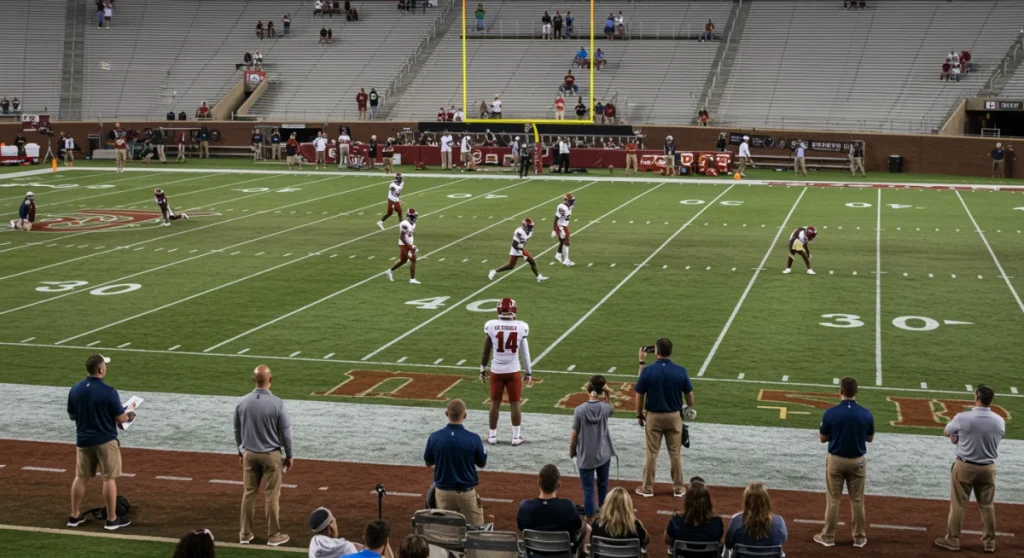
The 2026 college football recruiting landscape is rapidly evolving, driven by new trends like NIL deals, early commitments, and advanced analytics, reshaping how programs attract and secure top talent.
The world of college football recruiting is a constantly shifting environment, and for the 2026 class, several pivotal trends are already making their mark. Understanding these shifts is paramount for coaches, scouts, and most importantly, the aspiring athletes themselves. This insider’s look delves into the most significant developments shaping how programs identify, pursue, and ultimately sign the next generation of football stars, offering crucial insights into the evolving dynamics of what drives college football recruiting trends.
The Accelerating Pace of Early Commitments
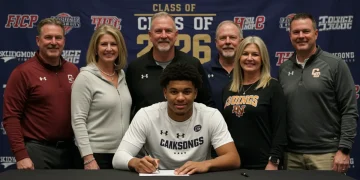
One of the most undeniable trends in college football recruiting for the 2026 class is the increasingly rapid timeline for commitments. Prospects are receiving offers and making decisions earlier than ever before, often before their junior year of high school even begins. This accelerated pace creates both opportunities and challenges for all parties involved.
The competitive nature of college football drives this trend. Programs want to secure top talent early to build their class foundation and prevent rivals from swooping in. For recruits, an early commitment can offer a sense of security and allow them to focus solely on their high school careers, free from the constant pressure of the recruiting process.
The Pressure Cooker Environment
This early commitment phenomenon, however, isn’t without its drawbacks. The pressure on young athletes to make life-altering decisions at a tender age is immense. They often commit based on initial impressions or limited visits, sometimes before fully understanding all their options.
- Increased stress for high school athletes to perform and commit early.
- Potential for de-commitments as more attractive offers or opportunities arise later.
- Coaches facing dilemmas on how many early offers to extend without overcommitting.
The early commitment trend also puts a premium on evaluation. Coaches must be confident in their assessments of underclassmen, relying heavily on camp performances, freshman/sophomore film, and character references. This requires a more proactive and intensive scouting approach from an earlier stage in a player’s development.
Ultimately, while early commitments can provide stability, they also necessitate careful consideration from recruits and thorough vetting from coaching staffs to ensure long-term success and fit. The landscape demands adaptability from everyone involved.
NIL’s Expanding Influence on Recruiting Decisions
Name, Image, and Likeness (NIL) deals have fundamentally reshaped the college sports landscape, and their impact on the 2026 recruiting class is poised to be even more significant. What started as a new revenue stream for athletes has quickly evolved into a major factor in recruiting, influencing where top prospects choose to play.
NIL opportunities are no longer just a bonus; they are a central part of the recruiting pitch for many programs. Universities and their collectives are actively showcasing the potential for recruits to build their personal brands and earn substantial income while in college. This has created an entirely new layer of complexity and competition.
Navigating the Financial Landscape
For recruits and their families, NIL offers represent a tangible benefit that can directly impact their financial future. This means evaluating programs based not only on athletic fit and academic offerings but also on the strength of their NIL infrastructure and the potential earning power for specific positions or player profiles.
- Recruits are increasingly prioritizing schools with robust NIL collectives and support systems.
- The perceived value of a player’s NIL potential can influence scholarship offers and recruiting efforts.
- Compliance and transparency around NIL deals remain critical challenges for institutions.
The influence of NIL extends beyond just the top-tier recruits. Even mid-level prospects are considering NIL potential, as even modest earnings can be life-changing for many families. This broadens the competitive field and requires every program to have a clear and compelling NIL strategy.
The long-term effects of NIL on recruiting are still unfolding, but for the 2026 class, it is an undeniable force that will continue to shape decisions, requiring recruits to think like entrepreneurs and programs to act as facilitators of personal brand growth.
The Strategic Use of the Transfer Portal
While primarily impacting current college athletes, the transfer portal indirectly but significantly influences high school recruiting for the 2026 class. Coaches must now balance their incoming high school talent with the constant possibility of supplementing their roster through the portal, creating a dynamic and sometimes unpredictable roster management challenge.
The portal offers immediate solutions for positional needs or depth issues, which can sometimes impact the number of scholarships available for high school recruits. However, it also means that high school players arriving on campus are more likely to face competition from experienced transfers, pushing them to develop faster.
Roster Construction and Development
Programs are becoming more strategic in how they utilize both high school recruiting and the transfer portal. They might prioritize high school recruits for long-term development at certain positions, while using the portal to fill immediate gaps or add veteran leadership.
- High school recruits must understand their potential path to playing time given the portal’s existence.
- Coaches are evaluating high school prospects with an eye toward their potential to contribute early or be long-term developmental projects.
- The portal can create opportunities for high school players if current roster members transfer out.
This interplay means that recruiting pitches for the 2026 class often include discussions about how a program manages its roster through the portal, emphasizing stability, development, and opportunities for playing time. Recruits are more aware than ever of the fluid nature of college rosters.
The transfer portal has cemented its place as a permanent fixture in college football, and its strategic integration into overall roster building will continue to define recruiting efforts for the 2026 class and beyond, demanding a nuanced approach from all stakeholders.
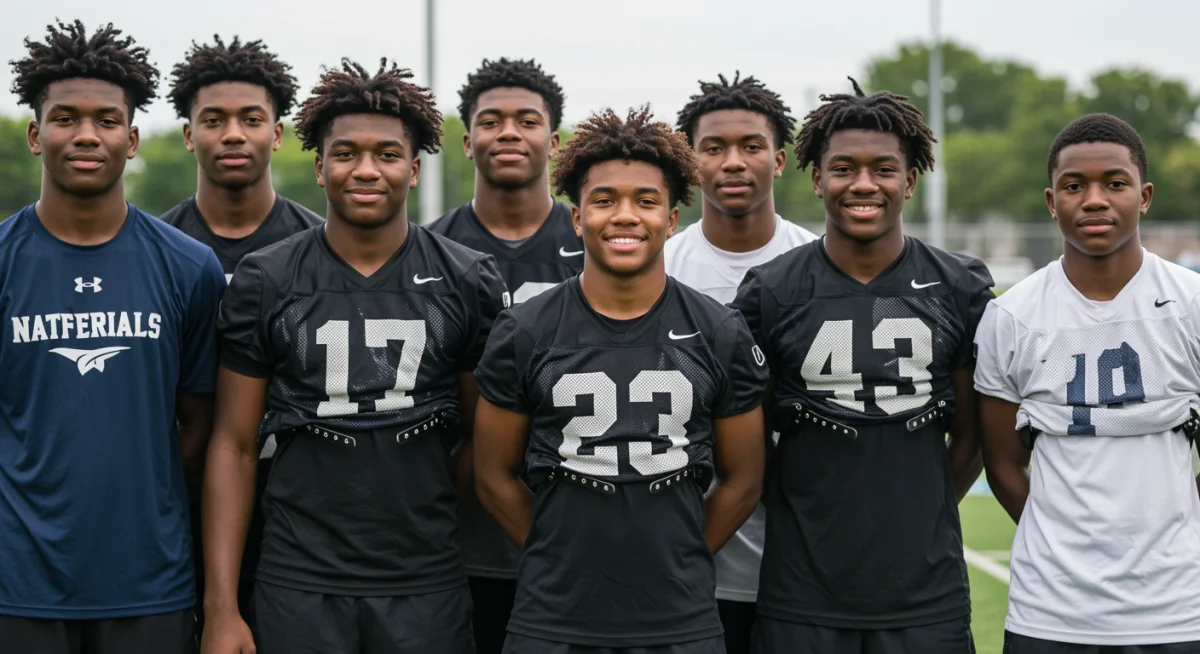
Advanced Data and Analytics in Player Evaluation
Gone are the days when recruiting was solely based on eye-test evaluations and highlight reels. For the 2026 class, college programs are increasingly leveraging advanced data and analytics to identify, evaluate, and project the potential of high school prospects. This scientific approach adds a new layer of precision to the recruiting process.
Data points such as verified athletic testing results (speed, agility, strength), advanced high school statistics, and even biomechanical analyses are being integrated into scouting reports. This allows programs to identify hidden gems, confirm athletic traits, and make more informed decisions about a player’s fit within their system.
Quantifying Potential and Minimizing Risk
Recruiting departments are employing dedicated analysts who sift through vast amounts of data to create comprehensive player profiles. This helps minimize the risk associated with recruiting young athletes and provides coaches with objective metrics to complement their subjective observations.
- Use of GPS tracking and wearable technology in high school camps to gather performance data.
- Sophisticated algorithms to predict college success based on high school production and athletic measurables.
- Increased emphasis on academic analytics to ensure recruits meet eligibility and academic success criteria.
The rise of data analytics also means that recruits themselves are more aware of their measurable statistics. Many are actively seeking opportunities to get tested and showcase their numbers, understanding that these metrics can significantly boost their recruiting profile.
As technology continues to advance, the role of data and analytics in college football recruiting will only grow, making the process more efficient, objective, and data-driven for the 2026 class and future generations of athletes.
The Rise of Positional Flexibility and Versatility
Modern college football offenses and defenses demand players who can perform multiple roles, and this emphasis on positional flexibility and versatility is a key trend for the 2026 recruiting class. Coaches are actively seeking athletes who can contribute in various capacities, rather than being pigeonholed into a single position.
This trend is driven by strategic advantages: versatile players allow for more dynamic play-calling, better adaptation to injuries, and more efficient use of scholarship spots. A player who can excel at multiple positions instantly becomes a more valuable commodity on the recruiting trail.
Multi-Sport Athletes and Adaptable Skill Sets
Recruiting departments are increasingly prioritizing multi-sport athletes, as participation in different sports often indicates superior athleticism, competitive drive, and the ability to learn and adapt to various schemes and techniques. These athletes typically possess a broader range of skills transferable to the football field.
- Two-way players in high school are highly sought after for their diverse skill sets.
- Recruiting pitches often highlight how a player’s athleticism can be utilized in multiple roles.
- The ability to play both offense and defense, or multiple positions within one unit, is a significant advantage.
For the 2026 recruit, showcasing versatility through film, camp performances, and even other sports is crucial. Developing a diverse skill set, whether it’s a defensive back who can cover and tackle, or a lineman who can play both guard and tackle, significantly enhances their appeal to college programs.
The demand for adaptable, multi-talented athletes will continue to grow, making positional flexibility a defining characteristic of successful recruiting for the 2026 class and underscoring the importance of holistic athletic development.
Enhanced Focus on Player Development and Retention
Beyond simply signing talent, college football programs are placing a renewed and enhanced focus on player development and retention, understanding that securing a commitment is just the first step. For the 2026 class, recruits are increasingly evaluating programs based on their track record of developing players, both on and off the field, and their ability to retain athletes through their collegiate careers.
With the transfer portal making it easier for players to switch schools, programs recognize the importance of creating a supportive environment where athletes feel valued, developed, and have a clear path to success. This includes robust strength and conditioning programs, advanced nutritional guidance, academic support, and mental health resources.
Holistic Approach to Athlete Well-being
Recruiting pitches for the 2026 class often emphasize the holistic development aspect, showcasing how a program invests in its athletes beyond just football. This includes highlighting alumni success stories, professional development opportunities, and the overall collegiate experience.
- Programs are investing more in state-of-the-art training facilities and sports science staff.
- Recruits and their families are asking more detailed questions about academic support and post-football career planning.
- Mental health resources and support systems are becoming a key differentiator in recruiting.
The emphasis on retention also means cultivating a strong team culture and fostering positive relationships between players and coaches. Recruits want to join programs where they feel they can thrive for four or five years, not just a pit stop before the next opportunity.
Ultimately, programs that can demonstrate a genuine commitment to the long-term well-being and development of their athletes will hold a significant advantage in attracting and retaining the top talent of the 2026 class, making player development a cornerstone of modern recruiting.
| Key Trend | Brief Description |
|---|---|
| Early Commitments | Prospects are committing earlier, increasing pressure and requiring early evaluations. |
| NIL Influence | Name, Image, and Likeness deals are now a major factor in recruit decision-making. |
| Transfer Portal Impact | The portal affects roster spots and development paths for high school recruits. |
| Data Analytics | Advanced data is used for precise player evaluation and risk assessment. |
Frequently Asked Questions About 2026 College Football Recruiting
Many top prospects for the 2026 class are receiving offers and making verbal commitments significantly earlier than in previous cycles, often before or during their junior year of high school. This accelerated timeline is a direct response to increased competition among college programs to secure talent.
NIL (Name, Image, and Likeness) opportunities are now a critical factor. Recruits and their families are evaluating programs based on their NIL infrastructure and earning potential, making it a significant part of the recruiting pitch alongside athletic and academic considerations.
The transfer portal impacts high school recruits by influencing scholarship availability and potential playing time. Programs use the portal to fill immediate needs, which can create more competition for incoming freshmen, though it also opens up spots when current players transfer out.
Yes, there’s a growing reliance on advanced data and analytics. Programs use verified athletic metrics, high school statistics, and even biomechanical analysis to objectively evaluate prospects, identify potential, and make more precise recruiting decisions, complementing traditional scouting methods.
Positional versatility is highly valued because it allows coaches more strategic flexibility in modern offenses and defenses. Recruits who can play multiple roles or excel in different schemes are more attractive, offering greater adaptability and efficient use of roster spots for programs.
Conclusion
The landscape of college football recruiting for the 2026 class is dynamic and multifaceted, characterized by an accelerated timeline for commitments, the pervasive influence of NIL, strategic roster management impacted by the transfer portal, sophisticated data analytics, and a premium on versatile athletes. These trends collectively demand a more comprehensive and adaptable approach from both programs and prospects. Success in this evolving environment hinges on understanding these shifts, leveraging new tools, and prioritizing holistic development, ensuring that the next generation of college football stars is not only identified but also nurtured for long-term achievement on and off the field.